

Physical Therapy and Rehabilitation
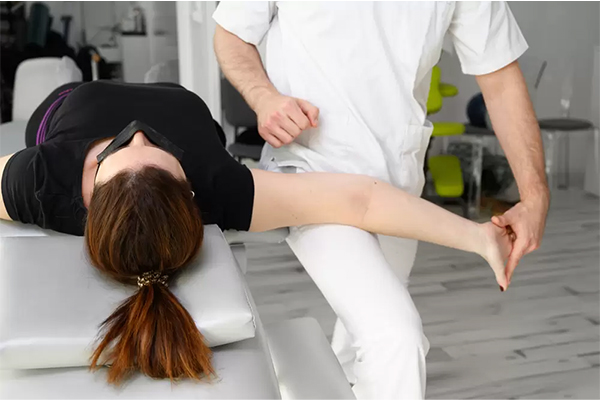
About Physical Therapy and Rehabilitation
What is Physical Therapy?
Physical therapy is a scientific treatment approach that includes methods such as exercise, manual therapy, and electrotherapy used in the treatment of congenital or acquired musculoskeletal disorders, pain management, movement limitations, posture disorders, and neurological problems.
Serving its patients with a modern healthcare approach, Magnet Group provides outpatient physical therapy and inpatient physical therapy services for the treatment of various health problems with advanced and modern equipment in its Physical Therapy and Rehabilitation department .
Our goal in our Physical Therapy and Rehabilitation unit is to help patients overcome the painful process and resume their daily lives comfortably. We also provide patients with various physical therapy exercises to prevent the condition from becoming chronic.
Magnet Hospital Physical Therapy Department
- Individual evaluation by a physical therapist,
- Safe treatment with modern devices and scientific techniques,
- Personalized exercise and rehabilitation programs,
- Transported physical therapy, outpatient and inpatient physical therapy services
- It aims to provide a patient-focused and comfortable treatment environment and to achieve successful treatment with special treatment techniques applied by the Physiotherapist.
The Physical Therapy Center is a unit that treats a wide range of musculoskeletal disorders, injuries, pain, and functional disorders. Magnet Hospital's Physical Therapy and Rehabilitation Department offers scientific physical therapy methods and a wide variety of techniques in a comfortable environment , helping our patients regain their health.
Benefits of Physical Therapy
- Pain Reduction
- Increased Mobility
- Muscle Strengthening and Endurance
- Joint treatment and improvement of joint functions
- Accelerating the Rehabilitation and Recovery Process
- Posture Correction
- Management of Neurological Diseases
- Treatment and Prevention of Sports Injuries
- Cardiovascular Health
- Obesity Management
- Reducing the Risk of Falls
- Improving Quality of Life
- Maintaining Musculoskeletal System Health

For Which Diseases Is Physical Therapy Performed?
Treatment of Back and Neck Pain
- Herniated disc, lumbar stiffness
- Cervical disc herniation
- Muscle spasms
Back and Shoulder Pain Treatment
- Joint calcification)
- Frozen shoulder, shoulder dislocations and injuries
- Shoulder impingement syndrome
Treatment of Joint and Muscle Diseases
- Joint inflammation , fluid accumulation in the joint
- Tendonitis (muscle-tendon inflammation)
- Tennis elbow , golfer's elbow
- Heel spur , wrist nerve compression ( carpal tunnel syndrome)
- Treatment of Knee Problems
- Meniscus tear , Anterior cruciate ligament injury (ACL)
- Knee cartilage damage and arthritis
- Knee dislocation and kneecap (patella) problems
- Knee arthritis
- Treatment of Spinal Problems
- Curvature of the spine , humpback in the spine
- waist bending
- Spinal displacement, spinal canal narrowing
- Postural disorders
- Muscle and Soft Tissue Treatment
- Muscle tears and strains
- Ligament injuries, tendon ruptures and inflammations
- Fibromyalgia and myofascial pain
- Sports Injury Treatment
- Leg, knee, shoulder injuries
- Tendon inflammation, muscle and ligament injuries
- Injuries resulting from impact, sprain and stretching
- Treatment of Nerve Entrapment and Neuropathic Pain
- Sciatica (sciatic nerve compression)
- Carpal tunnel syndrome
- Nerve compression
- Postoperative Rehabilitation
- Getting up and gaining mobility after surgery
- Rehabilitation after joint prosthesis
- Treatment of Neurological Problems, Dizziness and Balance Problems
- Treatment of dizziness, loss of balance, risk of falling
- Diseases such as MS (Multiple Sclerosis) and Parkinson's disease etc.
- Paralysis and Post-Stroke Rehabilitation
The Most Common Physical Therapies
Herniated Disc Physical Therapy
Physical therapy and exercise practices, which are non-surgical solutions for herniated discs , are applied to remove the pressure on the nerves, reduce pain, and strengthen the muscles around the spine, and they yield very successful results.
Physical Therapy Methods Applied for Herniated Disc: Electrotherapy (TENS / EMS), Ultrasound and Deep Heat Applications, Manual Therapy, Exercise Therapy, Traction (Mechanical Stretching), Kinesio Taping, acupuncture, dry needle therapy, massage.
Cervical Disc Herniation Physical Therapy
A cervical disc herniation occurs when the discs between the vertebrae in the neck bulge outward, putting pressure on the spinal cord or nerve roots. This can cause a variety of discomforts, including neck pain and numbness in the arms .
How is Physical Therapy Performed for a Cervical Disc Herniation?: Neck physical therapy is performed to reduce nerve pressure, control pain, and strengthen neck muscles. Electrotherapy (TENS, EMS), ultrasound, and deep heat applications, manual therapy and mobilization, traction ( neck traction therapy), neck exercises , and kinesio taping are used to restore neck function.
Knee Physical Therapy: Knee joint diseases can present symptoms such as tenderness, swelling , knee pain , difficulty climbing stairs, knee locking, limited movement, a feeling of looseness in the knee , and increased pain after exercise or walking. These can make daily activities like walking, climbing stairs, and squatting difficult. Physical therapy for the knee area aims to reduce pain, strengthen the muscles supporting the knee, and restore functional movement. A knee pain physical therapy program utilizes methods such as electrotherapy ( TENS , EMS), ultrasound therapy, cold and heat applications, manual therapy , strengthening and stretching exercises, balance exercises, massage, and kinesio taping.
Physical Therapy for Back Pain: These pains are often caused by poor posture, herniated discs, muscle weakness, or spinal problems. Physical therapy reduces pain, strengthens muscles, corrects spinal alignment, and provides relief from daily activities.
Physical Therapy for Postural Disorder: Postural disorder is the deviation of the spine and skeletal system from their normal alignment, disrupting the body's balance. This often results in a forward head and shoulders posture, resulting in a stooped posture . This can lead to health problems such as neck, back, and lower back pain , respiratory problems, and fatigue. Physical therapy for postural disorder strengthens the muscles surrounding the spine, back, waist, neck, and abdomen, improving flexibility and muscle balance.
Shoulder Disorders and Frozen Shoulder Physical Therapy: Shoulder joint problems limit mobility, reduce activity, and make daily life difficult. Shoulder mobilization exercises, manual therapy , heat application, stretching exercises, and electrotherapy methods increase shoulder range of motion, reduce pain and stiffness, and restore functional movement.
Heel Spur Physical Therapy: A heel spur develops as a result of strain on the connective tissue at the bottom of the foot, which connects the heel bone to the toes. Over time, calcification develops in this area, creating a bony prominence (spur). Symptoms include severe heel pain with the first step in the morning, stiffness and tension in the sole of the foot, and tenderness and swelling in the heel .
Heel Spur Breaking: Shock wave therapy, ESWT (Extracorporeal Shock Wave Therapy ), is a physical therapy method that targets the calcification that causes the heel spur, breaks it down (breaks it) and promotes tissue regeneration. It is usually applied 1-2 sessions per week, 3-6 sessions in total, and each session lasts 15-20 minutes.
Sciatica: The sciatic nerve is the longest nerve in the body, originating in the low back, passing through the buttocks and legs, and extending down to the toes. Pressure on this nerve can manifest as pain, numbness, tingling, and weakness in the legs . Sciatic nerve compression usually develops as a result of a herniated disc, spinal stenosis, muscle spasms, or trauma. Physical therapy for the sciatic nerve is used to relieve pain, accelerate healing, and minimize functional loss by strengthening the muscles surrounding the nerve and reducing pressure on it.
Carpal Tunnel Syndrome (Wrist) Physical Therapy: Carpal Tunnel Syndrome develops as a result of nerve compression within the carpal tunnel in the wrist . Constant computer use, typing, and strenuous manual tasks put pressure on the nerve, causing symptoms such as numbness , tingling, pain, and weakness in the hand . Wrist physical therapy is used to manage pain, strengthen muscles, and restore mobility.
Tendinitis and Physical Therapy: Tendinitis is inflammation of the tendons (the structures that connect muscles to bones). Tendinitis can develop as a result of overuse, aging, trauma, or muscle imbalances. It typically occurs in the shoulder, elbow, wrist, or knee. The basis of physical therapy for tendonitis is to strengthen the affected tendon and muscle groups, increase joint mobility, and reduce the load on the tendon.
Muscle Tears and Physical Therapy: Muscle tears occur when muscle fibers are damaged or torn. Tears resulting from sudden movements, excessive strain, or trauma can take time to heal, and physical therapy plays a crucial role in this process. Specialized physical therapy is sometimes used to heal and strengthen the muscle, building strength and allowing it to return to normal.
Physical Therapy After Prosthesis Surgery: Hip replacement , knee replacement , and shoulder replacement surgeries are the most commonly performed procedures to repair joint loss or damage . Physical therapy after prosthesis surgery accelerates recovery and restores mobility. Physical therapy also helps prevent complications after prosthesis surgery . Physical therapy after hip, knee, and shoulder replacements extends the life of the prosthesis .
Fibromyalgia Physical Therapy: Fibromyalgia is a disorder characterized by symptoms such as widespread musculoskeletal pain in many parts of the body, fatigue, sleep disturbances, and difficulty concentrating. It is more common in women. Therapeutic methods and exercises for fibromyalgia pain and its treatment help patients reduce pain and improve mobility.
Postural Physical Therapy : Poor posture can occur due to factors such as prolonged desk work, poor sitting postures, ergonomic errors in computer and phone use, and weak back and abdominal muscles. Over time, poor posture can lead to back, neck, and lower back pain, slumped shoulders, a hunchback (kyphosis), or a curvature of the spine (scoliosis). Physical therapy is a highly effective method for correcting posture . During the treatment process , personalized exercise programs are designed to activate the back, waist, and abdominal muscles and increase flexibility. Muscle imbalances are corrected through methods such as manual therapy, electrotherapy, kinesio taping, and exercise training, and the body achieves ideal posture.
Physical Therapy for MS: Physical therapy reduces symptoms such as weakness, fatigue, balance problems, and muscle spasms experienced by MS patients. MS can present with different symptoms for each patient, so a physical therapy plan should be personalized.
Physical Therapy in Parkinson's Disease: Physical therapy in Parkinson's disease is useful for patients to coordinate their movements, maintain balance, reduce muscle stiffness , enable them to perform daily activities comfortably, and improve their quality of life.
Walking Physical Therapy : Gait training is used to help individuals regain walking ability after paralysis, stroke, trauma, orthopedic surgery, nerve injuries, or congenital musculoskeletal disorders. Walking programs are also designed to help individuals with age-related muscle weakness and balance problems regain independent walking. A personalized rehabilitation plan is developed during the physical therapy process. Modern techniques such as parallel bars, walkers, canes, balance and coordination exercises, and electrical stimulation are also utilized.
Foot Physical Therapy: Common foot problems include flat feet, heel spurs, Achilles tendonitis, plantar fasciitis, nerve compression, sprains, fractures, and diabetic foot . During physical therapy, the patient's foot structure, gait (foot-strike analysis ), and complaints are evaluated, and methods such as exercise programs , manual therapy , ultrasound , electrotherapy , cold and heat applications , and the use of orthotics (insoles) are implemented. Information is also provided on appropriate shoe selection and key points to consider in daily life.
What is Manual Therapy?
As a SGK-affiliated physical therapy center , our hospital offers quality and accessible treatment services in Ankara and provides professional physical therapy support to all our patients at affordable prices.
If you are looking for a nearby physical therapy center and hospital for physical therapy examination in Ankara , Magnet Hospital is located in Anadolu Square Tandoğan, which is very easy to reach.
For information about Private Ankara Magnet Hospital physical therapy prices and to make an appointment for physical therapy, please call 0312 212 80 80 .
Physical Therapy Sessions
Physical therapy sessions are planned individually based on the patient's health status, treatment needs, and goals.
Number of Physical Therapy Sessions
The physical therapist determines the number of sessions required after examining the patient. Effective treatment typically requires 10-20 sessions. However, if the patient responds positively, the number of sessions may be reduced. For some patients, treatment may last six weeks or longer.
Duration of Physical Therapy Sessions
Although the duration of the sessions varies depending on the patient's treatment needs and session content, a session usually lasts between 30 and 60 minutes.
Ankara Magnet Hospital's Physical Medicine and Rehabilitation unit provides services to maximize the health of patients by planning the diagnosis and treatment of musculoskeletal diseases and implementing comprehensive rehabilitation programs to maximize people's functional capacity and daily activities and improve their quality of life.
What Complaints Should Be Reported to the Private Hospital Physical Therapy Department?
Early diagnosis directly impacts the success of treatment. Individuals seeking timely treatment for certain signs and symptoms can prevent disease progression by consulting a physical therapist. Low back, neck, and back pain, poor posture in desk workers, muscle spasms, herniated discs and cervical discs, pain in joints such as the knee, hip, and shoulder, arthritis, and meniscus are among the significant causes requiring physical therapy . This department should also be consulted for nerve compression, sciatica, carpal tunnel syndrome, muscle weakness , and limited mobility. Patients who have had a stroke or orthopedic surgery often require physical therapy to regain mobility. Conditions such as sports injuries, fibromyalgia, scoliosis, balance, and gait disorders are also frequently used in physical therapy. Additionally, childhood conditions such as cerebral palsy and conditions such as lymphedema that develop after cancer treatment should also be consulted in the physical therapy department.
Social Security Institution Contracted Physical Therapy Center
As a SGK-affiliated physical therapy center , our hospital offers quality and accessible treatment services in Ankara and provides professional physical therapy support to all our patients at affordable prices.
If you are looking for a nearby physical therapy center and hospital for physical therapy examination in Ankara , Magnet Hospital is located in Anadolu Square Tandoğan, which is very easy to reach.
For information about Private Ankara Magnet Hospital physical therapy prices and to make an appointment for physical therapy, please call 0312 212 80 80 .
Click here for online appointment .
February 2025