
Bone Scanning – Bone Measurement – Bone Mineral Densitometry
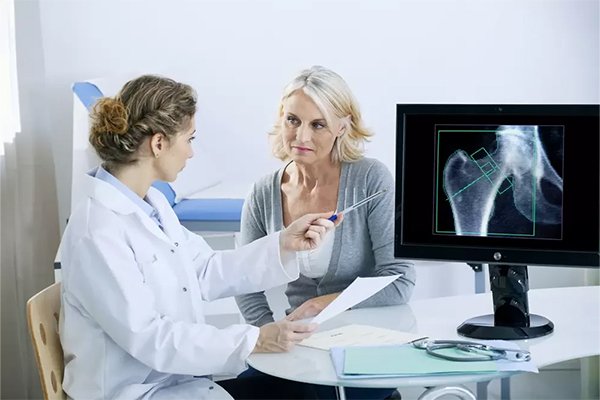
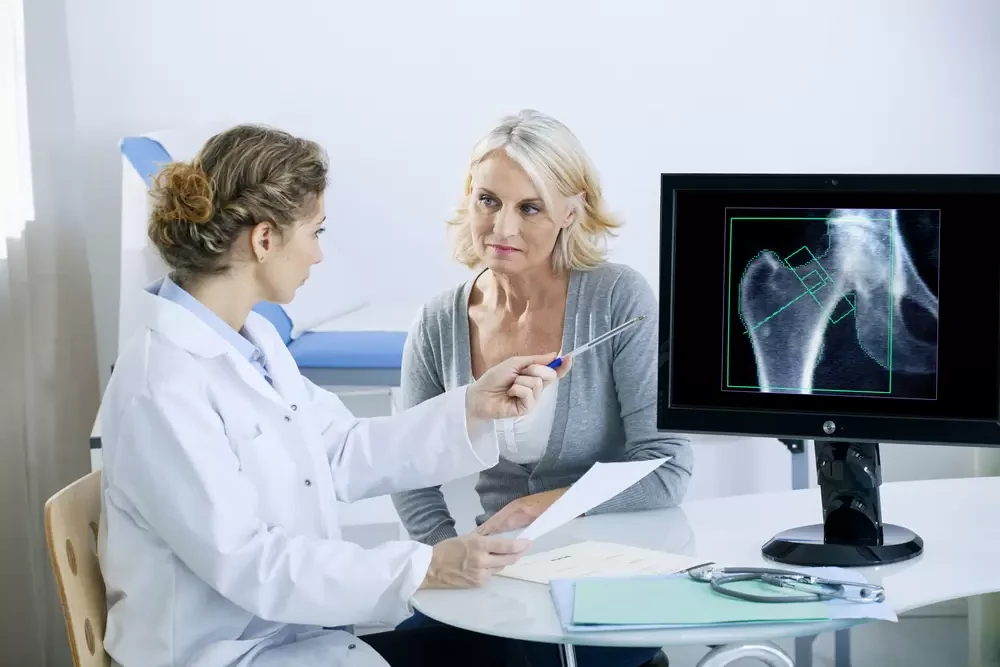
Bone health is crucial for overall quality of life and mobility. Weakening or mineral loss of bones over time can be a sign of osteoporosis and similar conditions. This is where bone assessment comes into play.
Our bones not only shape our bodies; they also protect our organs, enable mobility, and support the production of blood cells. A bone scan is a critical issue that directly impacts quality of life. Strong bones are the foundation of a healthy aging and an active life. Bone health is the state of having strong, flexible bones with adequate mineral density. This means a lower risk of osteoporosis and fractures, and proper bone metabolism.
What is Bone Measurement (Bone Densitometry)?
A bone scan is medically known as "bone mineral densitometry" or " DEXA test ." This test measures bone mineral density to determine bone strength. Areas such as the waist, hips, and spine are examined first because these areas are most prone to osteoporosis and fractures.
How to Take Bone Measurements?
Bone scans are also commonly known as " bone scans" or " osteoporosis tests ." Many people wonder whether bone scans are easy or difficult . This procedure is painless, quick, comfortable, and carries a very low radiation risk.
- An appointment is made at the hospital or imaging center.
- No special preparation is required in terms of clothing (in some cases, metal accessories are removed).
- Lie down on a device.
- The device scans the waist, hips, and sometimes the spine area.
- The process takes approximately 10-15 minutes.
Why is Bone Measurement Performed?
- A bone density test may be performed for many different health reasons.
- Diagnosis of Osteoporosis: Osteoporosis , which occurs when bones become thin and brittle , can be detected at an early stage with a bone densitometer.
- Determining Fracture Risk: It is possible to predict the risk of bone fractures after falling in individuals over the age of 50.
- Postmenopausal Bone Changes: Declining estrogen levels after menopause can accelerate bone loss. Densitometry is crucial during this period.
- Long-Term Cortisone Use: Long-term use of steroid medications can negatively affect bone density.
- Monitoring of Metabolic Bone Diseases: Used in the diagnosis and follow-up of disorders affecting bone metabolism, such as osteomalacia and Paget's disease.
Who Should Have a Bone Scan?
- Women over 50, men over 60
- Women experiencing early menopause
- Those with a family history of osteoporosis
- Individuals with high smoking and alcohol consumption
- Those with a low body mass index (thin individuals)
- Those who use regular medication due to chronic diseases
How to Prepare for Bone Scan (Measurement)?
Remove Metal Items: Your body's bone density is being measured during the test, so if you're carrying any metal items, you should remove them before the test. Metal objects such as jewelry, belts, necklaces, and watches can interfere with the test's accuracy.
Fasting: You do not need to be fasting for a bone scan . Fasting is not required; the test can be performed before or after a meal. Some hospitals may require a fasting state before the test, so it's best to consult with the hospital where you're making your appointment beforehand.
Medications: If you are taking medications that affect your bone health (e.g., cortisone, thyroid medications, calcium supplements), it is important to consult your doctor to see if these medications may affect the test results.
Report Pregnancy Status: If you are pregnant, a bone scan should not be performed because it uses low-dose radiation. If you are pregnant or suspected of being pregnant, you should inform your healthcare provider before the test.
Wear Comfortable Clothes: It is recommended that you wear comfortable clothes as an x-ray machine is used during the test.
Bring Previous Test Results: If you have had another bone density test before, it is helpful to bring your old results with you.
What to Do After a Bone Scan Test?
Show Your Results to Your Doctor: Be sure to show your test results to a specialist. These results will help your doctor understand your osteoporosis risk and the treatment you need.
Follow Your Doctor's Recommendations: If you have low bone density, it is important to change your lifestyle (get more calcium and vitamin D, exercise) and start treatment if necessary.
What are the symptoms of osteoporosis and osteoporosis?
Our bones can lose mineral density over time, making them weak and brittle. Diseases like osteoporosis can progress without symptoms for long periods. The following symptoms can help you identify bone weakness .
- Frequent Bone Fractures: If you experience bone fractures even from simple falls or minor impacts, this indicates that your bones are no longer strong.
- Shortening in Height: As the bones in the spine weaken, compression fractures may occur, causing shortening in height over time.
- Humpback and Postural Deformity: Deterioration of the spinal bones can cause the back to become hunched or have a crooked posture.
- Back, Waist, or Hip Pain: When bone density decreases, pressure increases around the spine and hips. This can cause pain. Unexplained and persistent back or waist pain should be carefully evaluated.
- Weakness and Muscle Weakness: Although bone weakness does not directly affect the muscles, a decrease in muscle strength may occur along with decreased mobility.
- Brittle Nails and Teeth: When bone health declines, calcium deficiency can also affect nails and teeth. Brittle nails and sensitive teeth may be signs of this.
- Loss of Balance and Frequent Falls: Bone weakness can also affect posture (body position) and balance, increasing the risk of falls.
Bone weakness is a silent but serious threat. Symptoms may start out mild, but over time, they can significantly impact your quality of life. If you experience any of the following signs, it's crucial to consult a doctor and have the necessary tests performed.
- Women over 50 (post-menopausal)
- Those who use steroid medications such as cortisone for a long time
- Those with vitamin D and calcium deficiency
- Those with a family history of osteoporosis
- Individuals with a sedentary lifestyle
- Smokers and alcohol users
Can Osteoporosis Be Prevented?
- A balanced diet containing calcium and vitamin D,
- Exercises such as regular walking, pilates, weight training,
- Quitting smoking and alcohol,
- Getting natural vitamin D from sunlight,
- Using supplements with a doctor's recommendation can prevent osteoporosis.
What Does a Bone Scan and Measurement Test Measure?
The bone density test measures the mineral density in areas prone to bone fractures, such as the spine, hip, and wrist , and reveals the following parameters:
- BMD (Bone Mineral Density)
- T-score : Comparison result with young healthy individuals
- Z-score : Comparison result with individuals of the same age and gender
How to Interpret Bone Measurement Results?
T-Score: Comparison is made with young healthy individuals.
- -1.0 and above: Normal
- Between -1.0 and -2.5: Osteopenia (low bone density)
- -2.5 and below: Osteoporosis (bone loss)
Z-Score: A comparison is made with individuals of the same age and gender. It is used for evaluation in young patients.
How Often Should a Bone Scan Be Done?
A bone scan isn't a one-time procedure. A bone scan varies depending on a person's age, health status, and risk factors. The initial bone scan results provide a reference value. It should be repeated regularly, depending on age, health history, and risk factors. This allows for early detection of osteoporosis, prevents fractures, and maintains quality of life. Subsequent measurements reveal changes in this value and whether the risk is increasing. In individuals undergoing treatment, measurements can also reveal whether the medication is working.
Experts recommend having bone measurements performed every two years . This interval may be shorter or longer depending on the individual.
Who Should Have a Bone Scan and How Often?
Postmenopausal Women
- The first bone measurement should be made after menopause .
- If the result is normal, it can be repeated every 2-3 years.
- If osteoporosis is present or the risk is high, it can be done every year .
Women over 65 / Men over 70
- Bone measurement must be done.
- If the initial result is good, follow-up is required every 2 years; if the result is low, follow-up is required every year.
Those Using Cortisone or Thyroid Medication
- These medications reduce bone density and annual checkups are recommended.
People with Fractures
- If a bone is broken due to a simple fall, measurements must be taken.
- Depending on the results, it is repeated every 1-2 years.
Those with Low Bone Density
- If osteopenia or osteoporosis is diagnosed, measurements may be required every 1 year to monitor the response to treatment.
Bone Scanning and Its Health Importance
Bones are the supporting pillars of our bodies. Over time, bone structure can weaken due to age, diet, hormonal changes, or certain diseases. This is where bone measurement comes in. Bone health and regular bone scans are vital for healthy aging, maintaining mobility, and maintaining quality of life .
Why Is Bone Health So Important?
- Bones not only enable us to move, they are also a storehouse of calcium .
- Bone marrow, which supports the immune system, is found inside the bones.
- Strong bones mean fewer fractures, less pain and better quality of life.
- Osteoporosis can lead to hip fractures in the elderly, leading to serious disability and even death.
How Does Bone Measurement Connect to Our Health?
| BONE MEASUREMENT | IMPORTANCE FOR HEALTH |
| Determines bone density | Detects fracture risk in advance |
| Reveals silent diseases | Provides early diagnosis of insidious diseases such as osteoporosis |
| Guides treatment | Determines which medication or supplement is needed |
| Improves quality of life | Maintains mobility and supports independent living |
Recommendations for Bone Health
- Do not neglect your daily calcium and vitamin D intake.
- Get regular exercise (weight-bearing activities).
- Limiting smoking and alcohol consumption preserves bone density.
- Spend time outdoors to get natural vitamin D from sunlight.
- If you are in a risk group, have your bone scans done every 2 years .
Frequently Asked Questions
When Should a Bone Scan Be Performed?
A bone scan is generally recommended for women over 50, men over 70, postmenopausal women, and those at risk for low bone density. It may also be recommended at an earlier age for those taking corticosteroids or thyroid medication, and those with a family history of osteoporosis.
Do I need to make an appointment for a bone scan?
Yes, an appointment is required for a bone scan. You can choose a convenient date and time through the online appointment system or the hospital call center.
When Will I Get Results After My Bone Scan?
A bone scan takes 10-15 minutes. Results are available within 1-2 hours. Some hospitals provide results immediately, while others provide results within a day.
Is Preparation for a Bone Scan Test Necessary?
No special preparation is required for a bone scan. However, metal accessories (jewelry, belts, etc.) should be removed before the test. You also do not need to fast during the test.
Which areas are bone scans performed on?
The test is typically performed in the lower back, hip, and spine areas. These areas are at the highest risk of fractures and produce the best results.
What Do Bone Scan Results Mean?
Bone scan results measure your bone density and determine whether it's higher or lower than normal. If your bone density is low, you may be at risk for conditions such as osteopenia or osteoporosis. Your doctor will provide detailed information about your results and recommend any necessary treatment options.
What Should I Do After a Bone Scan?
After reviewing your test results with your doctor, you may be advised to follow a balanced diet, exercise regularly, and, if necessary, medication to improve your bone health. You may also be advised to take calcium and vitamin D supplements.
Do I Need to See a Doctor Before Getting a Bone Scan?
If you have risk factors such as menopause, age, family history of osteoporosis, medication use, etc., a doctor from internal medicine, orthopedics, physical therapy, or neurosurgery may recommend this test.
Should I Stop My Medication Before a Bone Scan?
You generally don't need to stop taking any medications for a bone scan. Some medications can affect bone density, and you should consult your doctor before having the test.
Does a Bone Scan Test Only Detect Osteoporosis?
A bone scan not only detects osteoporosis, but can also indicate whether bone density is high or normal. In some cases, it's also used to detect conditions that pose a risk of osteoporosis early.
Can a Bone Scan Be Performed at Any Age?
Bone scans are generally recommended for older adults, but younger individuals at risk can also be tested. For example, those with a family history of osteoporosis , a history of fractures , or those taking medications that affect bone health may benefit from screening at an earlier age.
In Which Situations Does Treatment Begin After a Bone Scan?
If a bone scan detects osteoporosis or low bone density, your doctor will develop an appropriate treatment plan for you. Treatment usually begins with diet, exercise, and, if necessary, medication.
Bone Scan (Measurement) Test Prices 2025
Bone scan prices may vary depending on the institution performing the scan and the technology used. Private hospitals with SGK (Social Security Institution) agreements may offer a more affordable differential fee. Bone scans (measurements) at private hospitals are preferred due to their short waiting times, rapid reporting, personalized evaluation, same-day treatment planning, and comfortable healthcare environment. Same-day bone scans and bone measurement tests are available at Magnet Hospital .
For information about bone scan test fees and to make an appointment at Magnet Hospital , please call the call center at 0 312 212 80 80. Click Here for Online Appointment.
April 2025