


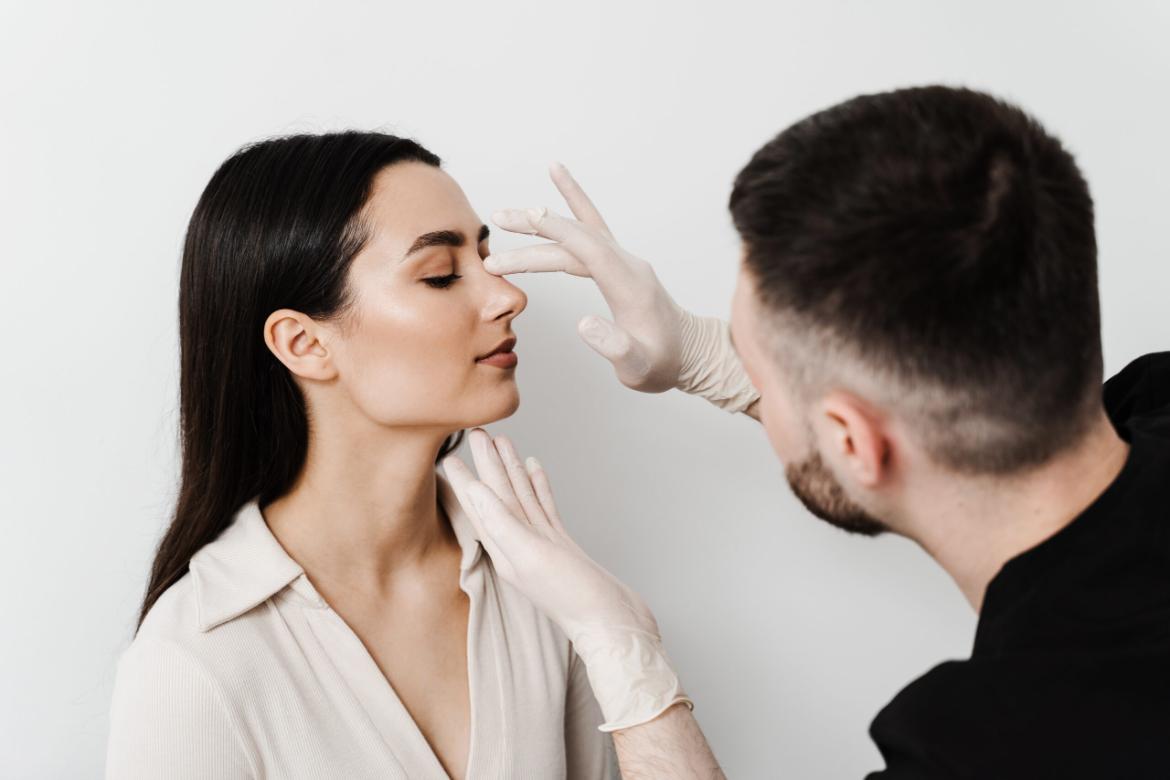
What is Septoplasty (Nose Deviation)?
Septoplasty is a surgical procedure that corrects the nasal septum. The septum is a structure composed of cartilage and bone that separates the nasal cavity on both sides. However, in some cases, the septum can be crooked or deviated, either congenitally or as a result of trauma.
In some cases, septoplasty can be performed in conjunction with rhinoplasty, aiming to both improve nasal function and achieve an aesthetically pleasing appearance.
In Which Patients Is Septoplasty (Nose Deviation) Applied?
Septoplasty can be performed to correct or alleviate the following conditions:
- Nasal congestion: Nasal congestion caused by a deviated septum makes breathing difficult. This can lead to sleep problems such as snoring, sleep apnea, and adenoid hyperplasia. Septoplasty aims to relieve nasal congestion by improving airflow through the nose.
- Sinusitis: A deviated septum can affect sinus drainage and increase the risk of sinusitis (sinus infection). Symptoms of sinusitis include facial pain, headache, nasal congestion, runny nose, cough, and fatigue. Septoplasty can reduce the discomfort of sinusitis by allowing the sinuses to drain properly.
- Snoring and sleep apnea: A deviated septum can contribute to snoring and sleep apnea. Snoring is the sound produced by narrowing or vibrations in the airway during sleep. Sleep apnea is characterized by repeated pauses in breathing during sleep. Septoplasty can reduce the severity of these sleep disorders by improving airflow through the nose.
- Post-traumatic deformities: A nasal fracture or other nasal trauma can cause a septum deformity. This can affect nasal function and lead to nasal congestion. Septoplasty aims to improve nasal function by correcting structures within the nose.
In addition to these conditions, other conditions requiring correction or revision of the nasal septum can also be treated with septoplasty. An otolaryngologist recommends septoplasty and determines appropriate treatment options based on the patient's symptoms and examination findings. Each patient's situation may vary, so it's important to have a thorough evaluation with your doctor.
How is Septoplasty Surgery (Curvature of the Nose Surgery) Performed?
Septoplasty is a surgical procedure typically performed by an ear, nose, and throat surgeon. The procedure is usually performed in a hospital and performed under general anesthesia. The following steps are generally followed during the procedure:
- Preparation : Before administering general anesthesia, the patient is prepared for the procedure. The patient's vital signs are monitored, and the anesthesiologist administers the anesthesia.
- Access: Before beginning the septoplasty, access to the nose is gained. This is usually achieved through incisions made through the nostrils or inside the nose.
- Septum correction: A surgeon reshapes or removes cartilage and bone tissue to straighten parts of the nasal septum that are crooked or bowed. This can be done using cutting, incision, or trimming techniques.
- Bracing: During the procedure, padding or stitches are sometimes used to support the corrected portions of the septum. Bracing materials are used to ensure the septum stays properly in place.
- Bleeding control: Any bleeding that may occur during the procedure is controlled. The surgeon stops the bleeding inside the nose by addressing the bleeding points.
- Completion: Once the septoplasty procedure is complete, the incisions inside the nose can be closed with stitches and support materials are placed.
- Recovery: After septoplasty, the patient may need to be monitored for a period of time. Some discomfort, such as nasal plugs, swelling, and nosebleeds, may be experienced after the procedure. Your doctor will provide you with postoperative care instructions. The recovery process varies depending on the individual's condition, and full recovery may take several weeks.
Septoplasty is planned individually for each patient, and techniques may vary depending on the surgeon's preference. Prior to the procedure, your surgeon will provide you with detailed information about the procedure and answer any questions you may have.
What are the advantages of septoplasty surgery?
Septoplasty surgery has many advantages. Here are some of the key advantages:
- Relieving nasal congestion: A deviated septum can lead to nasal congestion and breathing problems. Septoplasty surgery aims to relieve nasal congestion by straightening the septum and improving airflow through the nose, allowing you to breathe better.
- Reducing snoring and sleep apnea: A deviated septum can contribute to snoring and sleep apnea. Septoplasty surgery can reduce the severity of snoring and sleep apnea by improving airflow through the nose. It can also help you achieve better sleep quality.
- Reducing the risk of sinusitis: A deviated septum can affect sinus drainage and increase the risk of sinusitis (sinus infection). Septoplasty surgery can reduce the discomfort of sinusitis by allowing the sinuses to drain properly. It may also reduce the frequency and severity of sinusitis attacks.
- Correction of Rhinoplasty: Septoplasty surgery can improve the aesthetics of the nose by correcting the structures within the nose. It can correct nasal deformities caused by a deviated septum, giving the nose a more symmetrical and balanced appearance.
- A minimally invasive procedure: Septoplasty is a procedure performed through incisions inside the nose. Therefore, it is less invasive than open rhinoplasty. Because it involves smaller incisions and less tissue damage, recovery can be quicker.
- Long-term results: Septoplasty surgery aims to permanently correct the septum. With good surgical technique and a proper recovery period, postoperative results are expected to be long-lasting. This can lead to lasting relief and improved nasal function.
What is Endoscopic Septoplasty?
Endoscopy septoplasty is a technique that uses an endoscopic (minimally invasive) approach to perform a septum correction. This technique is a surgical procedure used to correct the nasal septum. Compared to traditional septoplasty, endoscopic septoplasty may result in less tissue damage, a faster recovery, and a lower risk of complications.
What is Revision Septoplasty?
Revision septoplasty is a surgical procedure performed to correct septum problems that have developed or persisted after a previous septoplasty. This procedure is recommended for patients who are unhappy with the results of their initial septoplasty or who continue to experience symptoms.
Revision septoplasty is often considered in the following situations:
- Persistent symptoms after the initial surgery: If nasal congestion, snoring, sleep apnea, or other symptoms persist after the initial septoplasty, a revision septoplasty may be considered. Revision may be necessary in cases where the initial surgery may have provided inadequate correction or a new deformity may have developed.
- Recurrence of septal deviation or deformity: Revision septoplasty may be necessary if the septum corrected during the initial surgery develops a recurrence of a deviated septum or if a new deformity develops. These situations can occur if the septum is not completely corrected or if it becomes deviated again during the healing process.
- Poor healing: Revision septoplasty may be necessary in cases where the tissue or cartilage inside the nose has not healed sufficiently after the initial surgery, or if scar tissue or scar tissue that forms during the healing process causes problems.
What is Open Septoplasty?
Open septoplasty is a surgical procedure used to correct the nasal septum. This procedure is performed not through incisions inside the nostrils, but through an incision made in the area where the cartilage and bones between the nostrils meet. This incision is located above the tissue beneath the tip of the nose, called the columella.
What Should Be Considered After Septoplasty Surgery?
After septoplasty surgery, there are certain points to consider to speed up the healing process and prevent complications. Things to keep in mind after septoplasty surgery:
- Rest: It's important to rest and get enough sleep after surgery. Resting for the first few days helps your body heal. You should avoid strenuous physical activity and follow your doctor's instructions.
- Medication: You should take painkillers and antibiotics regularly, as prescribed by your doctor. If you experience pain or discomfort, you should consult your doctor.
- Nasal cleaning: After surgery, crusting, swelling, and discharge may occur inside the nose. You should keep the inside of the nose moist by regularly using the nasal sprays and solutions recommended by your doctor. Nasal lavage (nasal wash) may also be helpful for nasal cleansing.
- Nasal congestion: Some nasal congestion is normal after surgery. However, if you experience severe or persistent nasal congestion or difficulty breathing, you should consult your doctor.
- Bleeding control: Slight bleeding or nasal discharge is normal after surgery. However, if you experience severe or persistent bleeding, you should notify your doctor. To control bleeding, you can apply pressure by tilting your head slightly forward and pinching your nostrils for a few minutes.
- Healing Process : Healing time may vary from person to person, but it typically takes a few weeks. Swelling and bruising inside the nose will subside over time. You should follow your doctor's instructions and visit them regularly throughout the healing process.
- Nutrition: A light diet may be recommended after surgery. You should avoid hot, spicy, and excessively salty foods. It's important to drink plenty of fluids and maintain a healthy diet.
- Smoking and alcohol: Smoking and drinking alcohol can negatively affect the healing process.
Recovery Time After Septoplasty Surgery
Recovery time after septoplasty surgery can vary depending on individual patient factors, the complexity of the surgery, and other factors that may affect the healing process. However, in general, the recovery process after septoplasty surgery consists of the following stages:
- Immediate Aftercare: The first few hours after surgery are spent under observation in the hospital. During this time, the effects of anesthesia wear off, bleeding is controlled, and initial painkillers and antibiotics are administered. Nasal dressings or tampons may be placed inside the nose.
- First Week: During the first week, you may experience swelling, bruising, and nasal congestion inside the nose. You may need to use nasal sprays and solutions as directed by your doctor. Post-operative checks will be performed, and dressings may be changed. Light physical activity may be permitted, but strenuous exercise and excessive exertion should be avoided.
- First Month: Healing generally continues during the first month. Swelling in the nose decreases and nasal congestion eases. Nasal irrigation (nasal wash) and nasal moisturizing are important during the recovery period. Follow-up appointments will continue, and it's important to follow your doctor's instructions.
- First Three Months: During the first three months, swelling and bruising inside the nose will significantly decrease. Nasal breathing will improve, and symptoms will generally improve. Post-operative checkups and follow-up will continue.
The full recovery time varies from patient to patient, but is generally completed within 6 to 12 weeks. In some patients, full recovery and complete resolution of symptoms may take slightly longer.
It's important to follow your doctor's instructions, schedule regular checkups, and take necessary precautions during your post-operative recovery. If you experience any problems or complications, you should consult your doctor.
Most Frequently Asked Questions
Can facial swelling and bruising occur after septoplasty surgery?
Yes, facial swelling and bruising may occur after septoplasty. These typically appear during the first few days after surgery and gradually subside. Swelling and bruising can vary depending on the invasiveness of the surgery, the patient's genetic predisposition, and postoperative factors.
Swelling can often occur around the nose and eyes. This is a normal response and is related to the tissue healing process. Your doctor may recommend methods such as cold compresses or head elevation to reduce swelling.
Bruises can be the result of bleeding during surgery or blood pooling under the skin from surgical manipulation. Bruises typically appear under the eyes and on the cheeks. These bruises fade and heal over time.
Swelling and bruising can vary from person to person. Some people experience minimal swelling and bruising, while others may experience more significant symptoms. Following your doctor's instructions after surgery, using cold compresses, maintaining head elevation, and following your doctor's recommended recovery measures can help alleviate swelling and bruising.
Can I breathe through my nose after septoplasty?
Yes, nasal breathing after septoplasty generally improves as recovery progresses. Septoplasty aims to correct the cartilage and bone structure within the nose, reducing or eliminating nasal congestion and breathing difficulties.
When are silicone tampons removed after septoplasty surgery?
Silicone tampons are used after septoplasty to support the nasal cavity and control bleeding. These tampons are typically removed between 1 and 7 days after surgery. The timing of tampon removal depends on the complexity of the surgery, the surgeon's preference, and the patient's recovery.
What are the risks of septoplasty surgery?
- Bleeding: Bleeding may occur during or after surgery. This is usually mild or moderate and can be controlled. In rare cases, bleeding can be severe and may require intervention.
- Infection : As with any surgical procedure, there is a risk of infection after septoplasty. Signs of infection include fever, extreme redness, swelling, and pus formation. Infection can usually be controlled with antibiotic treatment.
- Anesthesia Complications: Septoplasty surgery performed under general anesthesia carries anesthesia-related risks. While rare, these can include anesthesia reactions, breathing problems, or other anesthesia-related complications.
- Tissue or Septal Perforation: In rare cases, complications such as tearing of nasal tissues or perforation of the septum can occur during or after septoplasty. These can lead to nasal congestion, nosebleeds, and changes in nasal shape, and may require additional surgery.
- Temporary or Permanent Breathing Problems: Septoplasty surgery usually relieves nasal congestion and improves breathing problems. However, in rare cases, temporary or permanent breathing problems can occur.
What is the difference between rhinoplasty and septoplasty?
Rhinoplasty and septoplasty are both surgical procedures related to the nose, but they serve different purposes. Here are the key differences between them:
- Rhinoplasty : Rhinoplasty is a surgical procedure performed to improve the shape and appearance of the nose for aesthetic purposes. Rhinoplasty can be performed to correct nasal aesthetics, change the size, shape, or proportions of the nose, or correct imperfections on the tip or bridge of the nose. Rhinoplasty surgery involves working on the nasal bones, cartilage, and soft tissues. During surgery, the shape, size, symmetry, and harmony of the nose with other facial features are all considered.
- Septoplasty: Septoplasty is a surgical procedure that aims to correct the cartilage and bone inside the nose called the septum. The nasal septum is a structure that divides the nose into two equal nasal passages and provides support within the nose. Septoplasty is performed if there is a deviation or abnormality causing nasal congestion, difficulty breathing, snoring, or septal deformities. This surgery aims to straighten the septum and improve airflow within the nose.
So, while rhinoplasty aims to improve the shape of the nose for aesthetic purposes, septoplasty aims to correct nasal congestion and breathing problems. In some cases, rhinoplasty and septoplasty can be performed simultaneously, particularly when functional issues within the nose need to be corrected in addition to the shape. This is called septorhinoplasty.
Is septoplasty aesthetic?
Septoplasty is a surgical procedure primarily performed to correct nasal congestion and breathing problems. Therefore, septoplasty is generally considered a functional surgery and primarily focuses on correcting the nasal septum.
