


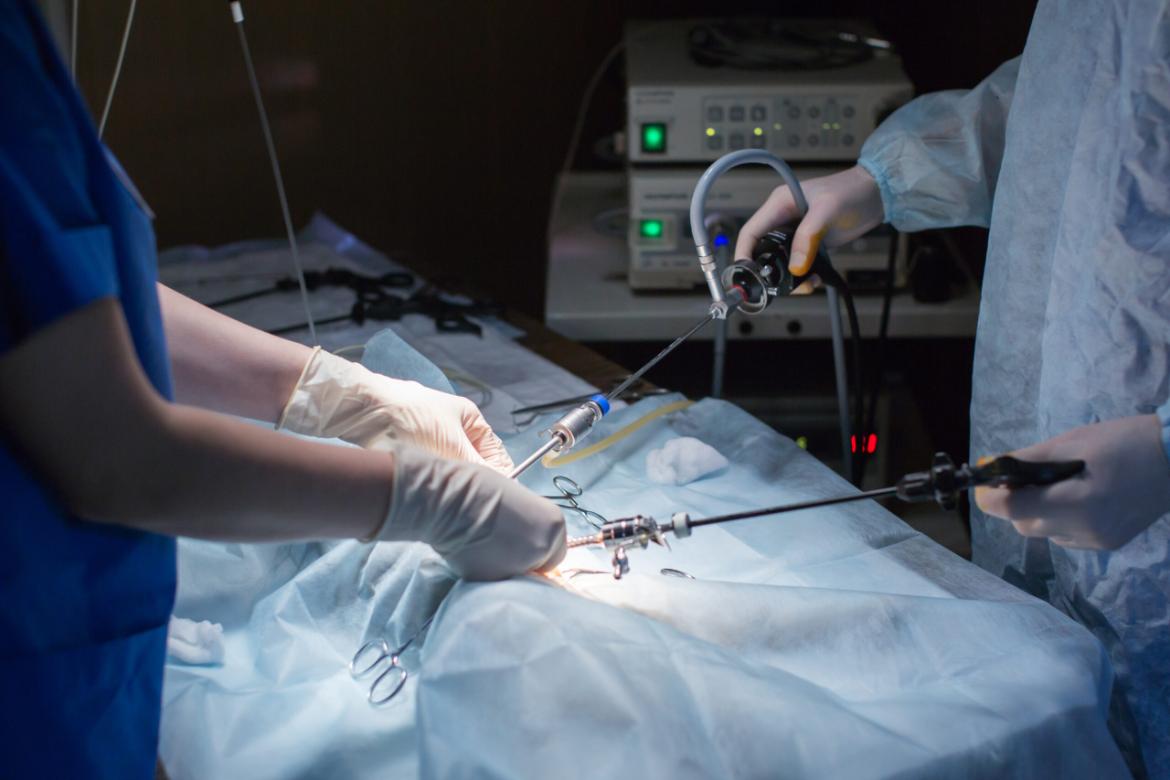
What is Laparoscopic Surgery?
What is laparoscopic surgery? For which conditions is it used, and how long does it take? What are its advantages? Laparoscopic surgery is a surgical method we use to help patients recover more quickly and experience less pain.
The surgical method we use to treat conditions in the abdominal region involves small incisions made in the skin. It takes its name from the laparoscope, a fiber-optic device with a light at its tip. When we open the abdomen, the laparoscope provides a clear view for the surgeon. Various surgical instruments are inserted through incisions made in different parts of the abdomen. We can monitor our movements on high-resolution monitors.
This surgical method, which we call closed surgery or bloodless surgery, allows us to easily diagnose many conditions. The incision size required for this surgical method varies between 0.5 and 1 cm. This results in less postoperative pain for patients. Furthermore, adhesions to organs and tissues are avoided.
We insert an optical device through incisions made in the abdomen. This allows the surgeon to easily monitor the procedure on a monitor. When we need to operate on different areas, we make two or three separate incisions. We insert trocar tubes into these areas and insert auxiliary instruments into these tubes. This allows the surgeon to perform the operation efficiently.
As with open surgery, we provide a wider field of view and minimize postoperative complications due to the small incisions. Furthermore, the smaller the incisions, the more aesthetically pleasing they are. These incisions are small, so they don't cause discomfort to the patient. In conventional surgeries, the larger the incisions, the greater the postoperative pain. Large incisions can cause more discomfort and are less aesthetically pleasing.
Why Do We Perform Laparoscopic Surgery?
Laparoscopic surgery can easily treat many conditions. Gallbladder surgery is one of the most common procedures performed with this surgical method. Cyst surgery, appendectomy (removal of the appendix), fibroid removal, and hysterectomy (removal of the uterus) are also surgical procedures.
Surgeons use laparoscopic surgery for health problems related to internal organs, as well as in areas such as gynecology, gastroenterology, and urology. In addition, we use laparoscopic surgery for the treatment and diagnosis of some conditions:
- Causes of abdominal and groin pain
- In the diagnosis of pelvic inflammatory diseases
- Diagnosis of ovarian cysts
- Diagnosis of extremely painful menstrual bleeding
- Diagnosis of ectopic pregnancy
- Investigating the causes of infertility
- In the treatment of diseases such as appendicitis
- In the diagnosis of tumors in the abdominal region
- Gallbladder removal
- Stomach ulcer treatment
- Treatment of hernias in the abdominal and groin areas
- It helps in removing organs such as prostate , liver, colon and bladder.
How is Laparoscopic Surgery Performed?
In laparoscopic surgery, as with other procedures, the patient is sedated with general anesthesia. The procedure begins with an incision in the lower abdomen. Carbon dioxide gas is injected so the surgeon can visualize the area on a monitor. The odorless and colorless carbon dioxide gas, administered through a Veress needle, causes the abdomen to inflate. This expands the abdominal cavity, creating a more accessible area for easier intervention.
Following the surgery, carbon dioxide is absorbed and excreted by the body. We then remove the Veress needle from the abdomen and insert the trocar tube. We provide visualization on a monitor using a laparoscope inserted through the trocar tube.
We make two or three more incisions, each 0.5 to 1 cm in diameter, in the area to be operated on. We insert trocar tubes into these tubes. We insert the specialized instruments used in laparoscopic surgery into the area.
After the surgical procedure is complete, we remove all instruments and tubes from the abdomen. We evacuate the carbon dioxide gas and suture the incisions. This completes the operation. We use the same diagnostic techniques. In some cases, optical imagers are inserted, while in others, we prefer to use laparoscopic instruments.
How Long Does Laparoscopic Surgery Take?
Diagnostic surgical procedures typically take half an hour. However, in some patients, general anesthesia is required, requiring up to 45 minutes. The duration of therapeutic laparoscopic procedures varies depending on the type of procedure. The patient is discharged the same day after the procedure.
Recovery is faster than with open surgery. Returning to daily routines varies depending on the procedure performed. After diagnostic procedures, patients can return to their normal routine after at least five days.
Laparoscopic surgery offers many advantages. First and foremost, the small incisions make recovery easier for patients. Internal abdominal adhesions are also less common than with open surgery. Post-operative pain is also less severe and typically subsides quickly. With this surgical procedure, painkillers are used during the recovery period.
Laparoscopic surgery is performed immediately after the procedure, and patients can return to their normal routine immediately, without any incisional issues. The scars gradually diminish to a point where they are practically invisible, resulting in a more aesthetically pleasing appearance. The risk of complications such as hernias following these surgical procedures is quite low. Compared to other surgeries, laparoscopic procedures are associated with less bleeding and fewer infections. This reduces the risk of infection.
Recovery Process After Laparoscopic Surgery
After the surgical procedure, we monitor the patient. Once the patient regains consciousness, we transfer them to a regular room. The anesthesia administered lasts for a while. Therefore, the patient may experience various side effects related to the anesthesia. Nausea and mild pain at the incision site may occur.
The time it takes for a patient to recover varies depending on the type of surgery performed. Patients are generally awake within 3-4 hours. They may prefer light meals. During the surgery, the patient may experience some pain in their shoulder due to the carbon dioxide gas we administer. This pain can last for 24 hours. Depending on the type of surgery, we typically discharge the patient the same or the following day.
After the procedure, you will be directed to a recovery room where nurses will monitor you until you are awake and stable. You will be given pain medication as needed (depending on the patient, some patients will receive an epidural, while others will receive narcotics as needed).
Our expert staff will provide you with intravenous (IV) fluids to provide nutrition until your digestive tract has healed enough to accept solid foods. Eating or drinking immediately after surgery may cause nausea, vomiting, or other side effects. Our nurses will encourage you to sit up and move around as soon as possible after surgery. This has several benefits. It promotes blood flow (which aids healing and prevents blood clots) and promotes oxygen flow (to prevent pneumonia and aid in recovery).
Once you are approved to go home, you will be prescribed medication to manage pain, treat possible constipation, and prevent infections (antibiotics).
You can ask Magnet Hospital's expert team any questions you may have about laparoscopic surgery. You can also take advantage of our consulting services by contacting us through the contact tab.
How Many Incisions Are Made in Laparoscopic Surgery?
In this surgical procedure, we aim to see the abdomen more clearly than with the naked eye using a camera. The image appears 20 times larger and more detailed, facilitating diagnosis and treatment. The number of incisions and the width of the incisions vary depending on the type of surgery. Sometimes, a single incision can be used, with the incisions typically measuring between 0.5 and 1 cm. This allows for a faster recovery and a smoother return to daily life after surgery.
There is no age limit for these invasive surgeries. Because they are performed intra-abdominal, we can perform all surgeries using this method. Our operating room teams, especially our operating room teams, receive the necessary additional training. Our operating rooms are equipped with various instruments. We perform laparoscopic surgery in our hospital, equipped with specialist physicians and appropriate equipment.
Frequently Asked Questions
- Who can undergo laparoscopy surgery?
We perform a therapeutic surgical procedure after diagnosing various conditions developing in the abdomen. We use specialized instruments to gain access to the abdomen through a small incision in the anterior abdominal wall, allowing us to visualize the organs. This surgical procedure involves examining the tissues to remove damaged or diseased organs.
- What are the types of laparoscopic surgery?
Gallbladder surgery, appendectomy, cyst surgery, myomectomy, hysterosalpingectomy, tube ligation.
- How long does laparoscopy surgery take?
Diagnostic treatments are much shorter, typically lasting around half an hour. Therapeutic laparoscopies also require additional equipment, which makes the procedure longer. Discharge times may vary depending on the procedure.
- What are the risks of laparoscopy?
Compared to open surgery, there are no serious complications. However, as with any type of surgery, complications, whether mild or serious, can occur.
- What should be done after laparoscopic surgery?
You may experience pain in the area where the device is placed. Due to the gas released into the abdomen, you may experience pain and numbness in your shoulders. Therefore, a family member or friend should be with you after anesthesia. You may not be able to drive because you feel drowsy. It's also beneficial to be alone if you experience sudden bleeding or loss of consciousness.
