


What is Postprandial Blood Sugar? What Should Postprandial Blood Sugar Be?
Cells require energy to function. Humans obtain this energy from the food we consume. Carbohydrates and fats found in food are metabolized by cells and converted into glucose. This glucose level in the bloodstream is known as blood sugar. Amounts of glucose above the healthy range can be harmful to the body and organs. The body has developed its own regulatory mechanisms to protect itself from these harmful effects. When blood glucose levels rise, the pancreas secretes the hormone insulin.
Blood sugar levels rise after meals with food intake. This increase is called postprandial blood sugar. In healthy individuals, increased glucose levels allow cells to rapidly absorb the hormone insulin, lowering blood sugar levels to normal. In diabetes, however, this regulation is not achieved due to a lack or insufficiency of insulin.
What should postprandial blood sugar be like?
In a postprandial blood sugar test performed after a meal, the result should be below 140 mg/dL for people without diabetes. In people with diabetes, this value should be below 180 mg/dL. In general, a postprandial blood sugar level of up to 140 mg/dL is considered ideal in healthy individuals. A result between 140 and 200 mg/dL is considered prediabetes. However, results above 200 mg/dL are considered a significant indicator for the diagnosis of diabetes.
What should be the 1-hour postprandial blood sugar?
In a 1-hour postprandial blood sugar measurement, ideal values for healthy individuals should generally be between 70 and 140 mg/dL. Values within this range indicate a healthy individual.
When and how to measure postprandial blood sugar?
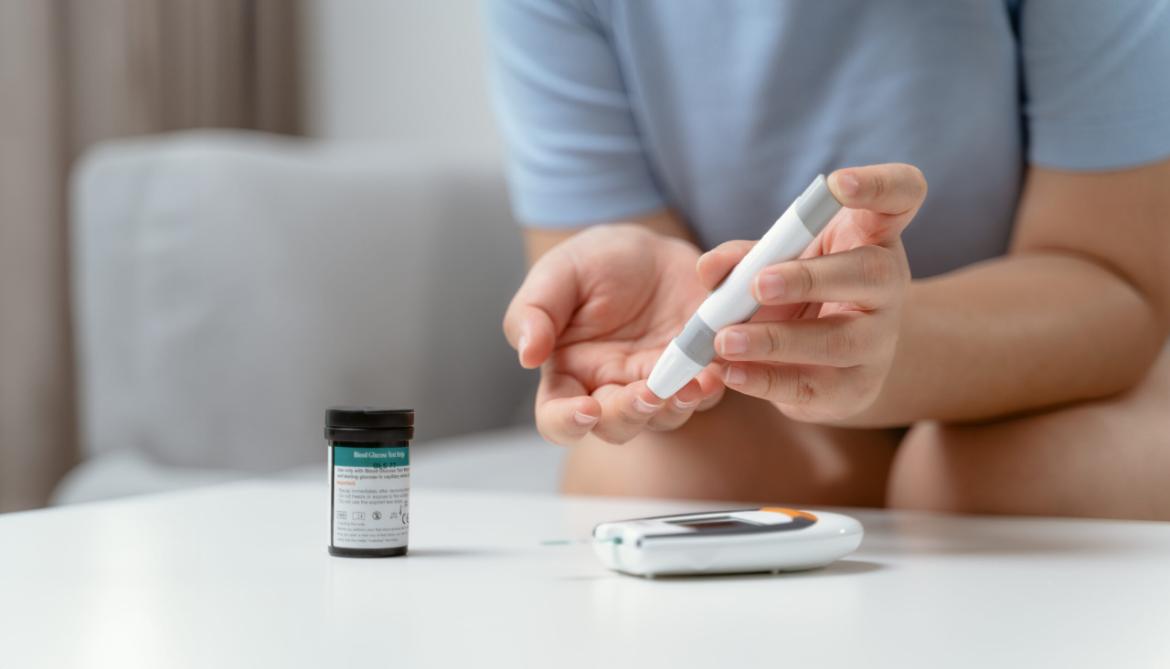
Postprandial blood sugar measurement is usually taken two hours after a person has eaten. This measurement can be easily performed at home with glucose monitoring kits, or it can be performed in healthcare facilities such as hospitals or clinics. For at-home measurements, a blood sample is collected by pricking the tip of your finger with the needle inside the device. The blood sample is then dropped onto the appropriate section of the device, and the postprandial blood sugar measurement is performed within a few seconds, and the value is displayed on the screen.
In hospital-based measurements, a blood sample is taken from the individual and sent to a laboratory for more detailed analysis. The results are generally evaluated and interpreted by doctors.
Just like fasting blood sugar, postprandial blood sugar should be measured regularly. These measurements are especially important for monitoring and managing diseases like diabetes.
What causes high postprandial blood sugar?
There are several conditions that cause postprandial blood sugar levels to be high:
- Excessive food consumption: Excessive consumption of foods, especially those containing excessive carbohydrates and sugar, can lead to increased postprandial blood sugar levels.
- Inadequate insulin secretion: In conditions like type 2 diabetes, the body can't use the insulin it produces in sufficient amounts or can't produce enough insulin. This can make it difficult for blood sugar to be absorbed into cells.
- Liver glycogen stores are not depleted: Normally, glycogen stores are depleted after a meal, allowing glucose to be taken from the blood into cells. However, in some cases, the liver may secrete more of these glycogen stores than necessary.
- Stress: Stress can cause the body to release stress hormones, which can raise blood sugar levels.
Consistently high postprandial blood sugar levels increase the risk of diabetes. Furthermore, high postprandial blood sugar can lead to various health problems, such as atherosclerosis. Therefore, high postprandial blood sugar levels are considered an important health indicator.
Symptoms of high postprandial blood sugar
When your postprandial blood sugar level rises above 140 mg/dL, it's considered high postprandial blood sugar and can cause symptoms. These symptoms may include:
- Frequent urination: High blood sugar can cause the kidneys to work harder and cause the need to urinate frequently.
- Dry mouth: High blood sugar can cause dehydration in the body, causing a feeling of dry mouth.
- Blurred vision: High blood sugar can cause temporary vision problems and cause vision to blur.
- Weakness and fatigue: Persistently high blood sugar levels can challenge the body to cope with a lack of energy, which can create feelings of weakness and fatigue.
- Constant thirst and desire to drink more water: High blood sugar levels can cause the body to lose water, which can lead to increased thirst and therefore the need to drink more water.
- Increased feeling of hunger: High postprandial blood sugar can sometimes create a feeling of hunger more often than normal.
Persistently elevated postprandial blood sugar levels can increase the risk of cardiovascular disease and lead to conditions like stroke, as well as high blood pressure. Therefore, it's important to pay attention to the symptoms of high postprandial blood sugar levels and consult a healthcare professional when necessary.
What causes low postprandial blood sugar?
Low postprandial blood sugar, usually measured below 50 mg/dL, is medically referred to as hypoglycemia. This indicates that blood sugar has dropped below normal levels.
Common causes of low postprandial blood sugar may include:
- Unbalanced nutrition: Unhealthy eating habits, especially inadequate and irregular eating patterns, can lead to low postprandial blood sugar.
- High carbohydrate consumption: Excessive consumption of foods containing lots of sugar and simple carbohydrates can cause blood sugar to rise and fall rapidly.
It's important for individuals experiencing low postprandial blood sugar to consult a qualified healthcare professional for evaluation and appropriate treatment. Hypoglycemia can be a serious condition, and receiving appropriate treatment is crucial. Reviewing eating habits and making dietary or lifestyle changes as needed can help manage this condition.
Symptoms of low postprandial blood sugar
Low postprandial blood sugar levels typically fall below 50 mg/dL and can cause symptoms. Symptoms of low postprandial blood sugar may include:
- Irritability: A sudden feeling of being irritable, restless, or nervous.
- Tremors: A trembling or tingling sensation in the hands or other parts of the body.
- Chills: Feeling cold, shivering, or shivering.
- Nausea: Mild or severe stomach discomfort and a feeling of nausea.
- Elevated pulse: A sudden feeling of accelerated pulse.
- Dizziness: Feeling of loss of balance or lightheadedness.
- Absentmindedness: Mental confusion or lack of attention.
- Difficulty concentrating: Difficulty focusing or lack of concentration.
- Headache: A feeling of mild or severe headache.
- Nightmares: Having nightmares or abnormal dreams during sleep.
If you experience high or low postprandial blood sugar, it's important to consult a healthcare professional and take appropriate steps for treatment. Maintaining a healthy and balanced eating habits, avoiding skipping meals, and regularly checking your blood sugar is also important.
How to measure blood sugar?
Blood glucose testing can be performed safely both in a hospital or clinic setting and at home. Home devices come in a variety of brands and models and typically use disposable test strips.
Here are the general steps for testing blood sugar at home:
- Using the test strip: The disposable test strip is inserted into the device with a sign indicating that the device is ready.
- Fingertip prick: The needle of the device is used to puncture the skin of the fingertip for measurement. Gently squeezing the finger beforehand can help promote blood flow.
- Taking a blood sample: The first drop from the fingertip is wiped off with cotton, then the second drop is placed on the tip of the strip.
- Displaying the measurement result: The device analyzes the blood sample on the strip in a few seconds and displays the measurement result on the digital display.
In hospital or clinic settings, blood samples are collected from the patient and analyzed in laboratories. The HbA1c value, in particular, generally indicates long-term blood sugar control and is an important parameter in the diagnosis of diabetes. This test reflects a person's blood sugar levels over the past 2-3 months and plays a crucial role in the diagnosis and treatment of diabetes.
How should we eat to regulate blood sugar?
A healthy diet is crucial for regulating blood sugar. Here are some nutritional tips to help balance blood sugar:
- A balanced and varied diet: Try to include a variety of foods from all food groups in your diet. Choose foods rich in protein, fiber, vitamins, and minerals.
- Carbohydrate choices: Choose complex carbohydrates over simple ones. Reduce your intake of refined white sugar, white rice, and processed breads, and opt for complex carbohydrates like high-fiber, whole grains, legumes, and green vegetables.
- Keep your body weight under control: If you're overweight, follow a healthy weight loss plan. Obesity can increase the risk of diabetes.
- Watch your salt, sugar and fat intake: Check the ingredients of packaged and processed foods and avoid solid and trans fats, foods with added sugar and excessive salt consumption.
- Choose healthy fats: Eat foods that contain healthy oils such as fish, which contains omega-3 fatty acids, and oilseeds and olive oil.
- Healthy snacks: Choose healthy snacks like nuts, dried fruits or yoghurt.
- Proper portion control: Choose appropriate portions at each meal and be careful not to skip meals.
- Regular measurement and monitoring: Measure your blood sugar levels regularly and follow your healthcare professional's advice for blood sugar regulation.
Adapting your eating habits to suit your personality, lifestyle, and health is important for maintaining blood sugar control. If you have any specific conditions or health concerns, it's important to seek advice from a qualified nutritionist or healthcare professional.
What does postprandial blood sugar 160 mean?
Postprandial blood sugar levels measure the level of glucose in a person's blood after eating a meal. Normally, postprandial blood sugar levels measured two hours after a meal should generally be below 140 mg/dL in healthy individuals.
A postprandial blood sugar level of 160 mg/dL is measured after a meal and is above normal limits. This value is typically considered above normal and slightly elevated. In healthy individuals, this level of postprandial blood sugar may need to be corrected through a balanced diet, exercise, and lifestyle changes.
However, each individual's body type, lifestyle, and health history are different. Therefore, if your postprandial blood sugar level is reading 160 mg/dL, it's important to consult a healthcare professional for further evaluation. This value can vary depending on many factors, and a doctor or healthcare professional can provide recommendations tailored to your individual circumstances.
What happens if postprandial blood sugar is high?
Postprandial blood sugar elevation is a condition in which postprandial blood sugar levels are above normal. Postprandial blood sugar levels are usually measured within two hours of a meal, and if they exceed normal levels, some adverse effects may be observed.
High postprandial blood sugar levels can lead to the following consequences:
- Diabetes risk: Consistently high fasting blood sugar levels can increase the risk of diabetes. Diabetes is a condition in which blood sugar levels remain above normal.
- Risk of vascular and heart health: High postprandial blood sugar levels can lead to damage to blood vessels and negatively impact heart health. Over time, this can lead to cardiovascular disease.
- Metabolic issues: High postprandial blood sugar can unbalance your metabolism and lead to weight gain or obesity in the long run.
- Organ damage over time: Persistently high blood sugar levels can damage the kidneys, eyes, nerves, and other organs. These long-term complications of diabetes can cause serious health problems over time.
It's especially important to consult a doctor or healthcare professional if you experience persistently high fasting blood sugar levels. Necessary treatment and management plans can be developed, including diet, exercise, and lifestyle changes. This can help reduce the risk of diabetes and prevent potential complications.
