


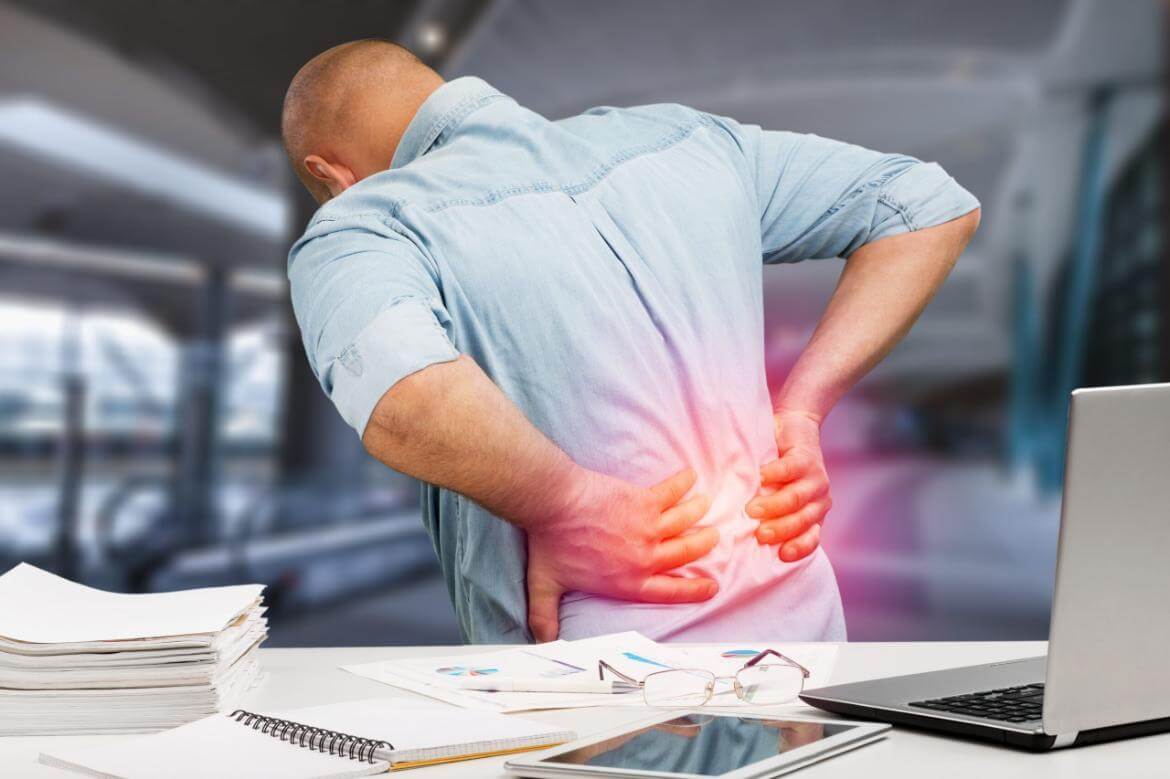
Suggestions for Preventing Back Pain
Low back pain is a significant health problem affecting 75-85% of the population and is a potential source of pain at some point in their lives. It is the second most common pain condition worldwide, second only to headaches. While low back pain is most common between the ages of 35 and 45, it can occur equally in men and women, regardless of gender. However, the prevalence of low back pain increases in women over the age of 60.
Excess weight, pregnancy, situations requiring prolonged standing, the habit of wearing high heels for extended periods, and leg length discrepancies can all lead to back pain. It's also known that back pain is common in certain professions.
Recommendations for preventing back pain include exercises that strengthen the back muscles, adopting an active lifestyle, and losing excess weight. Additionally, ergonomic adjustments that can help reduce back pain should be considered. These measures may prevent back pain from occurring or reduce its severity, but a personal medical evaluation is always important.
It reduces the quality of life
Low back pain refers to pain felt in the area between the lower ribs and the hips. This pain can be short-term (acute), longer-lasting (sub-acute), or long-term (chronic). Low back pain can make mobility difficult, affect quality of life, and negatively impact a person's mental health.
Low back pain is generally divided into two categories: specific or nonspecific. Specific low back pain is pain that originates from a specific disease or structural problem in the spine, or that radiates to another part of the body. Nonspecific low back pain, on the other hand, refers to situations where no specific disease or structural cause can be identified to explain the pain. Approximately 90% of low back pain cases are classified as nonspecific.
The cause of back pain may be unknown
Low back pain can be caused by many different conditions, including injuries to muscles or tendons in the back. It can appear suddenly or develop over time, and the pain can range in intensity from mild to severe. Sometimes, low back pain can make daily activities difficult or impossible, and sometimes the cause of the pain is unclear.
Risk factors that increase low back pain include:
- Age: Increasing age increases the likelihood of experiencing back pain. It may occur more frequently after age 40.
- Lack of exercise: Weak, unused muscles in the back and abdominal area can predispose to back pain.
- Excess weight: Excess body weight creates extra stress on the waist and back area and can cause lower back pain.
- Diseases: Some types of arthritis and diseases such as cancer can contribute to back pain.
- Improper weight lifting: Lifting heavy loads without correct posture can lead to lower back pain.
- Smoking: Smokers may have an increased risk of back pain. Smoking can cause coughing, which can increase the risk of a herniated disc. Smoking can also reduce blood flow to the spine, increasing the risk of osteoporosis.
Don't ignore persistent back pain
There may be sharp pain in the lower back that worsens in certain positions and often radiates down to the buttocks or the back of the legs. This pain may worsen with movements such as bending over, but it usually subsides when lying down. Typically, lower back pain can be relieved and improved with rest, painkillers, and physical therapy.
Treatments such as cortisone injections and osteopathic or chiropractic manipulation can alleviate back pain and contribute to the healing process. However, back pain that persists for more than a few weeks and does not improve with rest should be taken seriously. While acute, back pain can become chronic if neglected, making treatment plans more complex. Therefore, it's important not to ignore persistent back pain. Early intervention can provide long-term relief.
Low back pain can be a sign of many diseases.
Low back pain can be a sign of various illnesses. Diseases such as tuberculosis and brucellosis, osteoporosis, arthritis, and cancers that spread from or originate in the spine can all cause low back pain. Additionally, problems originating in internal organs such as the stomach, liver, and kidneys can radiate to the lower back and cause back pain. Furthermore, some low back pain can be caused by psychological factors.
For these reasons, it's crucial to identify the source of back pain and, if there's an underlying condition, develop a treatment plan. By identifying the cause and origin of back pain, appropriate treatment methods and interventions can be planned when necessary. This can help ensure proper treatment of back pain and improve a person's quality of life.
To protect your back health and prevent back pain, the following suggestions can be followed:
- When lifting weights, distribute the load evenly across your body.
- When picking up an object from the floor, squat down by bending your knees, not leaning over.
- Choose low-heeled or flat shoes instead of high heels.
- It's important for those with back problems to avoid risky sports. They may prefer lower-impact sports like walking or swimming.
- When picking up high-placed items, place support under your feet and pick them up without reaching for them.
- Be careful not to gain excess weight.
- When driving, use a seat that supports your lower back and use a pillow to support your lower back on long journeys.
- Choose orthopedic mattresses that conform to the natural curves of your spine. Lying on your side with your hips and knees bent can reduce the strain on your lower back.
- When working at a computer, pay attention to proper sitting posture. Use a chair that supports your lower back and hips, hold the screen at eye level, and keep your hands relaxed.
- If you've had a back injury and have recovered, regularly perform the exercises recommended by your doctor. If you experience extreme discomfort after exercising, consult a specialist.
These recommendations are important steps to protect your back health and prevent back pain.
