


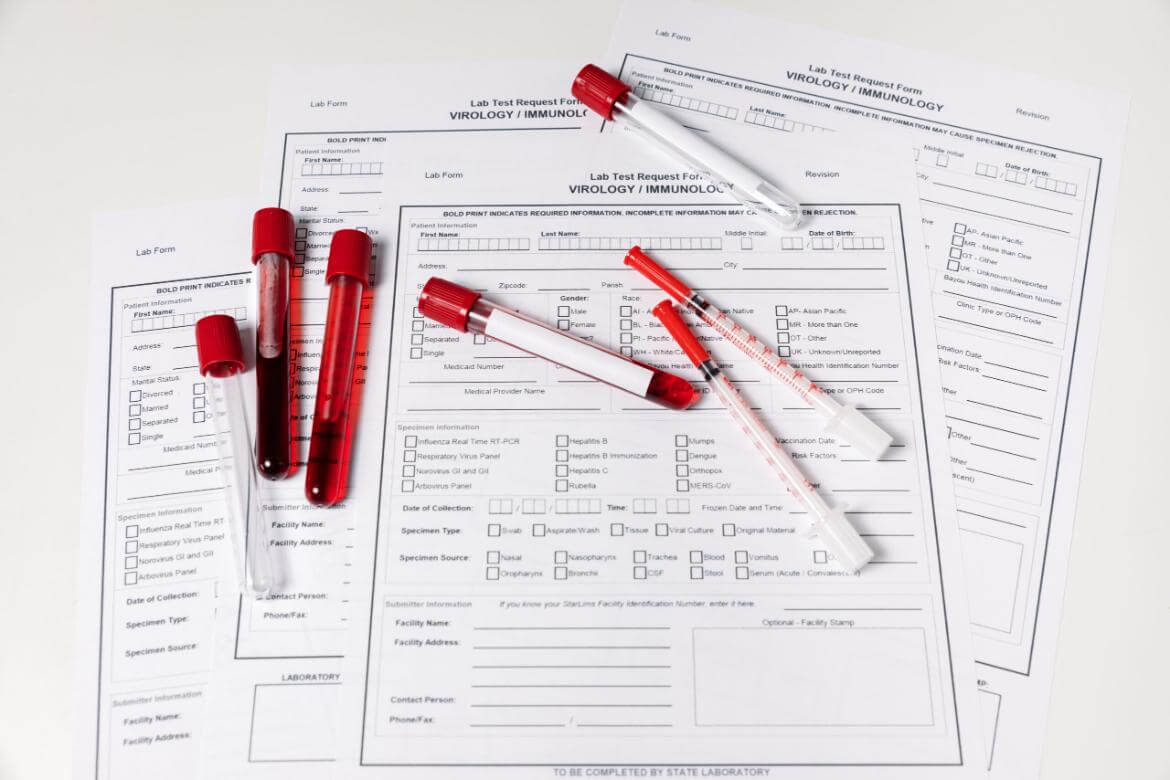
Complete Blood Count (Hemogram)
A complete blood count (CBC) is a blood test that determines the quantity and characteristics of various blood cells in the body. This test provides information about a number of health conditions by examining different types of blood cells, such as red blood cells (erythrocytes), white blood cells (leukocytes), and platelets.
A complete blood count (CBC), hemogram, or differential complete blood count (CDBC), is often referred to as a complete blood count (CBC). This test involves examining a sample of blood in a laboratory to assess the number, size, shape, and other characteristics of blood cells. The results are then evaluated by a doctor to help diagnose, treat, and monitor disease.
What Diseases Are Diagnosed with a Complete Blood Count (CBC) Test?
A complete blood count (CBC) is an important test often used in the diagnosis and monitoring of a number of diseases. This test can help identify a variety of diseases and health problems, including:
- Anemia: A condition resulting from a shortage of red blood cells (RBCs). A complete blood count (CBC) can identify the cause of anemia. It is used to identify and monitor various types of anemia, such as iron deficiency anemia, B12 deficiency anemia, or folate deficiency anemia.
- Infections: An increased number of white blood cells (leukocytes) may be a sign of an infection in the body. This test can indicate the presence of infections and provide information about the severity of the infection.
- Inflammation and inflammation: A complete blood count (CBC) can assess inflammatory conditions in the body. Conditions such as inflammation or infection can lead to increased white blood cell counts.
- Blood production disorders: A complete blood count can help identify conditions such as bone marrow diseases, leukemia, or lymphoma. Changes in platelet count can also be important in detecting bleeding disorders.
- Monitoring of chronic diseases: Hemogram can be used in the treatment and follow-up of chronic diseases such as cancer, kidney diseases, and thyroid problems.
A complete blood count (CBC) is a valuable tool for diagnosing, monitoring, and tracking treatment progress in many conditions. However, a definitive diagnosis cannot be made based solely on these test results. Therefore, doctors often evaluate CBC results in conjunction with other tests or examinations.
What Values Are Examined in a Complete Blood Count (CBC) Test?
A complete blood count (CBC) is a test that examines the basic components of blood and includes a range of values. Some of these values include:
- White blood cell count (WBC): The number of white blood cells per unit volume. It can help identify infection, noninfectious inflammatory conditions, or some cancers.
- Hemoglobin (Hb): The pigment that enables the blood to carry oxygen. It is important in determining conditions such as anemia.
- Hematocrit (Hct): The ratio between the volume of red blood cells and the total blood volume in the blood. It can help identify conditions such as anemia or dehydration.
- Red blood cell count (RBC): The number of red blood cells per unit volume. Important in detecting anemia, bone marrow problems, and certain other diseases.
- Mean corpuscular volume (MCV): This is the average volume of red blood cells. It provides information about the size of red blood cells. It is important in identifying conditions such as iron deficiency anemia.
- Mean corpuscular hemoglobin (MCH): Measures the average amount of hemoglobin in red blood cells. It is used to determine the types of anemia.
- Mean corpuscular hemoglobin concentration (MCHC): Measures the average hemoglobin concentration in red blood cells. Provides information about the amount of hemoglobin and the types of anemia.
- Red blood cell distribution width (RDW): Measures changes in the size distribution of red blood cells. It is used to determine the types of anemia.
- Platelet count: The number of platelets per unit volume. It is important in determining blood clotting ability and bleeding disorders.
- Mean platelet volume (MPV): This is the average volume of platelets. It provides information about the production and activity of new platelets.
These parameters provide comprehensive information about the overall health of the blood and are used in the diagnosis and monitoring of many diseases. However, these test results should only be interpreted by a physician and should be evaluated in conjunction with other tests.
What Should Complete Blood Count (CBC) Test Values Be?
Complete blood count test results are often evaluated within a reference range. This range represents a laboratory's typical values for a healthy population for a given test. An individual's results may fall within or outside this reference range.
Typical complete blood count (CBC) values and reference ranges for adults are as follows:
Red blood cell (erythrocyte) count:
- Male: 4.35 trillion to 5.65 trillion cells/L
- Women: 3.92 trillion to 5.13 trillion cells/L
Hemoglobin:
- Men: 13.2 to 16.6 grams/dL
- Women: 11.6 to 15 grams/dL
Hematocrit:
- Male: 38.3% to 48.6%
- Women: 35.5% to 44.9%
White blood cell (leukocyte) count:
- 3.4 billion to 9.6 billion cells/L
Platelet count:
- Male: 135 billion to 317 billion/L
- Women: 157 billion to 371 billion/L
These values represent typical ranges found in generally healthy adults. However, individual laboratory reference ranges may vary and may vary depending on age, gender, geographic location, and the laboratory's testing methods. Therefore, test results should be interpreted by a physician and evaluated based on each individual's situation.
How is a Complete Blood Count (CBC) Test Done?
The steps for the Complete Blood Count (Hemogram) test are as follows:
- Preparation: The person to be collected is placed in a suitable position (sitting or lying down). The area to be collected is cleaned and sterilized.
- Applying a tourniquet: A rubber band called a tourniquet is used to expand the vein in the area where blood will be drawn, such as the upper arm. This makes the vein more visible and makes the blood draw easier.
- Blood sampling: A blood sample is collected from a suitable vein using a prepared sterile syringe or tube. The vein just below the elbow is generally preferred.
- Blood collection process: The plunger inside the syringe is slowly pulled and the blood is filled into a specific tube or tubes.
- Needle removal and pressure: After the blood draw is complete, the tourniquet is loosened and the needle is removed. Pressure is applied to the area where the blood was drawn with a sterile cotton ball or bandage. This helps stop bleeding and prevent bruising.
- Processing of the blood sample: The collected blood sample is sent to the laboratory and analyzed for hemogram test.
These steps are typical for a blood draw. Blood collection is performed by healthcare professionals under hygienic conditions and using appropriate techniques. Sterility and proper blood collection techniques are crucial during this procedure.
Is a Complete Blood Count Performed on an Empty Stomach?
A Complete Blood Count (CBC) is usually performed on an empty stomach. Testing on an empty stomach is preferred for more consistent and accurate results. A fasting period of at least 8 hours is recommended, and drinking only water during this time is acceptable. However, in some cases, an urgent CBC may be necessary, and waiting until fasting is not possible. In these cases, the test can be performed as directed by your doctor. In all cases, it is important to follow your doctor's recommendations and instructions.
How Long Does It Take to Get a Complete Blood Count? How Long Does It Take to Get a Complete Blood Count?
Complete blood count results are usually available within a few hours. However, this timeframe can vary depending on the laboratory's workload, the testing center's policies, and other variables. While results may be available faster in urgent cases, results for a routine complete blood count are usually available within a few hours. To obtain results, please contact your healthcare center or follow the testing laboratory's recommended timeframes.
Why Should a Complete Blood Count Be Done?
A complete blood count (CBC) is an important test for assessing overall health. It can also be helpful in the diagnosis and monitoring of many diseases. A complete blood count may be performed for several reasons:
- General health assessment: This is done to identify general changes, infections and diseases occurring in the body.
- Detecting anemia: Anemia can be detected by measuring the number and size of red blood cells (erythrocytes), and the amount of hemoglobin. This refers to a deficiency of blood cells that carry oxygen throughout the body.
- Infection detection: The number and proportion of white blood cells (leukocytes) is an important parameter in determining the infections present in the body or the risk of infection.
- Immune system evaluation: In some cases, a complete blood count (CBC) may be performed to obtain information about the immune system. This evaluates the number of certain cells in the immune system.
- Cancer monitoring: It can be used to diagnose bone marrow or blood cancers and monitor them after treatment. It is used to monitor a patient's blood values during or after cancer treatment.
A complete blood count (CBC) is a test used to evaluate a number of important health conditions and can often help identify many different health issues. However, the reason for a CBC may depend on the patient's condition, symptoms, and the healthcare provider's concerns. It's important to speak with your healthcare provider about ordering this test or interpreting the results.
What are the Preparations Before a Complete Blood Count? What are the Preparations Before a Complete Blood Count Test?
A complete blood count (CBC) test doesn't require any special preparation beforehand. However, certain factors can affect the results, and it's important to inform your healthcare provider at the time of the test:
- Medications: Tell your doctor if you're taking any medications, supplements, or over-the-counter drugs. Some medications can affect test results.
- Special circumstances: Pregnancy, menstruation, living at a high altitude, or having an active lifestyle can affect test results. It's important to discuss these circumstances with your healthcare provider.
- Diet and hydration: No special diet or hydration is required before the test. However, eating a high-fat or heavy meal may affect the test results.
- Exercise and activity status: Intense physical activity may temporarily affect test results. Avoid excessive exercise before the test.
- Previous tests: If you have any previous test results or any other health issues, please inform your doctor.
Generally, you don't need to do any special preparation before the test. However, be aware that factors like the ones mentioned above can affect the results, and informing your healthcare provider about these factors will help ensure an accurate assessment and more accurate interpretation of the results.
How is a Complete Blood Count Reported?
- WBC (White blood cell count): Indicates the number of white blood cells. Normal values are used to evaluate the presence of infection or inflammation in the body.
- RBC (Red Blood Cells): Refers to the number of red blood cells. It is important in diagnosing anemia or other blood diseases.
- HGB (Hemoglobin): Indicates the amount of hemoglobin. It reflects how much oxygen the blood carries.
- HCT (Hematocrit): Indicates the percentage of red blood cells in the total blood volume. It expresses the percentage of red blood cells in the blood.
- MCV (Mean corpuscular volume): Reflects the average volume of erythrocytes. It provides information about the size or smallness of erythrocytes.
- MCH (Mean corpuscular hemoglobin): It refers to the average amount of hemoglobin in an erythrocyte.
- MCHC (Mean corpuscular hemoglobin concentration): Indicates the concentration of hemoglobin in the erythrocytes.
- PLT (Thrombocytes): Indicates the platelet count. It is important in determining blood clotting and bleeding disorders.
- RDW (Red Blood Distribution Width): Indicates the size differences of red blood cells. It can help determine the type of anemia.
- PDW (Platelet distribution width): Reflects the size differences of platelets.
- MPV (Mean platelet volume): This refers to the average platelet volume. It provides information about the active or regenerating status of platelets.
These values are used to assess a person's overall blood condition and identify potential health problems. However, it's important to remember that each value alone is not sufficient to diagnose a condition, and a doctor must thoroughly evaluate the test results.
Is a Complete Blood Count Necessary in Children?
Yes, a complete blood count is important in children, too. This test is a valuable tool for determining children's general health and monitoring potential infections, anemia, bleeding disorders, and certain diseases. It also plays a key role in the early diagnosis and follow-up of childhood cancers. A complete blood count test performed on children during routine checkups is useful for monitoring their general health. This test helps monitor their health and detect potential health problems early.
How to Interpret a Complete Blood Count?
When complete blood count (CBC) test results show deviations from normal values in various parameters, they can indicate various health problems. These values can be interpreted as follows:
- Low hemoglobin (HGB): May indicate anemia. Anemia can be caused by many conditions, such as blood loss, nutritional deficiencies, iron deficiency, chronic diseases, or genetic factors.
- High hemoglobin (HGB): It may indicate conditions such as smoking habit or excessive fluid loss.
- High white blood cell (WBC) counts: This can indicate infection or inflammation in the body. It can also indicate the presence of blood cancers such as leukemia.
- Platelet (PLT) elevation: It may indicate cancer types, iron deficiency anemia, or conditions following spleen surgery.
- Low platelet count (PLT): May indicate conditions such as idiopathic thrombocytopenic purpura, disseminated intravascular coagulation, or diseases affecting the spleen.
