


What is Nephrostomy? How is it Performed?
Nephrostomy is an interventional radiology procedure performed to restore urine flow from the kidney. A nephrostomy is an interventional radiology procedure in which a tube is placed through the skin to allow urine to drain from the kidney due to an obstruction in the urinary tract . It is performed under local anesthesia and takes approximately 30 minutes. It is covered by the Social Security Institution (SGK), while private hospital fees vary depending on the hospital.
What is Nephrostomy?
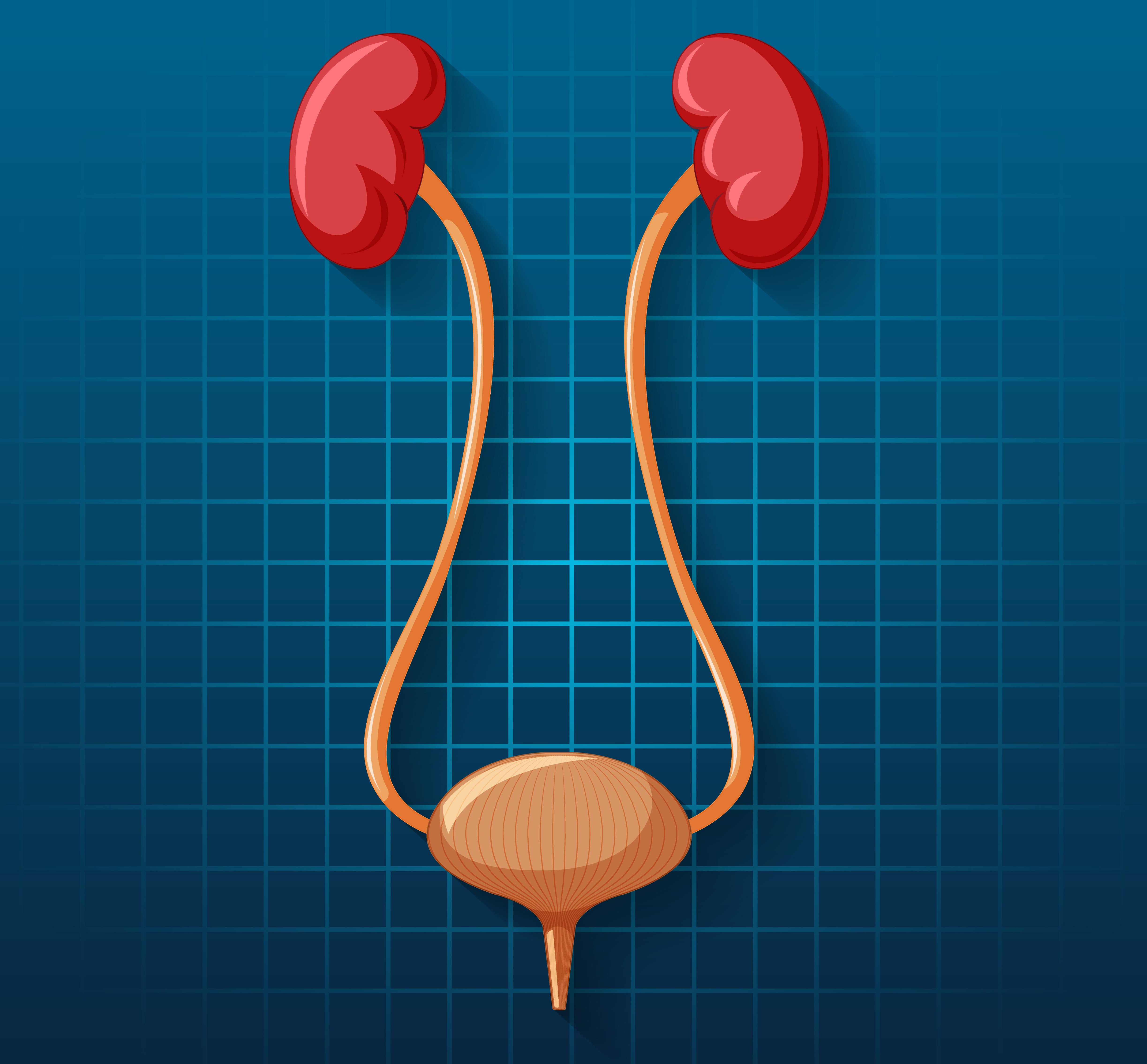
Nephrostomy is a medical procedure performed in the field of interventional radiology to restore urine flow from the kidney. Normally, urine is transported from the kidney to the bladder through a tube called the ureter. However, this flow can be disrupted due to conditions such as stones, tumors, stenosis, or post-surgical obstruction. In these cases, a nephrostomy tube is placed through the skin into the kidney, allowing urine to drain. This reduces kidney pressure and eliminates the risk of pain and infection. Nephrostomy is a vital treatment method, particularly for preventing kidney damage due to urinary tract obstruction.
How is Nephrostomy Performed?
The nephrostomy procedure is usually performed in an interventional radiology unit under local anesthesia and sedation. The patient is awake but does not feel pain during the procedure. Initially, the kidneys and urinary tract are visualized with ultrasound or fluoroscopy (live X-ray). A thin needle is then inserted into the renal collecting system through the lumbar region. A thin wire is advanced through this point, and a nephrostomy catheter is inserted. The end of the catheter is connected to a special bag that allows urine to drain. The procedure typically takes between 20 and 40 minutes. The patient's anatomical structure, the degree of obstruction, and the presence of infection may affect this time.
In Which Diseases Is Nephrostomy Performed?
Nephrostomy is usually performed in cases where there is an obstruction in the urinary tract or obstruction of urine flow. These conditions include:
Kidney stones (ureteral stones)
Ureteral strictures
Bladder or prostate tumors
Compression due to gynecological cancers in women
Postoperative urinary tract damage
Chronic urinary tract infections
There are advanced kidney failures in which urine flow is impaired.
In these diseases, nephrostomy is an effective treatment option that relieves the kidney and reduces pain and the risk of infection.
For Which Complaints is Nephrostomy Performed?
Nephrostomy is usually performed in patients with the following complaints:
Flank (side) pain
Inability or decreased urination
Urinary tract infection with fever and chills
Blood in the urine (hematuria)
Vomiting, nausea, weakness
These symptoms indicate that the kidneys are not emptying urine adequately and that renal pressure is increasing. Timely nephrostomy surgery prevents permanent kidney damage.
Things to Do Before Nephrostomy
Before the procedure, the patient will be asked for blood tests (bleeding, coagulation, kidney function). Additionally, a detailed evaluation of the kidneys and urinary tract is performed using ultrasound, CT, or MRI urography. The patient must fast for at least 6 hours. Blood thinners (aspirin, clopidogrel, warfarin, etc.) should be discontinued 3–5 days before the procedure. Furthermore, the patient will be questioned about any drug or contrast material allergies. The interventional radiology team will provide detailed information to the patient before the procedure.
What to Do After Nephrostomy
After the procedure, the patient is usually observed overnight in the hospital. Urine flow from the kidney is monitored, and fever and pain are monitored. The nephrostomy bag is secured in a sterile manner. It is normal to experience light blood in the urine for the first 24 hours. However, if there is heavy blood in the urine, fever, chills, or increased pain, a doctor should be consulted. After discharge, the patient is educated on cleaning, daily monitoring, and emptying the bag.
Nephrostomy Advantages
It is a non-surgical and quick solution.
It prevents pain and infection by reducing the pressure on the kidney.
It protects kidney functions .
Since it does not require general anesthesia, it can be safely applied to at-risk or elderly patients.
The recovery period after the procedure is quite short.
Nephrostomy Disadvantages and Risks
As with any medical procedure, nephrostomy surgery carries some risks. These include:
Infection (pyelonephritis)
Bleeding or blood in the urine
Catheter dislodgement or blockage
There is fluid accumulation around the kidneys.
However, these complications are extremely rare when the procedure is performed by experienced Interventional Radiologists .
Nephrostomy Alternative Methods
In some cases, a ureteral stent (Double J stent) may be preferred over a nephrostomy. This stent extends from the kidney to the bladder, allowing urine to flow through. However, in cases such as a tumor or severe stenosis, a nephrostomy is often the only and most effective option.
Nephrostomy Usage Areas
Removing the blockage
Preservation of kidney function
Providing drainage for infection treatment
Preparation for some urological surgeries
Drainage before external fragmentation of kidney stones (PNL)
It is widely used for purposes such as.
How Long Does Nephrostomy Last?
The procedure typically takes between 20 and 40 minutes. This time can vary depending on the degree of obstruction, the patient's anatomical structure, and the presence of infection. Patients are generally discharged within one day after the procedure.
Nephrostomy SSI and Private Insurance Coverage
The Social Security Institution (SGK) fully covers nephrostomy procedures in cases of medical necessity. There is no fee for the procedure in public hospitals. A surcharge is charged in SGK-affiliated private hospitals. Private health insurance companies also cover the procedure partially or fully, depending on the policy. Some private centers may charge a surcharge.
Nephrostomy Prices
Nephrostomy prices vary depending on the city the hospital is located in, the materials used, the doctor's experience, and the length of stay. Private hospitals with an SGK agreement may charge a surcharge if the SGK pays.
In Which Department Is Nephrostomy Performed?
Nephrostomy procedures are performed by the Department of Interventional Radiology . This department operates specialized units equipped with ultrasound and fluoroscopy equipment. The procedure does not require an operating room; it is performed in a sterile radiology suite.
Who Should Not Have Nephrostomy?
Those with severe bleeding disorders
Those with advanced renal failure
Those with active infection
Those at risk of serious allergic reactions
is not a suitable candidate for the procedure.
Where Can I Get Nephrostomy Done in Ankara?
Nephrostomy procedures are successfully performed in many private, public, and university hospitals in Ankara. Ankara Magnet Hospital , in particular, stands out in this field with its modern imaging technologies and experienced interventional radiology team.
Does Private Insurance Pay for Nephrostomy?
Yes, most private health insurance companies consider nephrostomy procedures to be "interventional radiologic treatment" and cover them partially or fully. The difference fee may vary depending on the policy.
Appointment at Ankara Magnet Hospital
Ankara Magnet Hospital performs nephrostomy procedures with a high success rate and patient satisfaction. Patient feedback can provide valuable insight. Patients report that the nephrostomy procedure was much easier than they anticipated, experiencing no pain, and experiencing difficulty urinating, but experiencing significant relief after the procedure.
Frequently Asked Questions
What is a nephrostomy bag?
A nephrostomy bag is a sterile bag that collects urine from the kidney through a nephrostomy tube. This bag allows for hygienic collection of urine without leakage. It is typically attached to the patient's waist or abdomen and requires regular emptying. The bag can be designed for single-use or long-term use.
Where is the nephrostomy placed?
A nephrostomy is a procedure that involves inserting a thin tube into the kidney to allow urine to drain outward when urine cannot pass from the kidney to the bladder. The tube is inserted through the skin (in the lower back) under ultrasound or fluoroscopy guidance. This reduces pressure on the kidneys and facilitates urine flow.
How long does the nephrostomy tube stay in?
The length of time a nephrostomy tube remains in place varies depending on the cause of the condition. For temporary cases, it may be used for a few days or weeks, while for chronic obstructions, it may remain in place for extended periods (even months). The doctor determines the length of time the tube should remain in place based on the patient's recovery and kidney function.
What happens if the nephrostomy tube becomes dislodged?
If a nephrostomy tube becomes dislodged, immediate medical attention is necessary. The tube may become lodged spontaneously and require reinsertion. This can lead to urine accumulation in the kidney, pain, and infection. Do not attempt to reinsert it yourself at home.
Does nephrostomy cause pain?
Mild pain or discomfort is normal during the first few days of insertion. However, if pain persists or if there are signs of infection, such as fever, redness, or discharge, a doctor should be consulted. With proper care and cleaning, a nephrostomy tube can generally be used painlessly.
How is nephrostomy tube cleaned?
The nephrostomy site and bag should be cleaned with sterile materials. The skin around the tube should be gently wiped daily with soap and water, an antiseptic solution (e.g., batticon) should be applied around the tube, and a sterile gauze dressing should be covered and changed regularly. The tube should not be pulled or kinked during cleaning.
How to use a nephrostomy bag?
The bag is connected to the nephrostomy tube, allowing urine to drain. A drain valve is located at the bottom of the bag, which is then emptied as it fills. A larger urine bag can be used at night. It is recommended to check the bag daily and replace it if leaking.
What is the price of a nephrostomy bag?
Nephrostomy bag prices vary depending on the brand and features. Some special bags (such as models with valves or antibacterial surfaces) may be more expensive. Bags purchased with a prescription under the Social Security Institution (SGK) may be partially covered by the government.
How many days does nephrostomy stay?
It can usually last from three days to several months. Conditions such as kidney stones, tumors, or urinary tract obstruction can extend the period. Regular checkups with a doctor are necessary to assess the condition of the tube and urine flow.
How is nephrostomy irrigation performed?
Nephrostomy tube flushing is performed with sterile saline to prevent blockage of the tube. This procedure is usually performed by a nurse or doctor. If performed at home, the patient should receive special training. Improper administration can lead to infection or blockage of the tube.
Why does blood come from the nephrostomy?
Light bleeding from the nephrostomy tube, especially in the first few days, is normal. However, if the bleeding increases, the urine turns dark red, or clots appear, these may indicate vascular damage or infection. In such cases, it's important to consult a doctor immediately.
What do nephrostomy users say?
Patients using a nephrostomy often report experiencing initial discomfort, but they adjust within a few days. Regular cleaning, bag changes, and careful movement increase comfort. Some patients can continue their daily activities (e.g., walking, light exercise) without any problems while wearing a bag.
What happens if the nephrostomy tube gets blocked?
In the event of a blockage, urine flow stops in the bladder. A doctor should be consulted immediately and the catheter replaced.
Is the procedure painful?
No, the patient does not feel any pain as it is performed under local anesthesia.
Can I take a bath after nephrostomy?
Yes, you can take a bath as recommended by your doctor, provided the catheter area is waterproof.
Post-nephrostomy care?
It includes cleaning the tube and bag after the procedure, monitoring urine flow, and practices to prevent the risk of infection and obstruction.
Nephrostomy complications?
It refers to the adverse events that may occur after the procedure: Infection (urinary tract or kidney infection), bleeding, dislocation or blockage of the tube, pain or skin irritation.
