


What is Gastric Endoscopy?
Gastric endoscopy, medically known as gastroscopy , is a procedure that uses a camera to visualize the stomach and esophagus. During the procedure, the doctor examines the mucosa of the stomach and duodenum in detail. If necessary, a biopsy (tissue sample) may be taken or polyps may be removed. This allows for early diagnosis of conditions such as stomach ulcers, gastritis, reflux, and cancer .
When is Gastric Endoscopy Performed?
Gastric endoscopy is generally recommended in the following situations:
Prolonged stomach ache or indigestion
Constant nausea and vomiting
Difficulty swallowing
Excessive weight loss or anemia
Reflux and burning complaints become chronic
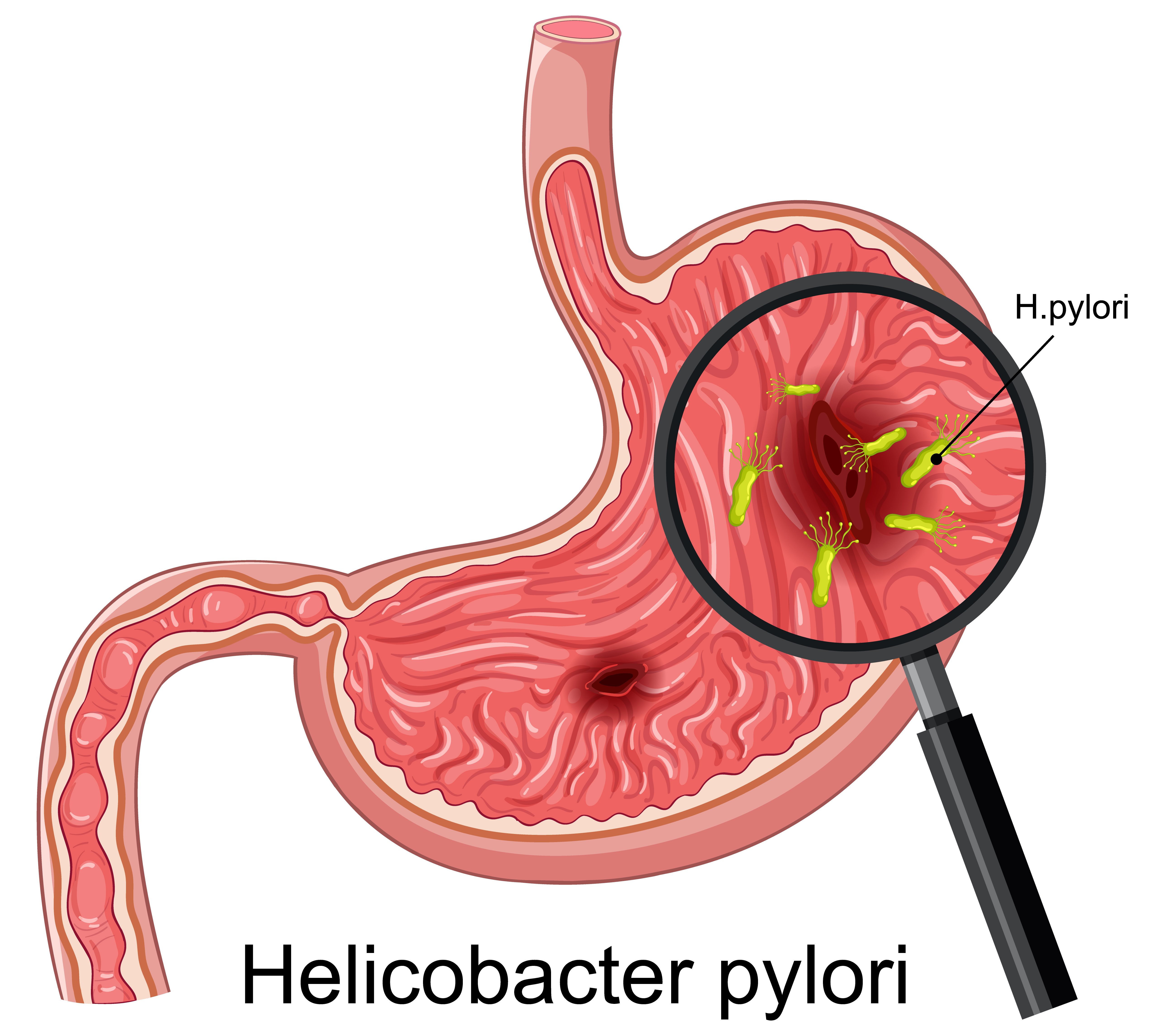
Helicobacter pylori suspicion or gastritis monitoring
It may also be recommended for screening purposes in people over 50 or those with a family history of stomach cancer.
How is a Gastric Endoscopy Performed?
A gastric endoscopy procedure is usually performed in the following steps:
Preparation: Fasting is required for at least 6–8 hours before the procedure. Water and some medications may be consumed in limited quantities with your doctor's approval.
Opening vascular access: If sedation is to be applied, vascular access is opened and sedative drugs are administered.
Gastric endoscopy while asleep: The patient is comfortably asleep or lightly sedated during the procedure.
Advancing the endoscope: A thin, flexible tube is advanced from the mouth into the stomach and duodenum. A camera allows detailed visualization of the stomach interior.
Biopsy if necessary: Tissue samples can be taken from suspicious areas.
The procedure usually takes 10–15 minutes, and if sedated, the patient rests for 1–2 hours after the procedure.
Gastric Endoscopy and Comfort While Anesthetized
Gastric endoscopy while anesthetized allows patients to undergo the procedure without experiencing pain or discomfort. This method:
It leaves no memory, the patient does not remember anything.
It allows the doctor to perform procedures comfortably, which is especially advantageous in additional interventions such as biopsy and polyp removal.
It offers a safer experience because the patient does not move.
Gastric Endoscopy Prices and Insurance Coverage
Gastric Endoscopy with SSI
The Social Security Institution (SGK) covers gastric endoscopy procedures deemed medically necessary. There is generally no additional charge in public hospitals. In some private hospitals and centers where gastric endoscopy is performed while sedated, a small additional fee may apply for sedation.
Private Insurance and Supplementary Health Insurance
Private health insurance policies often cover gastric endoscopy and sedation, depending on the policy. Supplementary health insurance covers the difference in fees at private hospitals affiliated with the Social Security Institution (SGK), but private hospitals may charge a difference for additional procedures (biopsy, pathology). Additional costs may also apply depending on your policy; sedation or polyp removal may require additional fees.
Situations Not Covered by Insurance
Aesthetic or optional endoscopies
Sedated endoscopy for routine check-up purposes (varies according to policy scope)
Extra interventions performed in private hospitals outside the insurance coverage
Ankara Magnet Hospital is a private hospital with a Social Security Institution (SGK) agreement and accepts private insurance. Many procedures, such as sedation gastric endoscopy, are performed by a gastroenterologist .
Risks of Gastric Endoscopy
Gastric endoscopy is a safe procedure, but there are some risks:
Risks related to sedation: Slowed breathing, allergic reaction, low blood pressure or arrhythmia, nausea and vomiting
Risks associated with endoscopy: Irritation of the stomach or esophagus, slight bleeding after biopsy, very rare perforation (organ puncture), risk of infection (very low with modern sterilization)
Risk factors: Advanced age, heart-lung diseases, diabetes or having had problems with sedation before.
Things to Consider After Gastric Endoscopy
You should rest for 1–2 hours after the procedure. Mild soreness or discomfort in the throat is normal and will resolve quickly. Eating and drinking should be resumed as directed by your doctor. If you experience significant pain, bleeding, or a high fever after the procedure, consult a doctor immediately.
What is Capsule Endoscopy?
Capsule endoscopy is a modern, non-invasive method for diagnosing digestive diseases. Unlike traditional endoscopy, it allows for imaging of hard-to-reach areas, such as the small intestine . During the procedure, the patient swallows a small capsule, and a mini-camera inside the capsule records the lining of the digestive tract.
Features of Capsule Endoscopy
Small capsule: Approximately the size of a vitamin capsule.
Imaging: The capsule takes thousands of pictures as it moves through the esophagus, stomach, and small intestine.
Painless and comfortable: During the procedure, the patient can walk normally and continue his/her daily activities.
Image recording: The images taken by the capsule are transmitted to a recording device placed on the chest or waist area and are then examined by the doctor.
Who Can Perform Capsule Endoscopy?
Occult bleeding of unknown cause
Small bowel ulcers or suspected tumors
Inflammatory bowel diseases such as Crohn's disease
Patients who want to view areas that cannot be reached with traditional endoscopy
Advantages
Painless and non-invasive
Can examine areas that endoscopy cannot reach
No sedation required during the procedure
Does not require hospitalization
Possible Risks
Capsule obstruction: In rare cases, a capsule may become lodged in a narrow intestinal segment.
Image loss: If the capsule battery runs out, some areas may not be viewable.
Temporary discomfort: Mild abdominal pain or discomfort may occur during the passage of the capsule.
Capsule endoscopy is generally used as a complementary method to traditional endoscopy, not an alternative.
When Will the Gastric Endoscopy Results Be Available?
The results of a gastric endoscopy vary depending on the type of procedure and the tests performed. The findings observed by the doctor and the biopsy samples taken during the procedure determine the outcome.
1. Diagnosis by observation: During a gastric endoscopy, the doctor directly examines the stomach, esophagus, and duodenum. Any polyps, sores, inflammation, or abnormalities can often be reported verbally at the end of the procedure.
2. If a biopsy was taken: Samples from the stomach wall or suspicious tissue are sent to the laboratory. Pathology results are usually available within 3–7 business days. Some specialized tests (Helicobacter pylori testing, immunohistochemistry) may take up to 1–2 weeks.
3. Special Situations: If a polyp was removed during the endoscopy or some therapeutic procedures were performed, the doctor can often explain the diagnosis and treatment plan after the procedure. In some cases, definitive results may require a pathology report. Visual findings are available immediately or immediately after the procedure. Biopsy results are available within 3–7 days, and special tests may be available within 1–14 days.
Frequently Asked Questions
Is stomach endoscopy painful?
With gastric endoscopy with sedation, the patient does not feel pain during the procedure and often does not remember anything.
How long does a stomach endoscopy take?
The procedure usually takes 10–15 minutes; if sedation was used, the total time, including rest, is 1–2 hours.
Is gastric endoscopy while asleep safe?
Yes. It is an extremely safe method under the supervision of experienced physicians and anesthesiologists.
Does SSI cover gastric endoscopy?
Yes, medically necessary endoscopies are covered by the Social Security Institution (SGK); some centers may charge an additional fee for sedation.
Does private insurance cover sedation endoscopy?
Coverage varies depending on the policy; policy details should be checked for sedation or special interventions.
What are the risks after gastric endoscopy?
Mild sore throat and nausea are normal; serious bleeding, perforation, or infection are rare.
Where is gastric endoscopy performed?
It can be performed at public and private hospitals, as well as centers with SGK agreements. Among the private hospitals in Ankara that offer gastric endoscopy, Magnet Hospital offers sedation gastric endoscopy services with both SGK and private insurance coverage.
Is stomach endoscopy dangerous?
It's generally safe. When performed by an experienced physician, it carries no serious risks. Because the procedure is performed with either sedation or local anesthesia, the patient generally feels no pain. The risk of serious complications is less than 1%.
