


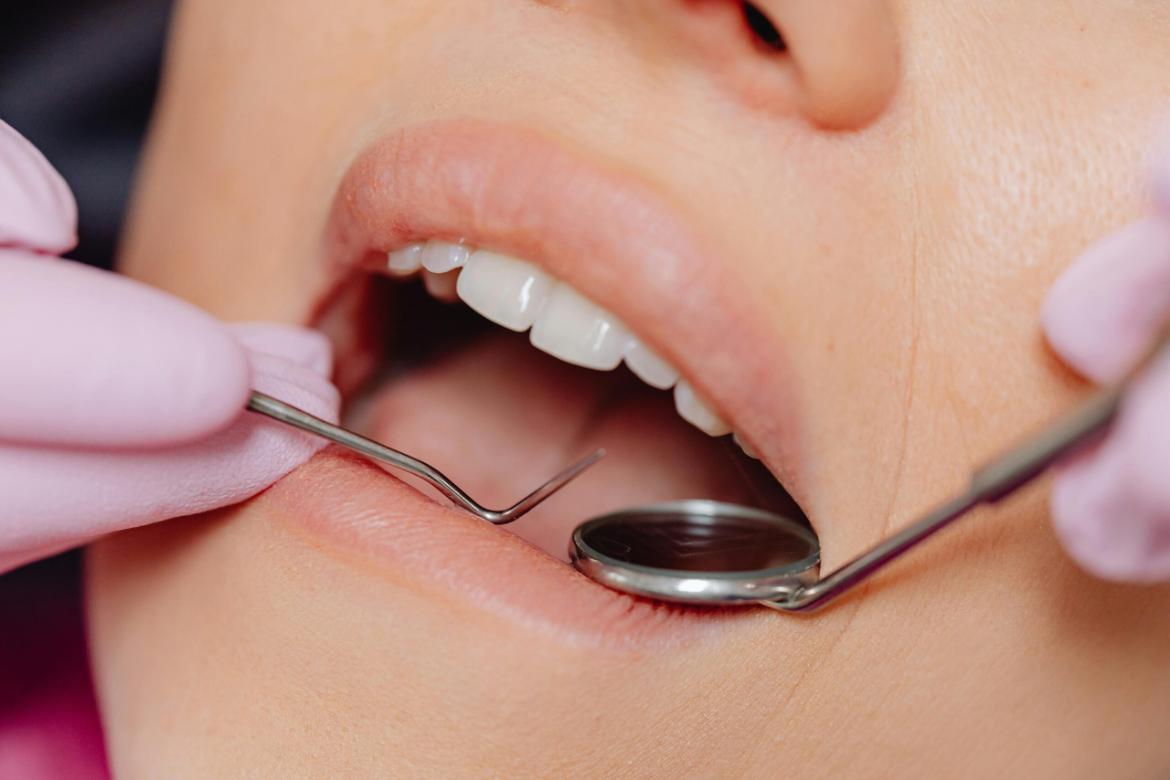
What is Gingivitis? Symptoms and Treatment
What is Gingivitis ?
Gingivitis is an oral disease caused by an infection in the gums, posing a serious threat to dental health. It is typically caused by plaque buildup , poor oral hygiene, and inadequate brushing. It is the first stage of periodontal disease, which, if left untreated, can lead to tooth loss .
What Causes Gum Inflammation ?
The most common causes of gingivitis include:
– Inadequate oral hygiene
– Dental tartar formation
– Smoking
– Unbalanced nutrition
– Not brushing teeth properly
– Hormonal changes (pregnancy, puberty)
– Some systemic diseases (diabetes, leukemia) may cause
What are the symptoms of gingivitis ?
The following symptoms are among the symptoms of gingivitis:
– Bleeding gums (especially during brushing)
– Red and swollen gums
– Bad breath
– Receding gums
– Sensitivity in teeth
– Loosening of teeth (in advanced cases)
Gum Diseases and Their Causes
Gum disease (gingivitis and periodontitis) is an infection caused by plaque and bacteria that accumulate on the teeth. This condition begins with bleeding, swelling, and redness in the early stages of development, and can progress to gum recession and even tooth loss.
Gum Inflammation and Vitamin Deficiencies
Although gingivitis can occur with inadequate oral hygiene, some vitamin deficiencies can lead to tenderness and inflammation of the gums.
1. Vitamin C Deficiency
- It is the most critical vitamin.
- Vitamin C is essential for collagen production, which keeps gums and the tissues surrounding teeth healthy.
- Its deficiency manifests itself with bleeding, swelling and inflammation of the gums.
- The serious condition caused by vitamin C deficiency is known as scurvy.
2. Vitamin D Deficiency
- It causes the immune system to weaken.
- It reduces the repair capacity of gum and bone tissues.
- Low vitamin D levels increase the risk of periodontitis.
3. Vitamin B12 Deficiency
- It can cause canker sores and sores in the mouth.
- It may cause sensitivity and inflammation in the gums.
4. Folic Acid (B9) Deficiency
- It slows down cell renewal.
- It makes it difficult for the gum tissue to regenerate itself and paves the way for inflammation.
A balanced diet , particularly vitamin C, but also vitamin D, B12 , and folic acid, is crucial for gum health. Regular oral care and a vitamin-rich diet significantly reduce the risk of gingivitis.
Foods That Are Good for Gum Inflammation
Gingivitis can occur due to poor oral hygiene, vitamin deficiencies, and certain lifestyle factors. Nutrition plays a key role in maintaining gum health. Here are some foods that are good for gingivitis:
1. Foods Containing Vitamin C
- Orange, tangerine, kiwi, strawberry, green pepper, broccoli
- Vitamin C strengthens gums, supports collagen production and reduces inflammation.
2. Vitamin D Sources
- Salmon, sardines, egg yolks, milk and dairy products
- Vitamin D strengthens the immune system and increases the resistance of the gums to infections.
3. Omega-3 Fatty Acids
- Walnuts, fish, flaxseed
- Thanks to its anti-inflammatory properties, it helps reduce gingivitis.
4. Foods Containing Folic Acid (B9)
- Spinach, lettuce, avocado, lentils
- Folic acid supports the regeneration of gum tissue and prevents inflammation.
5. Foods Containing Probiotics
- Yogurt, kefir, fermented foods
- It balances the oral and intestinal flora and helps control harmful bacteria in the mouth.
6. Antioxidant-Rich Vegetables and Fruits
- Carrots, red peppers, tomatoes, blackberries
- It helps prevent gingivitis by fighting free radicals.
Extra Suggestions
- Limit sugary and processed foods.
- Increase the effectiveness of nutrients with regular brushing and flossing.
- Have regular check-ups with a dentist
How is Gingivitis Treated?
The treatment process may vary depending on the degree of inflammation. The methods used include:
– Professional dental cleaning (scaling)
– Dental tartar cleaning
What are the Benefits of Dental Tartar Cleaning for Gingivitis?
The Relationship Between Dental Tartar and Gingivitis
Tartar forms when plaque accumulates on teeth and hardens over time. Without regular brushing and flossing, this buildup can lead to gingivitis, which manifests itself through symptoms such as bleeding gums, swelling, redness, and bad breath.
Benefits of Dental Tartar Cleaning
- Reduces gingivitis – Professional dental scaling helps reduce inflammation by eliminating bacteria under the gum line.
- Prevents bleeding – After regular cleaning, bleeding from the gums is greatly reduced.
- Reduces the risk of tooth loss – It helps prevent tooth loss caused by advanced gum diseases.
- Eliminates bad breath – The bad odor caused by dental tartar is significantly reduced after cleaning.
- Improves aesthetic appearance – Cleaned teeth look whiter and healthier.
How Often Should It Be Done?
Tartar cleaning should generally be performed by a dentist every six months. However, this period may be shorter for people with gum problems.
Extra Tips for Gum Health
- Regular brushing and flossing
- Antiseptic mouthwashes
- Avoiding smoking and excessive sugar consumption
- Regular dentist checkups
Tartar removal is crucial not only for aesthetic reasons but also for gingivitis and dental health. Regular cleanings not only protect gum health but also promote a healthier mouth.
– Antibiotic treatment
When is it necessary to use antibiotics?
Not every gum problem requires antibiotics. However, if there is advanced inflammatory gum disease, severe pain, swelling, or a risk of systemic spread, your dentist may recommend antibiotic treatment.
Benefits of Antibiotic Treatment
- Reduces bacterial load – Antibiotics help eliminate bacteria that cause infection in the gums.
- Controls inflammation – Symptoms such as swelling and redness decrease in a short time.
- Relieves pain – As the infection decreases, pain caused by gums will be relieved.
- Provides support for treatment – Antibiotics alone are not the solution; however, they increase success when used in conjunction with dental scaling, curettage or surgical procedures.
- Prevents spread – Infection is prevented from spreading to the roots of the teeth, jawbone or other parts of the body.
What Should Be Done Besides Antibiotics for Gum Health?
- Regular brushing and flossing
- Supporting oral hygiene with antiseptic mouthwash
- Regular dentist checkups
- Avoiding smoking and sugar consumption
The use of antibiotics in gum treatment provides significant support, especially in cases of advanced inflammation. However, antibiotics are not used in every case; treatment should always be under the supervision of a dentist. Antibiotic treatment, combined with professional cleaning and regular care, helps restore healthy gums.
– Mouthwashes and special toothpastes
– Surgical intervention (flap operation) in advanced cases
Regular dental check-ups after treatment are very important.
How to Prevent Gum Infection?
– Regular tooth brushing (twice a day)
– Use of dental floss
– Dental check-up every 6 months
– Healthy diet and plenty of water consumption
– Quitting smoking
Frequently Asked Questions
1. Does gingivitis go away on its own?
No. If gingivitis is not detected and treated early, it can progress and lead to more serious problems.
2. Does gingivitis cause pain?
In the early stages, it is usually painless. However, as the inflammation progresses, pain, throbbing, and tenderness may occur.
3. How to cure gingivitis at home?
Home remedies are limited. While gargling with salt water may provide temporary relief, a dentist should definitely be consulted.
4. Does gum inflammation (gingivitis) occur during pregnancy?
Yes. Pregnancy gingivitis is common due to hormonal changes. Regular checkups are very important.
Gingivitis Treatment at Magnet Hospital
Magnet Hospital Dental Clinic offers modern methods and expert dentists to treat gingivitis and periodontitis. The clinic offers professional scaling, curettage (deep gum cleaning), antiseptic treatments, antibiotics when necessary, and, in more advanced cases, laser-assisted periodontal therapy. This control helps control inflammation in the gums, minimizing the risk of bleeding, swelling, bad breath, and tooth loss.
As a 24/7 dental clinic, Magnet Hospital offers uninterrupted service to its patients for both routine checkups and emergencies. For those searching for the "closest dental clinic" in Ankara, Magnet Hospital offers reliable, fast, and expert solutions, making it the perfect place to protect your dental health.
To make an appointment with Magnet Hospital Dentist, you can call 0312 212 80 80 and make your appointment immediately.
