


Crooked Teeth (Malocclusion): What is it, Causes, Symptoms, Treatment and Solution Methods
Crooked teeth are conditions where the teeth don't line up properly in the jaw. They can overlap, create gaps, or misalign with the jawline. Crooked teeth aren't just a cosmetic concern; they can also reduce chewing efficiency, hinder speech, and compromise oral hygiene. Therefore, regular checkups with a dentist or dental specialist are essential.
Causes of Crooked Teeth
- Genetic factors: The jaw and teeth structure inherited from families increases the risk of crookedness.
- Small jawbone: If the jaw is small, there is not enough space for the teeth and the teeth overlap.
- Habits: Thumb sucking, prolonged pacifier use, or tongue thrusting habits increase the risk of crookedness.
- Trauma: Blows to the face or jaw area can cause teeth to shift or become misaligned.
- Aging: Over time, teeth can naturally move and become crooked. To determine the causes of these problems, an examination by a private hospital dental clinic or dental specialist is recommended.
Symptoms of Crooked Teeth
Crooked teeth can sometimes be subtle, especially when they're slightly misaligned. However, the following signs indicate that your teeth are misaligned:
- Overlapping or gaps in teeth: Teeth may overlap each other outside of their normal alignment, or gaps may form between them.
- Difficulty chewing: Difficulty in grinding food properly is one of the most obvious symptoms of crooked teeth.
- Speech problems: Inability to pronounce some letters such as “S”, “T”, “F” correctly may be caused by incorrect positioning of the teeth.
- Gum irritation or pain: Crooked teeth can put pressure on the gums, causing pain or irritation.
- Difficulty with oral hygiene: Tooth decay and gum problems can occur due to difficulty brushing and flossing.
- Aesthetic concerns: Crooked teeth can affect the smile and lead to social anxiety and low self-confidence.
When you notice these symptoms, it is important to consult a dentist or orthodontist to prevent the progression of the misalignment and determine the appropriate treatment plan.
Harms of Crooked Teeth
- Oral hygiene problems: Irregular teeth create areas that are difficult to brush and floss.
- Chewing and digestion problems: Crooked teeth make it difficult to grind food properly.
- Speech disorders: The wrong position of the teeth may prevent some sounds from coming out correctly.
- Jaw and joint pain: Improper bites put pressure on the jaw joint.
- Aesthetic and psychological effects: Crooked teeth can lower self-confidence.
How Are Crooked Teeth Diagnosed?
Crooked teeth are diagnosed by a dentist or orthodontist through an examination, panoramic x-rays, and digital measurements. During this process, a personalized treatment plan is developed.
Crooked Teeth Treatment Methods
Crooked teeth treatment involves various methods to ensure correct alignment. The goal of treatment is to provide both an aesthetic and functional solution.
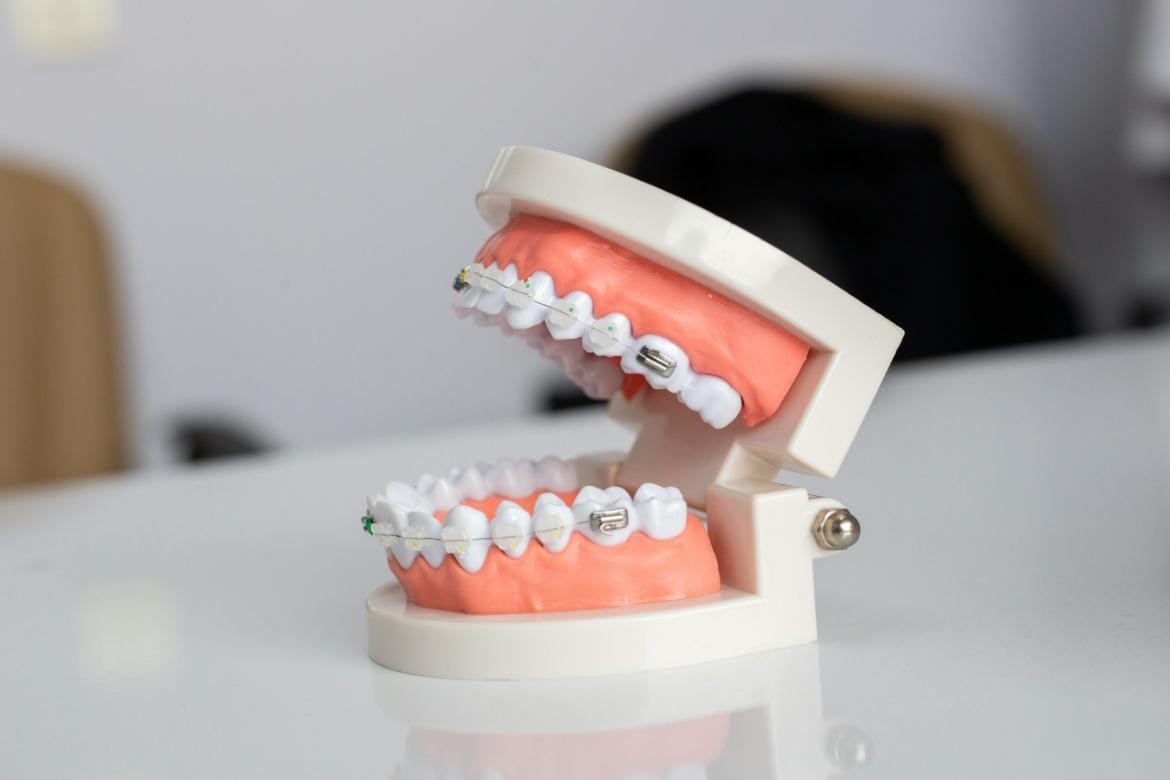
Metal Braces
- Metal braces are a classic and effective method.
- The teeth are aligned in a controlled manner with brackets and wires placed on the teeth.
- The duration of treatment is usually 12–24 months, but in advanced cases it may extend up to 30 months.
- Success is achieved with regular dentist check-ups.
Clear Align (Invisalign)
- Clear aligners are suitable for adults with aesthetic concerns, thanks to their invisible and removable structure.
- It is effective in mild and moderate deformities and does not affect daily life.
- The duration of treatment varies between 12–18 months.
Aesthetic Veneers
- Aesthetic veneers quickly correct slight distortions with laminate veneers or zirconium.
- It does not change the position of the teeth; it only improves the appearance.
- It is suitable for those who have aesthetic concerns about their front teeth.
Jaw Surgery and Surgical Treatment
- Surgical treatment is applied to advanced jaw and tooth disorders.
- When used in conjunction with orthodontic treatment, it provides alignment of both teeth and jaw.
- It requires a recovery period after surgery.
Crooked Teeth Treatment Prices
These operations vary depending on the operations to be performed.
- Metal braces
- Clear aligner (Invisalign)
- Aesthetic coatings
- Jaw surgery
Prices vary depending on these procedures and the individual treatment plan.
Where to Get Crooked Teeth Treatment in Ankara?
You can get treatment for crooked teeth in Ankara from private hospital dental clinics , orthodontic clinics, dental specialist offices, state hospitals, university hospitals, and dental hospitals.
- There are many clinics in the Çankaya, Kızılay and Yenimahalle regions.
- You can easily find it by searching for "crooked teeth treatment in Ankara," "orthodontist in Ankara," and "braces prices in Ankara." Magnet Hospital, with its central location, is easy to reach and offers the closest dental examination and treatment services to you.
Frequently Asked Questions (FAQ)
Can crooked teeth be corrected on their own?
No, it progresses without treatment.
How long does braces treatment take?
It varies between 12–24 months.
Are clear aligners effective for every kind of crookedness?
Suitable for mild to moderate cases; in advanced cases, braces are required.
Do veneers change the position of teeth?
No, it only improves the aesthetic appearance.
Orthodontics and Crooked Teeth Treatment at Magnet Hospital
Magnet Hospital Dental Clinic offers modern methods for treating crooked teeth in Ankara:
- Metal, ceramic and lingual wires
- Clear aligner (Invisalign)
- Aesthetic coatings and laminate solutions
- Jaw correction with surgical support when necessary
- 24/7 dentist and dental specialist service
Appointments and information: 0312 212 80 80
