


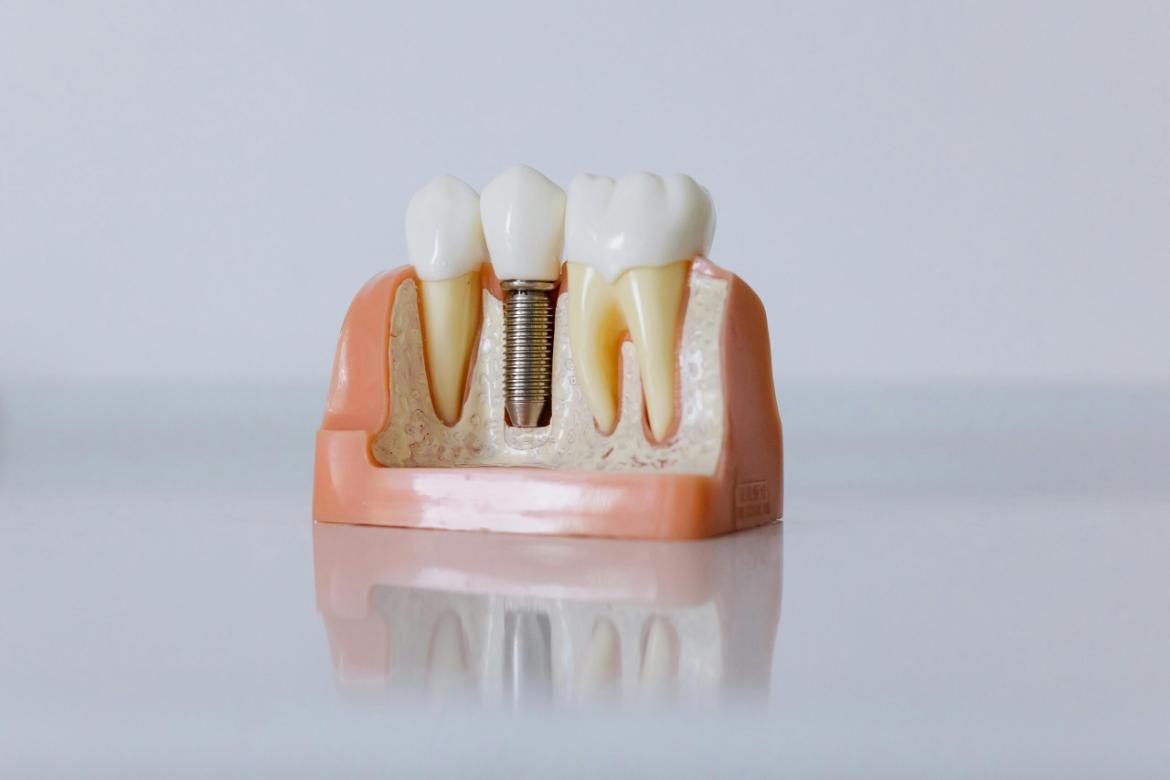
Dental Implants: The Key to Healthy and Lasting Smiles
What is a Dental Implant?
Dental implants are titanium screws surgically placed into the jawbone to replace lost teeth. They offer both an aesthetic and functional solution. Implants restore the appearance and chewing function of natural teeth.
- Permanent and durable: Can be used for a lifetime with proper care.
- Prevents bone loss: It prevents the jaw bone from melting after tooth loss.
- Aesthetic appearance: It looks compatible with natural teeth and increases smile aesthetics.
Types of Dental Implants
- Single Tooth Implant: It is applied in cases where a single tooth is missing.
- Multiple Implants: It is preferred in cases of multiple tooth loss.
- All-on-4 Implant: In completely edentulous mouths, a fixed prosthesis is made on 4 implants.
- Zirconium Implant: Used in people who prioritize aesthetics.
Who Can Get Dental Implants?
- Adults: Individuals whose jawbone has completed development.
- People who have lost one or more teeth: People who have lost one or more teeth.
- Healthy individuals: Those with suitable general health are candidates for implants.
- People with suitable bone quality: Sufficient bone structure is required for the implant to hold firmly to the bone.
Possible Risks of Dental Implants
- Temporary swelling and tenderness
- In rare cases, implant non-union may occur.
- Gum infections as a result of improper care
These risks can be minimized by choosing a specialist dentist and the right clinic.
Advantages of Dental Implants
- Natural Appearance: Provides the closest aesthetic result to real teeth.
- Long-Lasting: With proper maintenance, it can be used for a lifetime.
- Comfort: Eliminates the discomfort of removable dentures.
- Healthy Oral Structure: It does not harm other teeth and prevents the jawbone from resorbing.
Who Cannot Get Dental Implants?
- Uncontrolled Diabetes: The healing process becomes more difficult and the risk of infection increases.
- Advanced Osteoporosis: The jawbone cannot support the implant.
- Immune System Problems: Risk of infection increases.
- Those who have received radiotherapy or chemotherapy: Bone healing is delayed.
- Heavy Smokers and Alcohol Users: The healing process of the implant is negatively affected.
- Pregnant women: Not suitable for surgical procedures.
How is a Dental Implant Performed?
- Examination and Planning: The dentist evaluates the jaw structure and health status and makes planning with x-ray or 3D tomography.
- Surgical Procedure: The implant is placed into the jawbone under local anesthesia. The procedure is painless and quick.
- Healing Process (Osseointegration): The implant is allowed to fuse with the bone. This process can take 2-6 months.
- Prosthesis Application: After the implant fuses to the bone, a permanent dental prosthesis is placed on it.
What Should You Pay Attention to After Dental Implants?
- First 24 Hours: Do not gargle your mouth, spit, or eat hot or hard foods.
- Cigarette and Alcohol: Avoiding smoking for the first 1-2 weeks will speed up the healing process.
- Nutrition: Soft and warm foods should be preferred; hard foods should be avoided.
- Oral Hygiene: Brushing and using antiseptic mouthwash as recommended by the doctor.
- Check-ups: Regular dental check-ups should be performed.
Paying attention to these rules ensures the longevity and health of the implant.
Nutrition and Recovery Process After Dental Implants
- Normal eating: Soft, warm foods for the first 24 hours, then normal eating can begin after one week. Before eating hard foods, wait until the implant has fully integrated with the bone.
- Initial healing: Soft tissues heal within 7-10 days.
- Complete union: It takes an average of 2-6 months for the implant to fuse with the bone.
Dental Implant Prices 2025
Dental implant prices vary depending on the institution and the type of implant used:
- Private hospitals and dental centers: Prices may vary depending on individual planning and high technology.
- University hospitals: Generally more economical, but the process may take a bit longer.
- Public hospitals: Prices may vary with social security coverage.
Note: The number of implants to be used, the type of prosthesis and the patient's jaw structure affect the price.
Dental Implants Covered by Social Security and Private Insurance
- Social Security Institution (SGK): Dental implants are generally not covered by the SGK because they are not routinely covered. However, in some special cases (e.g., trauma, serious health problems), partial payment may be made.
- Private health insurance and supplementary insurance: Depending on the insurance policy, all or part of the dental implant costs may be covered.
- Things to consider regarding insurance coverage: Before the procedure, it is necessary to check whether the implant is covered by the policy.
Where to Get Dental Implants in Ankara?
Dental implant treatment in Ankara is performed in the following institutions:
- Private Hospitals and Dental Centers
- University Hospitals
- State Hospitals (waiting time may be longer) • Dental Clinics
9. Dental Implant Service in Ankara and Why Choose Magnet Hospital?
Many institutions in Ankara offer dental implant services: private hospitals, dental centers, university and public hospitals .
Magnet Hospital advantages:
- Expert dentists and modern technology
- Personalized treatment plan
- Emergency support and checks available 24/7
- High success rate and long-lasting implants
- Comfortable and sterile clinical environment
Frequently Asked Questions (FAQ) About Dental Implants
How many days after the implant can I eat normal food?
Soft, warm foods for the first 24 hours, then normal eating after 1 week. For hard foods, the implant needs to fully integrate into the bone. This process usually takes 2-3 months.
How many days does it take to heal after implantation?
Initial tissue healing occurs within 7-10 days. However, complete implant healing (osseointegration) takes an average of 2-6 months. This timeframe can vary depending on the individual's bone structure, health, and implant location.
When does the implant fuse to the bone?
The implant typically takes between 2 and 4 months to fuse with the jawbone. In some patients, this period can extend up to 6 months. Once the bonding is complete, a permanent prosthesis is placed over the implant.
How many days does it take to detect a failed implant?
The first few weeks provide clues about implant adherence. Excessive pain, swelling, and looseness of the implant may be signs of failure. The final results usually become clear within 2-3 months. Regular doctor checkups are crucial for monitoring this process.
Are dental implants covered by Social Security?
It is not generally paid, but can only be partially covered in special cases.
Does private health insurance cover implants?
Full or partial payment can be made under the policy; insurance check is important before the transaction.
How long does a dental implant last?
With proper maintenance, it can last a lifetime; regular checks are essential.
Does a dental implant hurt?
No. It is performed under local anesthesia, so there may be mild pain after the procedure.
How long does it take to complete a dental implant?
It is usually completed within 2–3 months. In some cases, it may take longer.
Can dental implants be used for a lifetime?
Yes. It can be used for a lifetime with regular maintenance and control.
Are implants performed in public hospitals?
Yes, but Social Security does not cover cosmetic implants. There may be a fee.
Does private health insurance cover implants?
It is not usually covered. Some supplementary insurance policies may offer additional packages.
My jawbone is thin, can I get an implant?
Yes. Solutions can be found with bone grafting or advanced surgical methods.
Which is better, implant or bridge?
Implants are a longer-lasting and healthier solution than bridges.
Conclusion and Recommendations
Dental implants offer an aesthetic and functional solution to replace lost teeth. For a successful implant:
• Appropriate patient selection
• Specialist dentist control
• Proper care and nutrition after implantation is very important.
Magnet Hospital offers safe and long-lasting implant solutions in Ankara with its expert staff and cutting-edge technology. Schedule your appointment today for a healthy smile!
