


What is Gastroscopy and How is it Performed?
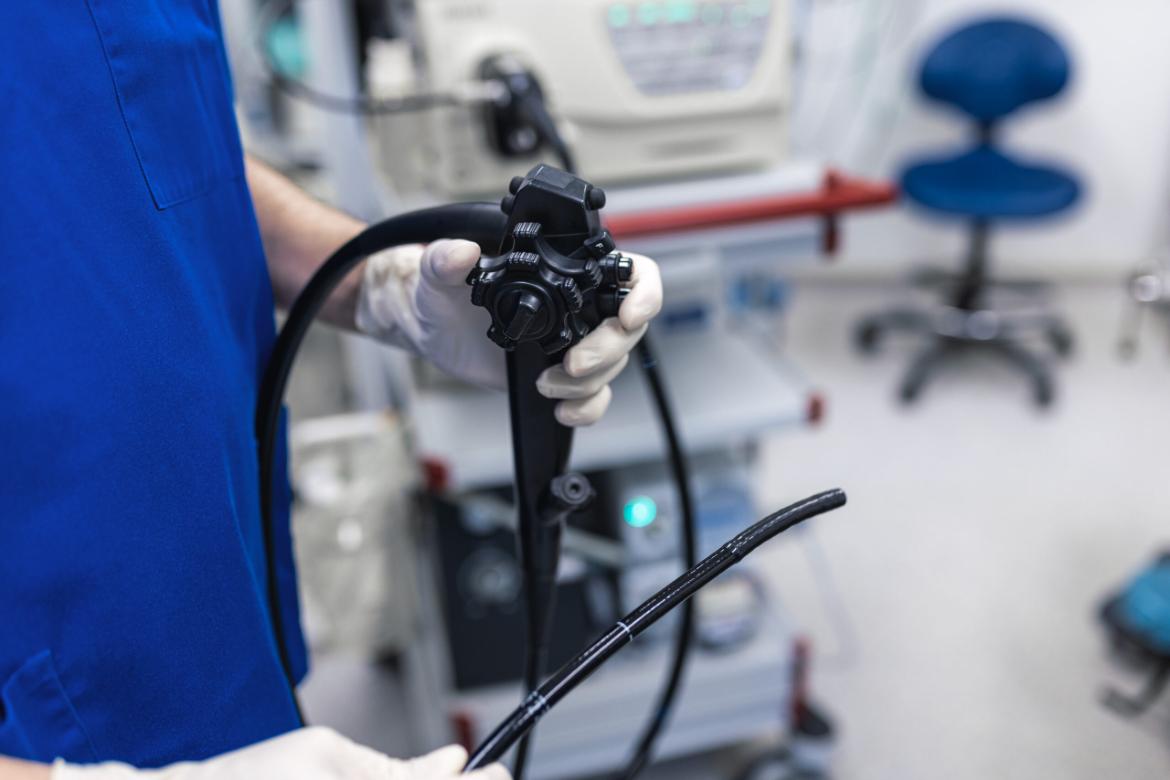
Gastroscopy is a medical procedure used to examine the inside of the stomach and esophagus. It is also called upper gastrointestinal (GI) endoscopy or upper endoscopy. During this procedure, a gastroscope, a flexible tube, is passed through the mouth to view the insides of organs such as the esophagus, stomach, and duodenum.
Why Is Gastroscopy Done?
- Evaluation of stomach or esophageal symptoms: Gastroscopy may be performed on individuals experiencing symptoms such as stomach pain, indigestion, nausea, vomiting, difficulty swallowing, or heartburn. It is performed to identify the cause of these symptoms and diagnose potential illnesses.
- Stomach or duodenal ulcers: Gastroscopy is used to diagnose stomach or duodenal ulcers. Ulcers are sores or damage to the lining of the stomach or intestines that can be visualized with gastroscopy.
- Locating the source of stomach bleeding: If a person is suspected of having stomach bleeding, a gastroscopy may be performed to determine the source. The gastroscopy can help locate the bleeding area and treat it if necessary.
- Stomach or esophageal cancer: Gastroscopy can be used to screen for stomach or esophageal cancer. During this procedure, a doctor can detect abnormalities or lesions in internal organs and, through a biopsy, diagnose the presence of cancer.
- Evaluating Reflux Disease or GERD: Gastroscopy is used to diagnose and evaluate reflux disease or gastroesophageal reflux disease (GERD). GERD is a condition characterized by the reflux of stomach acid into the esophagus. Gastroscopy can aid in diagnosis by revealing irritations, ulcers, or damage to the lining of the stomach and esophagus.
- Difficulty swallowing or stomach pain: Gastroscopy can be used to identify the causes of difficulty swallowing (dysphagia) or chronic stomach pain. By obtaining images of the internal organs through the gastroscope, potential underlying problems can be diagnosed.
- Other situations: Gastroscopy can also be used for different situations such as the detection and removal of gastric polyps, evaluation of gastric varices, and removal of foreign bodies.
How Should You Prepare for Gastroscopy?
- Follow your doctor's instructions: Your doctor will give you specific instructions before your gastroscopy. Read and follow these instructions carefully. Specifically, you will be given information about when you should fast for the gastroscopy, instructions on medication use, and any other special requirements before the procedure.
- Adhere to the fasting period: Gastroscopy is usually performed on an empty stomach. You will generally be asked not to eat anything for at least 6 to 8 hours. Liquid consumption may also be limited during this time. Follow your doctor's instructions and adjust your fasting period accordingly based on the date of your last meal or drink before the gastroscopy.
- Discuss medications with your doctor: Ask your doctor about medications before your gastroscopy. Some medications, especially blood thinners, aspirin, or anti-inflammatory medications, may need to be stopped or their dosage adjusted before your gastroscopy. Adjust your medications as directed by your doctor.
- Report allergies and medical conditions: Before your gastroscopy, inform your doctor about your allergies, past medical conditions, current medications, and any other health problems. This will help determine any special precautions you need to take during the procedure.
- Arrange for a relative to accompany you: During a gastroscopy, you're usually sedated (light sleep) or anesthetized. Therefore, you may be asleep or dizzy for a while after the procedure until the effects wear off. Therefore, it's important to have a relative accompany you and ensure a safe return home.
- Clothing and makeup: Patients usually wear a hospital gown during a gastroscopy. Choose comfortable, loose-fitting clothing. You may also want to remove any makeup, jewelry, and nail polish.
How is Gastroscopy Performed?
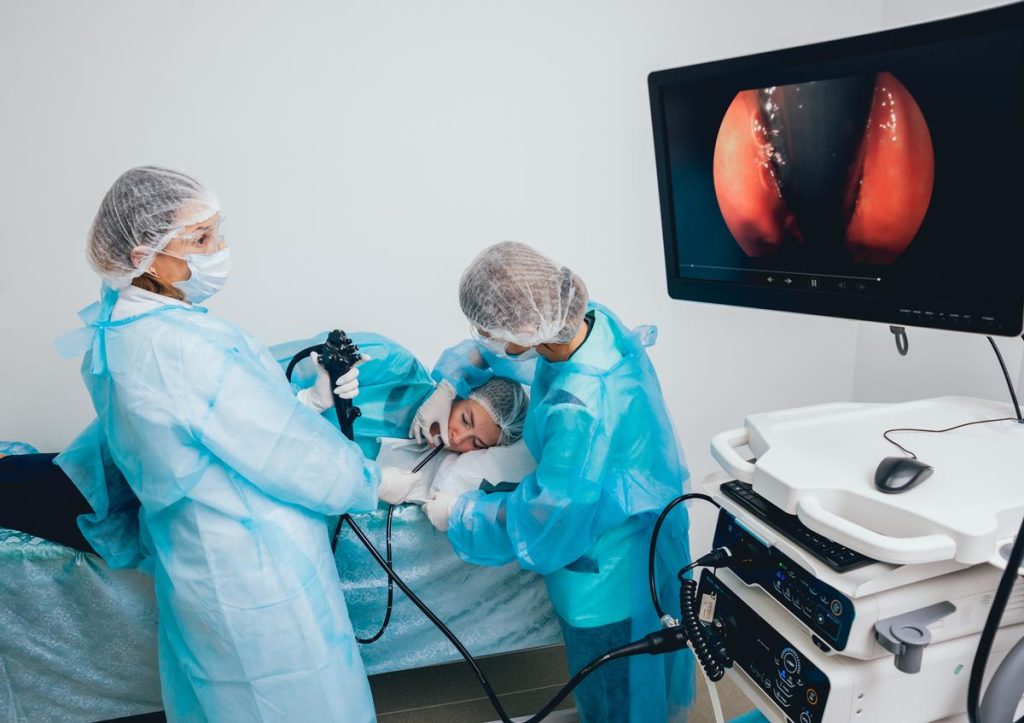
- Preparation: Gastroscopy is usually performed in a hospital or endoscopy center. First, the patient is sedated (light sleep) or anesthetized. The patient lies supine, and the necessary equipment for gastroscopy is prepared.
- Medication: Before the procedure, a local anesthetic spray is usually administered to numb the throat. In addition, sedation or anesthesia medications are also administered. This helps the patient relax and avoids pain or discomfort during the procedure.
- Gastroscopy involves: A gastroscope is a flexible tube inserted through the mouth and inserted into the esophagus, stomach, and duodenum. The gastroscope contains a light source, a camera, and a system that transmits images to a monitor.
- Examining and Imaging: The gastroscope is slowly advanced into the stomach and intestines. During gastroscopy, the doctor carefully examines images of the internal organs. The tip of the gastroscope is used to observe abnormalities, ulcers, bleeding, tumors, or other pathological conditions on the inner surface. The images are displayed on a monitor and help the doctor make a diagnosis.
- Biopsy and treatment: A biopsy (tissue sampling) can also be performed during gastroscopy if necessary. If the doctor identifies a suspicious area, they may use a biopsy tool to remove a small tissue sample. Some treatments may also be performed during gastroscopy. For example, if a polyp is present, it may be removed, or if a bleeding area is present, treatment may be administered.
- After the procedure: Gastroscopy is usually completed quickly, typically between 15 and 30 minutes. After the procedure, the patient is monitored for a period of rest until the effects subside. It is important to have someone with them while the patient is waking up or feeling dizzy. The doctor will share the results of the procedure with the patient and, if necessary, any further treatment or follow-up plans.
Complications of Gastroscopy
While gastroscopy is generally a safe procedure, in rare cases, complications can occur. These may include:
- Bleeding: Bleeding can occur during procedures such as a tissue biopsy or polyp removal during gastroscopy. Bleeding is usually mild and stops on its own, but in rare cases, intervention may be necessary to stop the bleeding.
- Infection: There is a risk of infection if the instruments used during gastroscopy are not sterile or if an infected area is entered. However, these complications are rare.
- Perforation: In rare cases, a perforation (hole) in the wall of the gastrointestinal tract can occur during gastroscopy. This may require emergency surgery.
- Throat irritation: A mild sore throat, temporary cough, or a swollen throat may occur due to the passage of the throat during gastroscopy. These symptoms are usually short-lived and self-limiting.
- Sedation complications: If sedation is used during gastroscopy, sedation-related complications can occur. These may include breathing problems, allergic reactions, or post-sedation restlessness.
These complications are generally rare, and the risk is even lower when gastroscopies are performed by experienced healthcare professionals. It's important to thoroughly discuss the potential risks and possible complications with your doctor before your gastroscopy.
Which organs are detected by gastroscopic examination?
- Esophagus: Gastroscopy examines the lining of the esophagus, helping to detect conditions such as esophageal reflux, esophageal ulcers, narrowing, or damage.
- Stomach: Gastroscopy is used to detect abnormalities in the upper gastrointestinal tract, which includes the stomach. Conditions such as ulcers, gastritis (inflammation of the stomach), polyps, or cancer in the stomach lining can be visualized through a gastroscopic examination.
- Duodenum: Gastroscopy accesses the duodenum and examines its inner surface. It can detect ulcers, polyps, tumors, or conditions such as Crohn's disease in this area.
- Gastric Outlet (Pylorus): During gastroscopy, the gastric outlet, or pylorus, can be visualized. This is where pyloric stenosis (narrowing of the stomach outlet) or other abnormalities can be detected.
Gastroscopy allows visualization and examination of the internal surfaces of the aforementioned organs. This allows for the diagnosis of problems such as inflammation, ulcers, bleeding, tumors, polyps, or other pathological conditions. Additionally, a biopsy (tissue sample) can be performed if necessary, which can be used to confirm a diagnosis or evaluate a specific condition.
What Should Be Done After Gastroscopy?
- Rest: If you received sedation or anesthesia during your gastroscopy, you may still be affected by the awakening process. Therefore, take time to rest and relax after the procedure. Spend some time sitting or lying down.
- Stay under observation: It's important to remain under observation for a period of time after your gastroscopy. This is usually done in a hospital or clinic. Nurses or medical staff may monitor your blood pressure, pulse, and breathing. They will also monitor you for the effects of sedation and check for any adverse reactions.
- Food and drink: Fasting may not usually be necessary for a while after gastroscopy. However, follow your doctor's instructions. If you feel full, you can eat light meals, gradually starting with liquids. Avoid heavy and fatty foods.
- Fluid intake: It's important to drink fluids after your gastroscopy. You can quench your thirst with light beverages like water, herbal tea, and fruit juice. Avoid beverages containing alcohol and caffeine.
- Discuss medications with your doctor: After your gastroscopy, you may need to continue taking your doctor's prescribed medications regularly. Also, follow the instructions regarding any sedation or pain relievers used during the gastroscopy. If you experience any problems or side effects, contact your doctor.
- Work Status: After gastroscopy, it's generally important to focus on rest and recovery. Follow your doctor's instructions before returning to work or engaging in strenuous physical activity. Returning to work often depends on your individual circumstances and the complexity of the procedure.
- Monitor for side effects: Some side effects are possible after gastroscopy. These may include mild sore throat, swelling, mild bleeding, temporary gas, or mild stomach discomfort. These are usually short-lived and self-limiting. However, if you experience severe pain, heavy bleeding, a high fever, or any signs of serious complications, contact your doctor immediately.
It's important to thoroughly discuss and follow post-gastroscopy instructions with your doctor. If you have any concerns or concerns, you should contact your doctor.
Are Gastroscopy and Endoscopy the Same?
No, gastroscopy and endoscopy are different terms, although they are often associated with each other.
Gastroscopy is a medical procedure or examination used to examine the lining of the esophagus, stomach, and duodenum. Gastroscopy involves inserting a flexible tube, the gastroscope, through the mouth to visualize these organs. Gastroscopy is used primarily to diagnose and treat problems related to the stomach and esophagus.
Endoscopy , on the other hand, is a general term and refers to a medical procedure used to examine the inside of the body to visualize organs or cavities. Endoscopy can be used on the digestive, respiratory, urinary, reproductive, and other organ systems. Gastroscopy is just one of these endoscopic procedures and is used solely to examine the lining of the esophagus, stomach, and duodenum.
So, gastroscopy is an endoscopic procedure used to examine specific areas of the digestive system. Gastroscopy is a subcategory of endoscopy and focuses on a specific area.
How Many Days Does It Take to Get Gastroscopy Results?
Gastroscopy results are usually available immediately after the procedure. During a gastroscopy, the doctor carefully examines images of the internal organs and performs a post-procedural evaluation. In some cases, the doctor may even tell the patient about any abnormalities or findings observed during the procedure.
However, final results and detailed reporting are typically available within a few days after gastroscopy. This timeframe may vary depending on your doctor's practice policies, laboratory procedures, and results analysis.
