


Parkinson's Rehabilitation
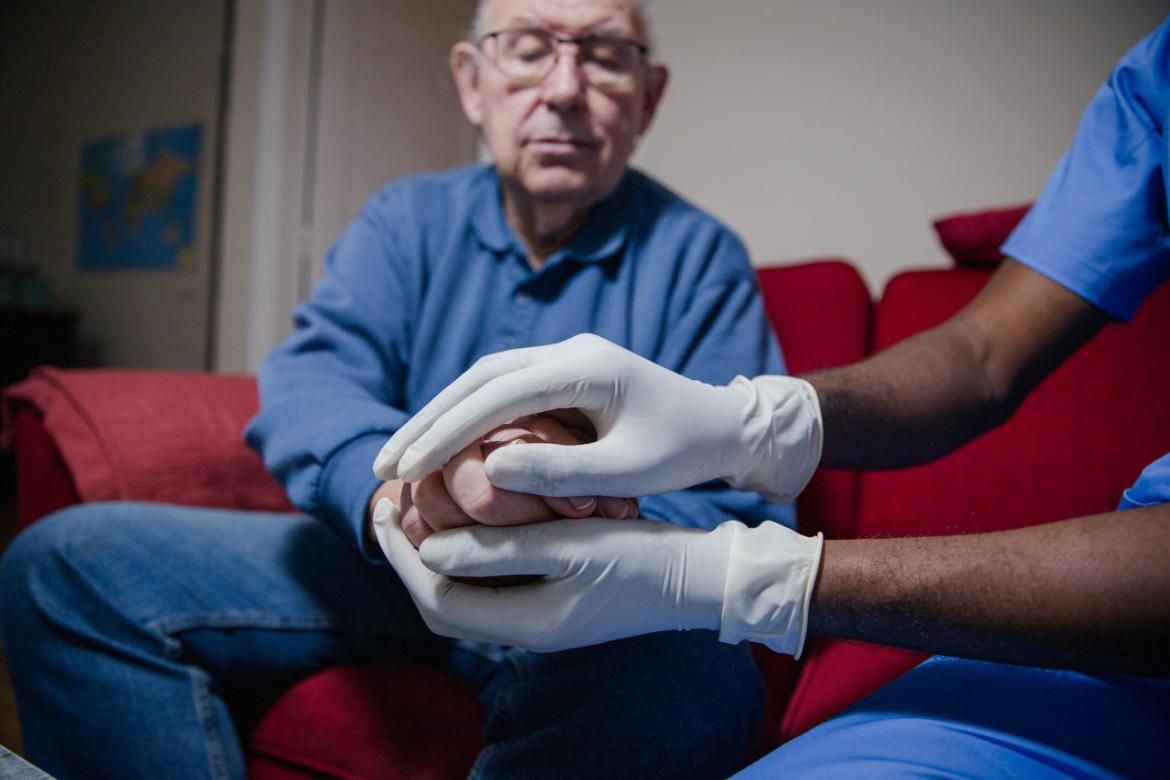
Parkinson's rehabilitation is a treatment approach used to improve the quality of life of individuals with Parkinson's disease, improve motor skills and daily functions, reduce mobility limitations, and maintain independence. Parkinson's disease is a neurological disorder caused by the loss of dopamine-producing cells in the brain.
What is Parkinson's Rehabilitation?
Parkinson's rehabilitation involves a multidisciplinary team approach and may involve healthcare professionals from different disciplines, such as physiotherapy, occupational therapy, speech therapy, and psychological support. Treatment is personalized to meet the individual's specific needs and symptoms.
What are the symptoms of Parkinson's disease?
Symptoms of Parkinson's disease typically appear gradually and progress over time. Each person with Parkinson's disease may experience different symptoms, and they can vary from person to person. However, common symptoms of Parkinson's disease may include:
- Shake
- slow motion
- Muscle stiffness
- Balance problems
- Disturbance in movement automation
Other common Parkinson's symptoms may include:
- Loss of expression in facial muscles
- Difficulty speaking (rapid, unintelligible, or monotonous speech)
- Rigidity (resistant muscle tension)
- “On-off” states that respond to mitigating factors (the effects of medications may decrease or increase at certain times)
- Mood changes (depression, anxiety, sleep disturbances)
- Difficulty writing (microgyria)
- Symptoms that respond well to surgical treatments (such as deep brain stimulation)
Evaluation by a neurologist is important to diagnose Parkinson's disease.
How is Parkinson's Rehabilitation Done?
- Physiotherapy : Physiotherapy consists of exercises designed to improve movement and balance in patients with Parkinson's disease. These exercises are designed to increase muscle strength, maintain flexibility, increase range of motion, and improve walking skills. The physiotherapist determines an appropriate exercise program for the patient, and the patient learns the correct techniques.
- Occupational Therapy: Occupational therapy teaches strategies to perform activities of daily living (dressing, eating, bathing, etc.) more independently. The occupational therapist makes recommendations for organizing the patient's home and work environment, using adaptive devices, and streamlining daily routines.
- Speech Therapy: As Parkinson's disease progresses, speech and swallowing problems may arise. Speech therapy involves techniques to improve voice control, speech rate, and swallowing skills. A speech therapist works to ensure the patient uses proper breathing techniques, strengthens speech muscles, and speaks clearly and intelligibly.
- Medication: Medication is often used to manage the symptoms of Parkinson's disease. Parkinson's rehabilitation is administered in conjunction with medication and collaborates with the patient to optimize medication dosage and timing.
- Deep Brain Stimulation (DBS): Deep brain stimulation may be used in some people with Parkinson's disease who have not responded to medication or have limited benefit due to medication side effects. This is a surgical procedure that involves implanting electrodes into areas of the brain. DBS helps regulate the brain's electrical activity to manage Parkinson's symptoms.
Parkinson's rehabilitation can vary depending on an individual's symptoms and needs. Treatment may require individual goals, regular follow-up, and regular exercise programs.
How Should Physiotherapy and Exercise Be in Parkinson's?
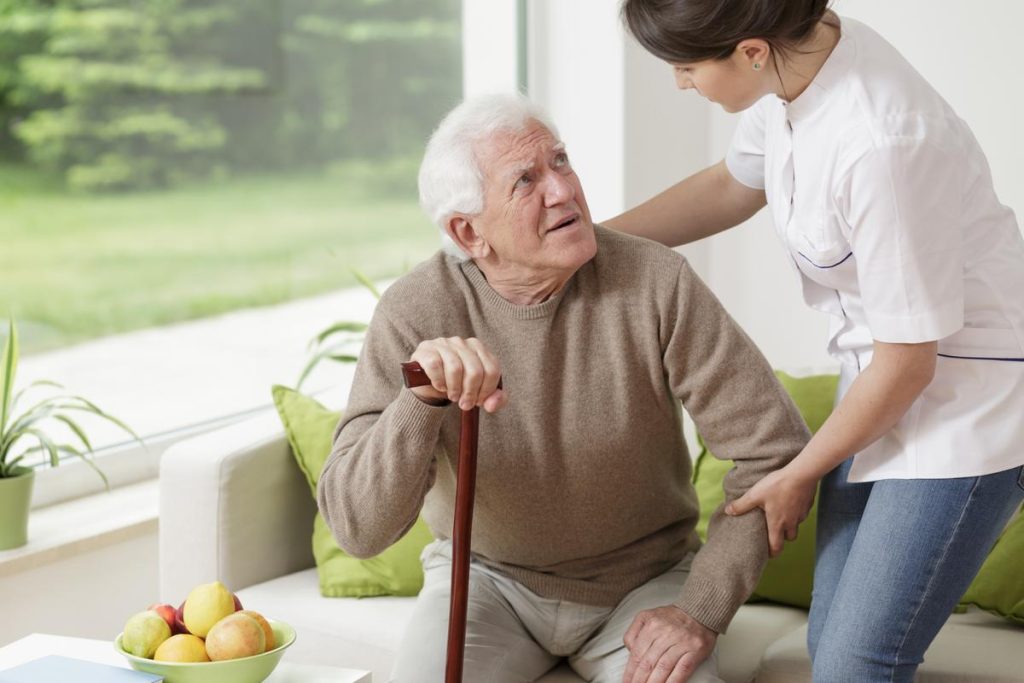
Physiotherapy and exercise are important treatment methods for Parkinson's disease, aiming to improve patients' mobility and quality of life. Physiotherapy and exercise programs should be tailored to the individual needs of patients and the stage of the disease. Some points to consider regarding physiotherapy and exercise for Parkinson's patients:
- Individualized Program: Because each person with Parkinson's disease has different symptoms and needs, physical therapy and exercise programs must be individualized. A physical therapist or exercise specialist should conduct an individualized assessment and develop a personalized program based on the patient's strengths and weaknesses.
- Stretching and flexibility exercises: Muscle stiffness and limited movement are common in people with Parkinson's disease. Stretching and flexibility exercises increase muscle flexibility and increase range of motion. These exercises also improve joint mobility and muscle flexibility.
- Strengthening exercises : Muscle strength may decrease in people with Parkinson's disease. Strengthening exercises are important for increasing muscle strength and preventing muscle atrophy. Strengthening muscle groups is targeted using resistance bands , weights, or exercise machines.
- Coordination and balance exercises : People with Parkinson's often experience balance problems. Coordination and balance exercises aim to balance the body, control posture, and reduce the risk of falls. For example, exercises that involve simultaneous execution of various movements while walking can be implemented.
- Aerobic exercise: Aerobic exercise improves heart and lung health, increases overall endurance, and boosts energy levels. Suitable aerobic exercises for people with Parkinson's disease can include low-impact exercises such as walking, cycling, dancing, and swimming.
- Rhythmic Movement Exercises: Rhythm and coordination skills may be impaired in people with Parkinson's. Rhythmic movement exercises involve regular movements performed to music or a metronome. Exercises such as dance therapy, Tai Chi, or rhythmic sports can be used for this purpose.
- Movement awareness and direction: People with Parkinson's disease may have difficulty initiating and maintaining movements. Physical therapists teach patients proper movement techniques and help them develop movement awareness and direction skills.
Physiotherapy and exercise programs for Parkinson's disease should be tailored to the stage of the disease, individual needs, and the individual's physical condition. Therefore, it is important to collaborate with a physical therapist or exercise specialist.
Who is Eligible for Parkinson's Rehabilitation?
Parkinson's rehabilitation is applied to individuals with Parkinson's disease. Parkinson's disease is a condition that typically develops in older adults and causes progressive deterioration of the nervous system. Therefore, Parkinson's rehabilitation is generally more common in individuals over the age of 60.
Parkinson's rehabilitation is designed to improve the quality of life of people with Parkinson's, improve movement skills, enable them to perform daily activities independently, reduce balance problems and improve overall physical function.
Parkinson's rehabilitation can also be applied to individuals at different stages of Parkinson's disease. Patients in the early stages may require a different rehabilitation program than those in the more advanced stages. Therefore, Parkinson's rehabilitation should be tailored to the individual needs of the patient and the stage of the disease.
Primary Goals of Parkinson's Rehabilitation
- Improving mobility: Parkinson's disease can cause limitations and difficulties in movement. Rehabilitation aims to increase patients' mobility. This means improving muscle strength and flexibility, increasing range of motion, improving balance, and supporting walking skills.
- Facilitating activities of daily living: People with Parkinson's disease may experience difficulties performing activities of daily living (dressing, eating, bathing, etc.). Rehabilitation teaches strategies to facilitate independent performance of these activities. The patient learns appropriate techniques and, if necessary, uses adaptive devices.
- Improving posture and posture: Parkinson's disease can lead to posture and posture problems. Rehabilitation provides exercises and techniques to support proper posture and posture. This may include maintaining back and spine health, correcting posture problems, and managing height.
- Improving speech and swallowing skills: People with Parkinson's disease may experience speech and swallowing difficulties. Rehabilitation provides speech therapy and exercises to improve these skills. A speech therapist teaches proper breathing techniques, strengthens speech muscles, and helps people speak clearly and intelligibly.
- Improving quality of life: Parkinson's disease often negatively impacts activities of daily living, social interactions, and quality of life. Rehabilitation aims to improve patients' independence, self-confidence, and quality of life. This may include supporting social interactions, improving social skills, and enabling patients to pursue hobbies.
Parkinson's rehabilitation goals can vary depending on individual needs and the stage of the disease. A specialist rehabilitation team will assess the patient's condition and develop an appropriate rehabilitation plan.
The Importance of Physiotherapy in Parkinson's Disease
Parkinson's disease is a neurological disorder caused by a dopamine deficiency in the nervous system. This disease affects movement control, manifesting as shaking, rigidity (muscle stiffness), slowing, balance problems, and overall deterioration in physical function. Therefore, a multidisciplinary approach is essential in treating Parkinson's disease, and physiotherapy plays a crucial role in improving patients' quality of life.
Physiotherapy aims to improve motor skills and function in people with Parkinson's disease. Below are some points that demonstrate the importance of physiotherapy in Parkinson's disease:
- Improving mobility: Physical therapists use exercise programs and rehabilitation techniques to improve movement skills and strength in people with Parkinson's disease. This can reduce muscle stiffness, increase flexibility, and give patients more control over their movements.
- Improving balance and coordination: People with Parkinson's disease may experience balance and coordination issues. Physical therapists can help patients improve their balance skills through balance exercises and specialized techniques. This is important for preventing falls and allowing them to perform activities of daily living more independently.
- Improving movement control and functional independence: As Parkinson's disease progresses, performing daily activities can become difficult. Physical therapists provide customized exercise programs and strategies to help patients improve movement control and enable them to perform activities of daily living more independently.
- Medication can help support symptoms : Medications for Parkinson's disease can help manage symptoms. Physical therapists can help enhance the effectiveness of physical therapy in conjunction with medication. By improving movement and function, they can prolong the relief patients receive from medication.
- Patient education: Physical therapists provide education about the disease to people with Parkinson's and their families. This education helps patients learn how to manage symptoms, reduce their risk of falls, and techniques for exercising safely at home.
Consequently, physical therapy plays a crucial role in improving the quality of life of individuals with Parkinson's disease. Physical therapists help patients improve physical function, improve movement skills, facilitate activities of daily living, and increase independence. Therefore, as part of a multidisciplinary treatment approach, physical therapy can help people with Parkinson's disease lead healthy and active lives.
