



What is the Ketogenic Diet and How is it Done?
The ketogenic diet is a low-carb, high-fat eating plan. Its goal is to put the body in a metabolic state called ketosis. Normally, the body uses carbohydrates as a source of energy. However, with the ketogenic diet, carbohydrate intake is restricted and fat intake is increased instead.
The ketogenic diet forces the body to use fat for energy by putting it in a state called ketosis. When carbohydrate intake is too low, the body burns fat stores and produces ketone bodies. Ketones are an alternative fuel source that can be used for energy.
This diet has a specific ratio of carbohydrates, fats, and proteins. Typically, approximately 70-75% of daily calories come from fat, 20-25% from protein, and 5-10% from carbohydrates. These ratios can vary depending on a person's goals, health status, and activity level.
What are the types of ketogenic diets?
- Standard Ketogenic Diet (SKD): The standard ketogenic diet is the most commonly used type of ketogenic diet. This diet plan restricts daily carbohydrate intake to approximately 20-50 grams. Protein intake is moderate, while fat intake is high.
- Targeted Ketogenic Diet (TKD): The targeted ketogenic diet is a preferred option for athletes and active individuals. This diet plan involves consuming small amounts of carbohydrates before and after exercise. This can help improve performance and maximize exercise benefits.
- Cylindrical Ketogenic Diet (CKD): The cylindrical ketogenic diet is designed for athletes and highly active individuals. This diet plan involves alternating between low-carb and high-carb days weekly. On low-carb days, you maintain a state of ketosis, while on high-carb days, you increase your carbohydrate intake to replenish muscle glycogen stores.
- High-Protein Ketogenic Diet (HPKD): The high-protein ketogenic diet is an option that maintains slightly higher protein intake than the standard ketogenic diet. This diet plan increases protein intake while keeping daily carbohydrate intake low. This type of diet can help preserve muscle mass and promote weight loss.
What are the benefits of a ketogenic diet?
- Weight loss: The ketogenic diet may promote weight loss. Limiting carbohydrate intake can help the body use fat stores for energy and lose weight. The ketogenic diet may also be effective in controlling appetite and increasing feelings of fullness.
- Blood sugar regulation: The ketogenic diet can help regulate blood sugar levels. Reducing carbohydrate intake can prevent blood sugar fluctuations and improve insulin sensitivity. This can help manage diabetes.
- Increased energy levels: A ketogenic diet can increase energy levels. When the body is in ketosis, it uses fat for energy and can provide more consistent energy. A ketogenic diet can be a good choice to overcome carbohydrate dependence and reduce energy fluctuations.
- Brain Health: The ketogenic diet may have brain-health-supporting effects. In ketosis, ketone bodies are used as an energy source for the brain. This can improve concentration, support cognitive function, and improve memory. Therefore, the ketogenic diet is also used in the treatment of epilepsy.
- Reduced inflammation: The ketogenic diet is thought to reduce inflammation levels in the body. While high carbohydrate intake can increase inflammation in some people, the low carbohydrate content of the ketogenic diet may have inflammatory effects.
However, each individual's body type, health status, and goals are different. Therefore, it's important to evaluate the individual benefits of a ketogenic diet and speak with a healthcare professional before implementing it. It's also important to learn about long-term effects and potential side effects.
How to plan ketogenic diets?
- Carbohydrate restriction: The ketogenic diet is based on low carbohydrate intake. It's typically recommended to limit your daily carbohydrate intake to 20-50 grams. This amount can vary depending on your personal goals, activity level, and metabolism.
- Protein Determination: Protein intake on the ketogenic diet is moderate. Protein helps maintain muscle and promotes satiety. You can generally calculate your daily protein intake based on your body weight. The recommended range is 0.6-1 grams of protein per kilogram of body weight.
- Increase fat intake: A key feature of the ketogenic diet is its high fat intake. Consuming adequate amounts of healthy fats is crucial for the body to enter ketosis and utilize ketones for energy. Choose healthy fat sources like avocado, olive oil, coconut oil, butter, nuts, and seeds.
- Fiber intake: Since the ketogenic diet limits carbohydrate intake, fiber intake may also decrease. Therefore, it's important to include fiber-rich vegetables (broccoli, spinach, lettuce, etc.), chia seeds, and flaxseeds in your diet.
- Water and electrolytes: The ketogenic diet has a diuretic effect, which can cause dehydration and electrolyte imbalances. It's important to drink plenty of water and supplement electrolytes like sodium, potassium, and magnesium. This is important to compensate for dehydration and reduce side effects.
- Meal planning: When planning your ketogenic diet, you should focus on low-carb protein sources (meat, seafood, eggs), healthy fats (avocado, olive oil, coconut oil), and fibrous vegetables. You can plan your meals based on these key food groups to create a balanced diet.
- Monitor and adjust: It's important to monitor your body's response while following a ketogenic diet. Monitor yourself regularly to assess the suitability of the ketogenic diet for you, your energy levels, weight loss, and overall health. If necessary, consult a nutritionist to adjust your macronutrient distribution and portion sizes.
Side effects of the ketogenic diet
- Ketogenic flu: Some people may experience symptoms called "ketogenic flu" at the beginning of a ketogenic diet. These symptoms can include headache, fatigue, nausea, dizziness, irritability, and difficulty concentrating. These symptoms typically occur as the body transitions from carbohydrates to ketones and can last from a few days to a few weeks.
- Electrolyte imbalance: The ketogenic diet can affect fluid and electrolyte balance in the body. Due to the low carbohydrate intake, urine production increases, which can lead to the loss of important electrolytes such as sodium, potassium, and magnesium. Electrolyte imbalances can cause symptoms such as headaches, fatigue, muscle cramps, and constipation.
- Digestive issues: The ketogenic diet can sometimes cause digestive issues. These can include constipation, diarrhea, stomach upset, and gastrointestinal discomfort. This is often due to decreased fiber intake and inadequate fluid intake.
- Sleep problems: Some people may experience sleep problems while following a ketogenic diet. This may be due to the ketogenic diet's potential impact on melatonin and serotonin levels. Insomnia, poor sleep quality, and difficulty falling asleep may all occur.
- Potential dietary restrictions: The ketogenic diet requires restricting certain food groups. Because carbohydrate intake is limited, the amount of carbohydrate-containing foods, such as fruits, grains, and legumes, is restricted. This may lead to a lack of dietary diversity and vitamin and mineral deficiencies in some individuals.
List of foods to eat on a ketogenic diet
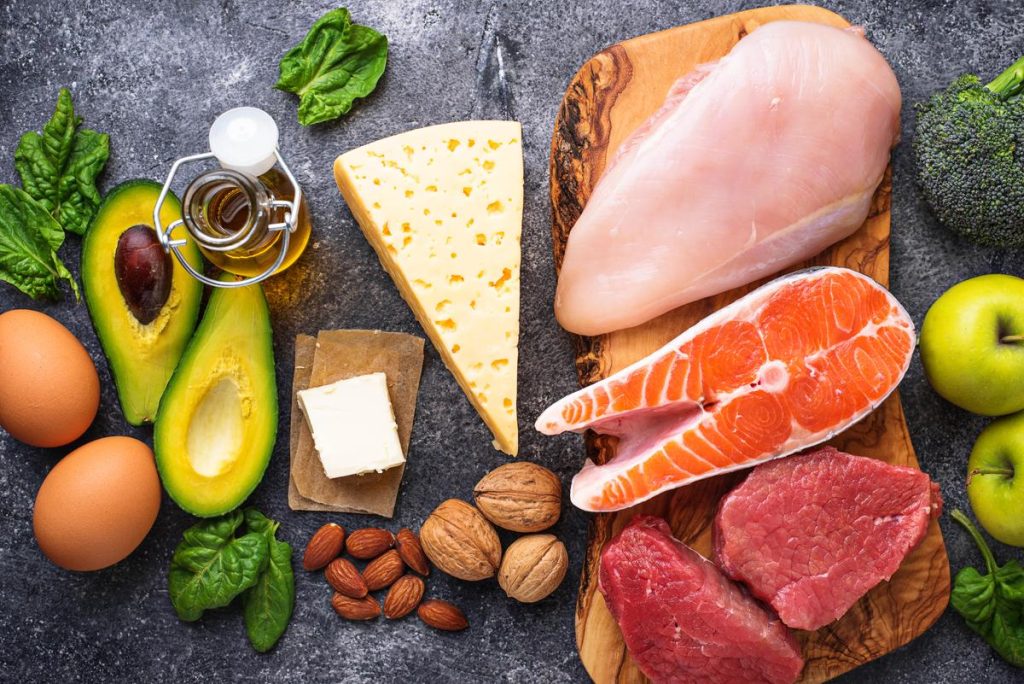
Foods to eat on a ketogenic diet are generally low in carbohydrates, high in fat, and moderate in protein. Here's a list of some foods you can eat on a ketogenic diet:
Protein sources:
- Meat: Chicken, turkey, steak, red meat, pork, lamb.
- Seafood: Salmon, sardines, mackerel, trout, shrimp, oysters, crab.
- Eggs: Free-range eggs.
- Dairy products: Full-fat cheeses, butter, cream, yogurt (low-carb ones should be preferred).
Healthy fats:
- Avocado : Avocado oil, fresh avocado.
- Olive oil: Extra virgin olive oil.
- Coconut oil: Pure coconut oil.
- Butter: Organic butter.
- Nuts and seeds: Almonds, walnuts, hazelnuts, chia seeds, flax seeds, sesame seeds.
Vegetables:
- Green leafy vegetables: Spinach, chard, lettuce, arugula, leafy greens.
- Broccoli and cauliflower: They are among the vegetables of the ketogenic diet.
- Cabbage: White cabbage, red cabbage, Brussels sprouts.
- Zucchini: Can be used as zucchini spaghetti.
- Pepper: Green pepper, red pepper, yellow pepper.
Snacks:
- Nuts : Almonds, walnuts, peanuts, Brazil nuts, pumpkin seeds.
- Seeds: Sunflower seeds, sesame seeds, chia seeds, flax seeds.
- Avocado: Avocado can be consumed in slices or guacamole.
- Cheese slices: Full-fat cheese can be consumed in slices.
This is only a sample list and includes the essential foods of the ketogenic diet. It's important to consult a nutritionist for recipes and diet planning to create a list tailored to your individual needs. Additionally, the effects of certain foods may vary depending on your body's tolerance, so it's important to consider your personal experience.
List of foods to avoid on a ketogenic diet
Foods to avoid on a ketogenic diet are generally high-carb foods. Here's a list of some foods to generally avoid on a ketogenic diet:
- Sugary foods: All foods and drinks containing sugar, such as sugar, honey, molasses, jam, candies, cakes, cookies, ice creams, sweet drinks, should be avoided.
- Grains : Wheat, barley, rye, oats, rice, corn, bulgur, flour and bakery products (bread, pasta, pastries, cakes, etc.) should be limited or mostly avoided during the ketogenic diet.
- Starchy vegetables: Due to the high carbohydrate content in starchy vegetables such as potatoes, sweet potatoes, carrots, peas, and corn, their consumption should be limited.
- Fruits: Most fruits are high in carbohydrates, so they should generally be consumed in limited amounts during a ketogenic diet. Tropical fruits (bananas, pineapple, mango, grapes), peaches, and dried fruits (raisins, dried apricots, dried figs) should be avoided in particular. Some lower-carb fruits, such as strawberries, blackberries, and raspberries, are recommended.
- Legumes: Legumes such as peas, chickpeas, lentils, and beans contain high amounts of carbohydrates, so they should be restricted or avoided during the ketogenic diet.
- Sugary and high-carb beverages: Limit consumption of sodas, fruit juices, energy drinks, sweetened teas, sweetened coffee drinks, and alcoholic beverages. Even carefully selected low-carb alcoholic beverages should be consumed in limited amounts.
Everyone's body structure and tolerance are different, so it's important to create a nutrition plan that suits your personal needs.
What should be the snacks in the ketogenic diet?
Snacks are acceptable as part of a ketogenic diet, but they should be low-carb and high-fat. Some suitable snack options for a ketogenic diet include:
- Avocado slices: Sliced avocado can be enjoyed with a sprinkle of salt and pepper. Avocados contain healthy fats and fiber.
- Cheese slices: Full-fat cheeses are good snack options, such as cheddar, parmesan, mozzarella slices, or small blocks.
- Olives: Green or black olives are a great snack option that is low in carbohydrates and rich in healthy fats.
- Nuts and seeds: Nuts such as almonds, walnuts, peanuts, pine nuts, and seeds such as sunflower seeds, sesame seeds, and chia seeds are ideal snacks for the ketogenic diet.
- Yogurt: Low-carb yogurts can be a good snack option as part of a ketogenic diet. It's especially important to choose full-fat yogurts.
- Vegetable slices and dip: Low-carb vegetables such as cucumber, celery, zucchini, and cucumber can be sliced and consumed with ketogenic-compatible dips such as guacamole, yogurt dip, and hummus.
- Chicken or turkey slices wrapped in mustard and mayonnaise: You can make a ketogenic-friendly snack by wrapping chicken or turkey slices with mustard or mayonnaise.
Remember, it's important to adjust the amount and frequency of snacks to your own needs. Because the ketogenic diet promotes a feeling of fullness, some people may not need snacks. However, if snacks provide energy and satisfaction, you can choose from the options above.
Who should not do a ketogenic diet?
- Pancreas, liver, or gallbladder problems: Because the ketogenic diet alters metabolism and promotes ketosis, it may not be suitable for people with pancreas, liver, or gallbladder problems. Fat digestion and metabolism may be affected in these individuals.
- Diabetes: People with diabetes should consult their doctor before following a ketogenic diet, as it can affect blood sugar levels and alter insulin requirements. This may require adjustments to medication dosages.
- Thyroid issues: The ketogenic diet may affect thyroid function in some individuals. It's especially important for those with hypothyroidism (underactive thyroid) to consult their doctor before following a ketogenic diet.
- Pregnancy and breastfeeding: A ketogenic diet during pregnancy and breastfeeding may not meet the nutritional needs of both mother and baby. During these periods, it's best to follow a balanced eating plan and follow your doctor's recommendations.
- Eating disorders and nutritional disorders: The ketogenic diet may trigger or worsen eating disorders in some individuals. Therefore, it is important for people with eating disorders or nutritional disorders to consult a healthcare professional before following a ketogenic diet.
- Drug interactions: Some medications can interact with the ketogenic diet and lead to adverse effects. Therefore, people taking regular medications should consult their doctor before following a ketogenic diet.
How long does it take to lose weight on a ketogenic diet?
Weight loss duration on a ketogenic diet can vary from person to person. This is because the rate of weight loss depends on many factors, including starting weight, targeted weight loss, gender, age, genetics, physical activity level, and metabolic rate.
Rapid weight loss is often experienced at the beginning of a ketogenic diet. This is because the body depletes its glycogen stores and loses water. Due to this water loss, weight loss may be more noticeable in the first few weeks. However, in later stages, the rate of weight loss usually slows and becomes more consistent.
On average, a ketogenic diet can result in weight loss of between 0.5 and 1 kilogram per week. However, this is not a generalization and individual results may vary.
Can the ketogenic diet be done permanently?
- Health condition: A ketogenic diet may be recommended for certain health conditions, such as epilepsy or certain metabolic disorders. In these cases, a ketogenic diet may be necessary as a long-term treatment.
- Personal goals: Some people follow a ketogenic diet simply to lose weight and then transition to a regular eating plan once they reach their goals. Others embrace it as a long-term lifestyle because they appreciate the boost in energy and focus it provides and find it improves their overall health.
- Ease of implementation: The ketogenic diet can be challenging for some people. Restricting carbohydrate intake can be challenging, especially at social events or during travel. Therefore, some people may choose to follow the ketogenic diet occasionally or take a more flexible approach rather than following it permanently.
Whether or not to follow a ketogenic diet consistently depends on personal preferences, health status, and goals. If you're considering a long-term ketogenic diet, it's important to consult with a professional and create a balanced diet to meet your nutritional needs.
