



What is CRP? CRP Test
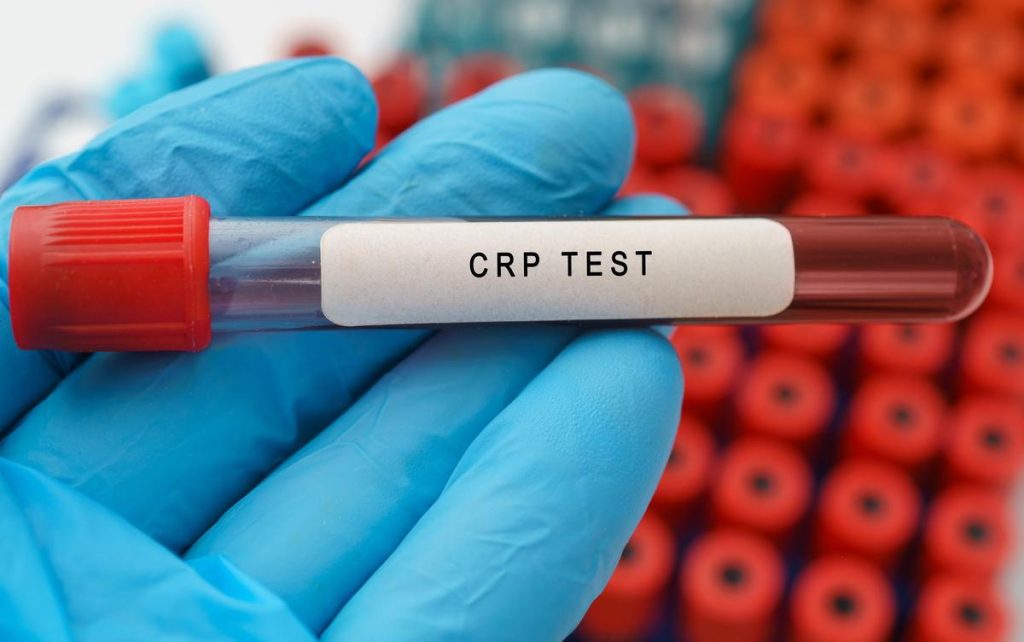
CRP (C-reactive protein) is a protein produced when inflammation or tissue damage occurs in the body. When inflammation or tissue damage occurs, CRP levels rise, and it is part of an immune response known as a type of acute-phase reactant. CRP is produced in the liver and released into the blood.
Elevated CRP levels can indicate various inflammatory and infectious conditions. Therefore, CRP testing can be used by doctors to evaluate the presence or severity of infections, autoimmune diseases such as rheumatoid arthritis, tissue damage, or cardiovascular disease.
CRP levels are usually expressed in units of micrograms per milliliter (mg/L).
It is normally found at low levels but is elevated in conditions such as infections, autoimmune diseases such as rheumatoid arthritis, systemic lupus erythematosus, acute cardiovascular events such as heart attack or stroke, or some types of cancer.
Because CRP is a nonspecific marker, elevated CRP levels do not provide a definitive diagnosis. However, when evaluated alongside other clinical findings, they can help determine the presence or progression of a disease. A CRP test is usually performed as a blood test.
Why is a CRP test requested? What is it measured for?
The CRP (C-reactive protein) test is a blood test ordered to evaluate various clinical conditions. Some common uses of the CRP test include:
- Inflammation detection: CRP levels are used to detect inflammation occurring in the body. Conditions such as infections (bacterial or viral), tissue damage, autoimmune diseases such as rheumatoid arthritis, inflammatory conditions such as vasculitis, and some types of cancer can cause CRP levels to rise.
- Infection detection: The CRP test can be used to assess the presence or severity of infections. CRP levels are particularly elevated in bacterial infections. For example, infections such as pneumonia, urinary tract infections, or appendicitis can increase CRP levels.
- Cardiovascular disease risk: High CRP levels may indicate an increased risk of cardiovascular disease (heart disease, stroke). As a marker of chronic inflammation, CRP levels may reflect processes that contribute to the development of cardiovascular disease.
- Assessing treatment response: In some cases, CRP levels may be monitored to monitor response to treatment. For example, a decrease in CRP levels may be observed after starting treatment for an inflammatory disease.
The CRP test is performed in a laboratory setting by collecting a blood sample. The test results are evaluated along with other clinical findings and the patient's medical history. However, remember that a CRP test alone does not provide a diagnosis. A healthcare professional will evaluate the test results and consider other factors to guide you through the process of reaching a definitive diagnosis and developing a treatment plan.
What are the symptoms of high CRP?
Elevated CRP (C-reactive protein) levels are not usually a sign or symptom. This is because CRP is a nonspecific indicator and can be elevated in many different conditions. So, while high CRP levels may indicate the presence of a disease, they don't present specific signs or symptoms. However, high CRP levels are often associated with conditions such as inflammation or infection. Symptoms of these conditions can often include:
- Signs of inflammation: Inflammation can manifest as localized swelling, redness, warmth, and pain. For example, in cases of arthritis, pain, swelling, and limited movement in the affected joints can occur.
- Signs of infection: Bacterial or viral infections may cause symptoms such as a general feeling of illness, fever, chills, fatigue, headache, muscle aches, cough, and runny nose. Specific signs of infection may vary depending on the type and location of the infection.
- Signs of cardiovascular disease: High CRP levels may indicate an increased risk of cardiovascular disease. However, symptoms are often subtle or nonspecific. Acute cardiovascular events, such as heart attack or stroke, often present with symptoms, but these symptoms may not be directly related to CRP levels.
What is the normal value of CRP?
CRP (C-reactive protein) levels are usually expressed in units of micrograms per milliliter (mg/L). Normal CRP levels can vary depending on a person's age, gender, and overall health. Below are generally accepted normal CRP ranges:
- Normal level: Generally considered to be between 0 and 5 mg/L.
- Slightly elevated level: between 5 and 10 mg/L.
- Moderately elevated: between 10 and 30 mg/L.
- Highly elevated: above 30 mg/L.
However, these ranges can vary depending on the laboratory and the measurement methods used. Therefore, it is important to consider the laboratory-determined reference ranges when interpreting test results.
How to lower CRP in blood?
- Reduce factors that cause inflammation: Factors like smoking, obesity, low physical activity, high stress levels, and poor nutrition can cause inflammation in the body and increase CRP levels. Therefore, it's important to adopt a healthy lifestyle by quitting smoking, exercising regularly, adopting a healthy diet, managing stress, and keeping your weight under control.
- Adopt a healthy diet: Consuming foods containing omega-3 fatty acids, along with foods with anti-inflammatory effects, can lower CRP levels. These include fatty fish (salmon, mackerel, sardines), flaxseed, chia seeds, and walnuts. It's also important to eat a diet rich in fruits, vegetables, whole grains, and healthy fats.
- Weight loss: If you're overweight, losing weight can lower CRP levels. Obesity can cause chronic inflammation in the body and increase CRP levels. Losing weight through a healthy diet and regular exercise program can lower CRP levels by reducing inflammation.
- Manage stress: Chronic stress can increase inflammation in the body and elevate CRP levels. To manage stress, you can try relaxation techniques, meditation, and yoga.
- Medication: In some cases, medication may be necessary to lower high CRP levels. It's important to consult a healthcare professional to determine the appropriate treatment method.
How is high CRP treated?
High CRP (C-reactive protein) is generally not a symptom or disease, but rather an indicator of inflammation or infection within the body. Therefore, treatment for high CRP focuses on treating the underlying disease. Here are common approaches to treating high CRP:
- Treating infection: Elevated CRP levels can be an indicator of infection. If an infection is detected, it should be treated with appropriate antibiotics or antiviral medications.
- Inflammation control: Treatments aimed at reducing inflammation can lower CRP levels. These may include medications such as nonsteroidal anti-inflammatory drugs (NSAIDs), corticosteroids, or immune-modulating drugs. However, these treatments vary depending on the underlying disease and symptoms and should be prescribed by a doctor.
- Treating autoimmune diseases: High CRP levels can be a symptom of autoimmune diseases. Autoimmune diseases are conditions that cause the body to attack its own tissues. Treatment may include immunosuppressive medications, corticosteroids, or other immune-modulating drugs. The goal of these treatments is to regulate the immune system's response and control inflammation.
- Lifestyle changes: Adopting a healthy lifestyle can lower CRP levels. This may include steps such as regular exercise, adopting a healthy diet, managing weight, quitting smoking, and managing stress.
