


Pregnancy Symptoms
What are the signs of pregnancy ? The early stages of pregnancy include the time when the embryo implants in the uterus and begins to develop. This period is usually calculated from the first day of the last menstrual period and lasts approximately 40 weeks. The first stage is implantation, which occurs after fertilization.
Fertilization occurs when a sperm cell fertilizes an egg. The egg waits in one of the fallopian tubes for fertilization, and after fertilization, a zygote (cell union) forms. The zygote begins its journey to the uterus, a journey that can take approximately 6-12 days. During this time, the zygote continues to divide and develop into an embryo.
Implantation is the stage when the embryo implants in the uterus. It usually occurs between 6 and 12 days after fertilization. The embryo attaches to the lining of the uterus, where it relies on the mother's bloodstream for nutrients and oxygen. Some women may experience light bleeding or spotting during this stage.
During this early stage of pregnancy, hormonal changes and the body's adaptation process begin. However, every woman's experience is different, and some may not experience these symptoms at all.
This period, known as the first trimester, is the most sensitive and critical period during pregnancy. The fundamental structures of organs and systems begin to form during this period. Therefore, it is important to adopt a healthy lifestyle during pregnancy, including a balanced diet, regular exercise, avoiding smoking, and limiting alcohol and medication. Prenatal vitamin supplements should also be taken as recommended by your doctor.
Because the early stages of pregnancy are a critical period for a baby's development, regular prenatal checkups are important. These checkups evaluate the baby's growth, maternal health, blood pressure, blood tests, and ultrasounds.
When do pregnancy symptoms begin? What are the symptoms?
The first signs of pregnancy often appear with a missed period. When a period is late, many women choose to take a pregnancy test. However, some women may notice pregnancy symptoms before their period. Some possible signs of pregnancy include:
- Missed Period: The most obvious sign of pregnancy is a deviation from your normal menstrual cycle or a missed period. However, some women may experience light bleeding or spotting.
- Breast Tenderness and Enlargement: During pregnancy, breast tissue may become tender, fuller, and the nipples may darken. Breast enlargement and tenderness are common symptoms.
- Nausea and Vomiting: Nausea, also known as morning sickness, is a common symptom of early pregnancy. Nausea is often more noticeable in the morning, but it can persist throughout the day.
- Fatigue and Weakness: Feelings of fatigue can occur during pregnancy due to increased hormone levels and changes in the body. This symptom is common in the early stages of pregnancy.
- Frequent Urination: As the uterus grows during pregnancy, it puts pressure on the bladder, which can increase the need to urinate frequently.
- Digestive Issues : Pregnancy symptoms can include digestive issues like heartburn, indigestion, constipation, or diarrhea. Hormonal changes can have an impact on the digestive system.
- Appetite Changes: Some women experience an increase or decrease in their appetite during pregnancy. Food preferences and taste buds may also change.
- Headaches and Dizziness: Hormonal changes during pregnancy, increased blood volume, and decreased blood pressure can cause headaches and dizziness.
- Skin Changes: Skin changes may occur during pregnancy, such as dark spots (pregnancy mask), acne, or other changes in skin pigmentation.
- Mood and Emotional Changes: Hormonal changes during pregnancy can cause emotional fluctuations. Symptoms such as sudden emotional reactions, restlessness, or sensitivity may occur.
These symptoms can manifest differently in each woman, or some may not experience them at all. Each woman's experience is unique. If you experience pregnancy symptoms or think you may be pregnant, it's important to consult a healthcare professional. It's best to take a pregnancy test and contact your doctor to confirm the diagnosis.

When should a pregnancy test be done?
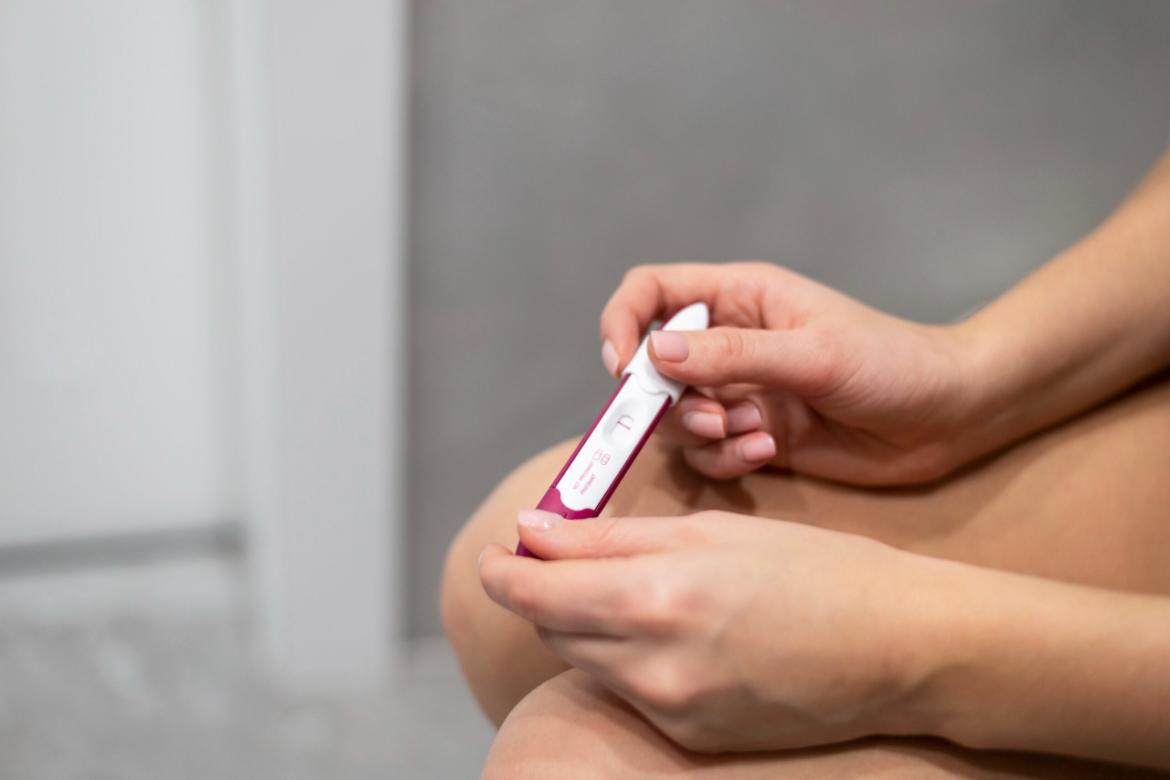
A pregnancy test can be performed after a missed period. These tests are used to detect the pregnancy hormone hCG (human chorionic gonadotropin) from the moment pregnancy begins. Pregnancy tests typically provide reliable results approximately one week after a missed period.
Some pregnancy tests may be sensitive enough to be used a few days before your missed period. However, this can vary depending on the sensitivity of each test and the brand used. If you want to test earlier, it's important to choose a test brand that provides the most sensitive and early results.
Most pregnancy tests are urine tests and are designed for home use. Before taking the test, you should carefully read and follow the instructions correctly. It's usually done by placing the test strip in contact with a stream of urine or urine collected in a container. You may need to wait a certain amount of time (usually a few minutes) to read the test results. If a pregnancy test is positive, meaning it indicates you are pregnant, it's important to consult a healthcare professional. Your healthcare professional is an important tool for confirming your pregnancy and taking the necessary steps to begin prenatal care.
Can a 1-week pregnancy test show up?
Pregnancy tests typically fail to detect pregnancy within one week. Pregnancy tests are used to detect the pregnancy hormone hCG (human chorionic gonadotropin). HCG begins to be produced as soon as pregnancy begins, but its levels gradually increase after fertilization.
After fertilization, it can take several days for the embryo to reach the uterus and implantation to occur. HCG levels rise slowly after implantation and generally provide reliable results on tests when your period is late. Therefore, taking a pregnancy test approximately one week after your period is late is generally more accurate.
However, some pregnancy tests are sensitive enough to be used a few days before your period. These tests can detect lower levels of hCG, although this can vary depending on each test brand and model.
If you're experiencing pregnancy symptoms and you're at a point where your period isn't yet late and you want to test sooner, it's important to choose a test brand that provides the most sensitive and early results. However, it's still best to wait until after your period is late to ensure the test results are reliable.
Things not to do in the first weeks of pregnancy
The first weeks of pregnancy are a crucial time for embryo development and organ formation. It's important to take precautions during this time, as certain activities or situations can potentially harm the pregnancy. Some things to avoid during the first weeks of pregnancy include:
- Alcohol and tobacco consumption : Alcohol and tobacco use can have serious effects on a baby's health and can cause birth defects, miscarriage, or premature birth. Therefore, it's very important to avoid alcohol and tobacco during pregnancy.
- Medication Use: Some medications used during pregnancy can harm the baby. Therefore, if you learn you are pregnant, you should always consult your doctor before using any medication. Your doctor will advise you on safe and appropriate medications.
- Additional Vitamins and Herbal Supplements: Vitamin and mineral needs increase during pregnancy, but it's important to be careful when taking supplements. You should consult your doctor before using any additional vitamins or herbal supplements. Excessive doses of some vitamins can be harmful.
- Excessive Exercise or Strenuous Physical Activity: Excessive exercise or strenuous physical activity can be harmful in the early weeks of pregnancy. Rest and appropriate exercise are essential for the healthy development of the uterus and baby. It's best to discuss your physical activity with your doctor before limiting it or maintaining it at a moderate level.
- High Stress Levels: High stress levels can have negative effects on pregnancy. In the early weeks of pregnancy, it's important to try to reduce stress, practice relaxation techniques, and seek support.
- Exposure to Chemicals: During pregnancy, it's important to avoid exposure to chemicals such as household cleaners, paints, and pesticides. Good ventilation or protective equipment may be necessary when using these substances.
- Hot Water Baths or Saunas: Extremely hot water baths can increase the risk of miscarriage in the early weeks of pregnancy.
- Prolonged exposure to high temperatures: High temperatures can be harmful to the baby's health. Prolonged exposure to high temperatures should be avoided in the early weeks of pregnancy.
- Getting an X-ray: Getting an X-ray in the early weeks of pregnancy can be harmful to the baby's health. However, in some cases, an X-ray may be necessary, and your doctor will take the necessary precautions.
