


What is Good for Diarrhea?
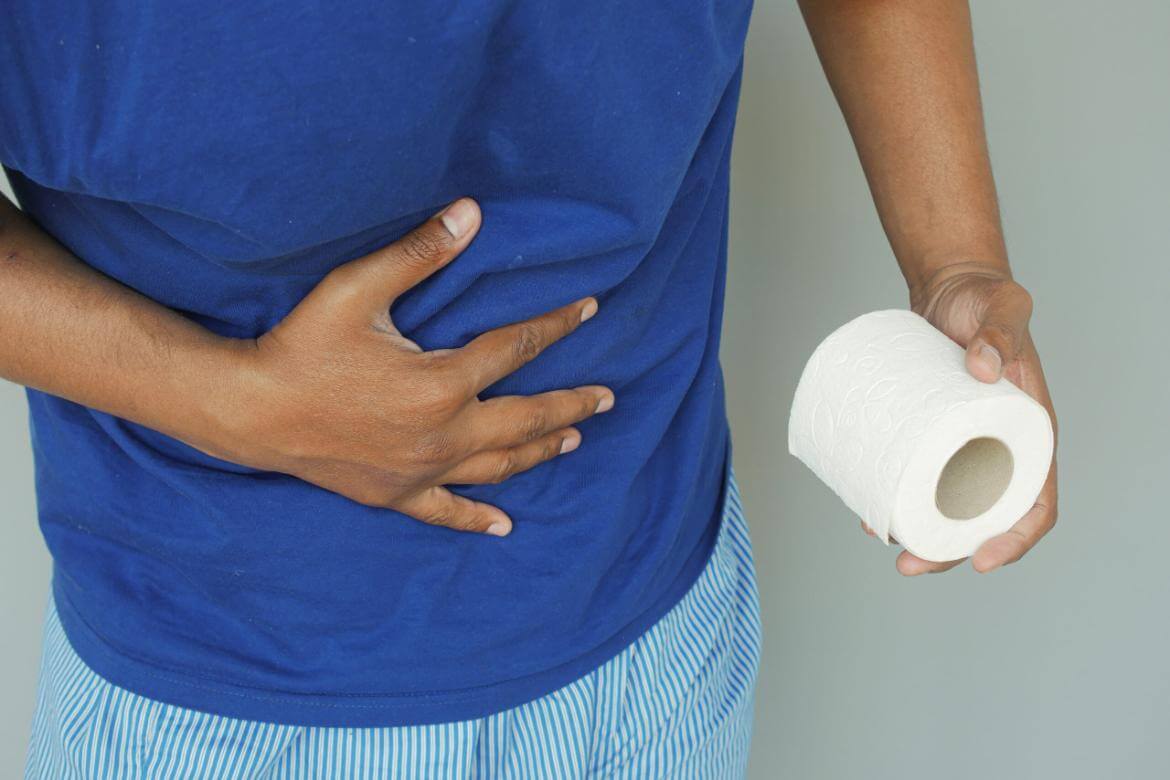
Diarrhea is a condition that occurs as a result of discomfort in the digestive system. It is characterized by increased bowel movements and stools that are more watery and frequent than normal. It can often be caused by a variety of factors, including digestive tract infections, food poisoning, allergic reactions, medication use, stress, dietary changes, or intestinal diseases.
Diarrhea occurs as a result of disruption of the normal water absorption process in the intestines.
In this condition, the intestines work faster than normal and water is not absorbed into the stool sufficiently, causing the stool to become liquid and pass out more frequently.
What causes diarrhea?
Diarrhea can occur for a variety of reasons. Common causes include:
- Digestive tract infections: Viruses, bacteria, or parasites can cause infections in the digestive tract. For example, microorganisms such as norovirus, rotavirus, salmonella, and E. coli can cause diarrhea.
- Food poisoning: Diarrhea can occur as a result of consuming harmful bacteria or toxins found in food. For example, contaminated meat, raw dairy products, or contaminated water or vegetables can cause food poisoning.
- Antibiotic use: Antibiotics can kill beneficial bacteria in the body and disrupt the digestive balance. This can alter intestinal flora and lead to diarrhea.
- Food intolerances or allergies: Food intolerances such as lactose intolerance or food allergies such as gluten intolerance (celiac disease) can cause digestive discomfort and diarrhea.
- Irritable bowel syndrome (IBS): IBS is a chronic digestive disorder that can cause irregular bowel movements and diarrhea. The exact cause of IBS is unknown, but factors such as stress, dietary habits, and changes in intestinal flora may be involved.
- Intestinal diseases: Chronic intestinal diseases such as Crohn's disease and ulcerative colitis can cause diarrhea due to intestinal inflammation.
- Alcohol or caffeine consumption: Excessive alcohol or caffeine consumption can cause diarrhea due to its stimulating effect on the digestive system.
- Stress and anxiety: Stressful situations or anxiety can have an impact on the digestive system and cause diarrhea.
What are the symptoms of diarrhea?
- Watery stools: In diarrhea, stools are waterier, more liquid, and usually more frequent than normal. The stool consistency is different from normal, and you may feel the need to go to the bathroom more frequently.
- Frequent urge to go: Diarrhea can cause frequent bowel movements. This can include three or more bowel movements per day.
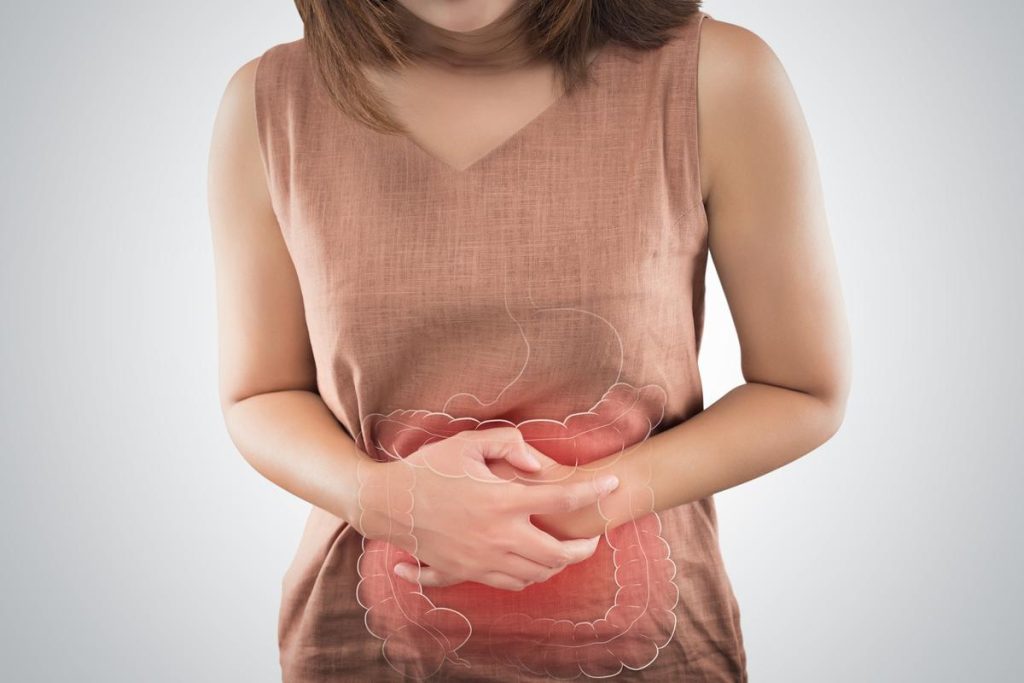
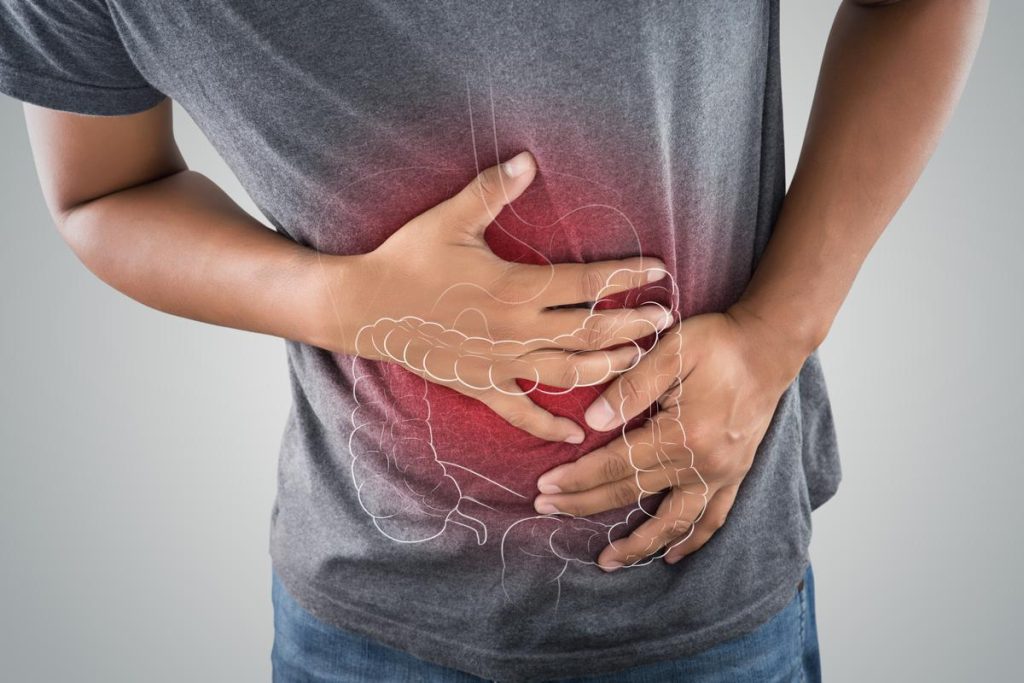
- Abdominal pain and cramps: Pain and cramps in the abdomen may be felt during diarrhea. These pains are usually associated with bowel movements.
- Nausea and vomiting: Nausea and vomiting can occur in some cases of diarrhea. Nausea and vomiting may also accompany conditions such as digestive infections or food poisoning.
- Fever : In cases of severe diarrhea, a fever may occur. This can be the body's way of fighting the infection.
- Weakness and fatigue: Diarrhea causes the body to lose fluids, which can lead to dehydration. This can lead to symptoms such as weakness, fatigue, and low energy.
- Bloody stools: In some cases, blood may appear in the stool during diarrhea. This can be serious and may require medical attention.
- Loss of appetite: Diarrhea can cause a loss of appetite. This loss of appetite can lead to decreased food intake and weight loss.
These symptoms can vary from person to person and depend on the underlying cause of the diarrhea. The duration and severity of diarrhea can vary. In mild cases, symptoms are usually short-lived and resolve spontaneously, while severe or prolonged diarrhea may require medical attention.
What are the transmission modes of diarrhea and how can it be prevented?
Diarrhea can be transmitted in various ways. The most common ways diarrhea is transmitted are as follows:
- Consuming infected foods: Diarrhea is often associated with food poisoning or the consumption of contaminated foods. Raw or undercooked meat, poultry, seafood, dairy products, and eggs, in particular, can be potential sources of infection.
- Consuming dirty or contaminated water: Diarrhea can occur when drinking water is dirty or contaminated. Contaminated water may contain disease-causing bacteria or parasites due to microorganisms present in water sources or pollution.
- Person-to-person contact: Diarrhea can spread through direct contact with an infected person or through contact with their feces. The risk of infection increases, particularly when hygiene practices are poor and handwashing is not practiced.
- Dirty surfaces: Surfaces that have been contaminated or contaminated with infected feces, especially areas such as toilets, door handles, toys, and food preparation areas, can be effective in transmitting diarrhea.
The following precautions can be taken to prevent the spread of diarrhea:
- Hand hygiene: Washing your hands frequently with soap and water is important, especially after using the restroom, after coming home from work, and before preparing food. Hand antiseptics or hand sanitizers can be used.
- Clean drinking water: Ensure that drinking water is safe and clean. If in doubt, use boiled or purified water.
- Food hygiene: Avoid consuming raw or undercooked foods. It's important to cook food thoroughly, store it hygienically, and use separate cutting boards and knives to prevent cross-contamination.
- Hygienic toilet use: It is important to keep toilets clean, wash hands frequently and take appropriate hygienic measures after using toilet paper or cleaning.
- Personal hygiene: It is important to pay attention to personal hygiene rules, especially washing hands after contact with feces, and using clean underwear and sanitary pads.
How long does diarrhea last?
The duration of diarrhea can vary depending on the underlying cause, the individual's health status, and treatment. In mild cases, diarrhea is usually short-lived and self-limiting. In these cases, diarrhea symptoms usually resolve within a few days.
However, diarrhea may last longer in people with severe diarrhea or serious underlying health conditions. In some cases, such as intestinal infections or inflammatory bowel disease, diarrhea can last for weeks or months.
The duration of diarrhea also depends on the treatment. In infectious diarrhea, symptoms may improve rapidly as treatment responds. Untreated or inadequately managed diarrhea can last longer. If diarrhea symptoms persist for more than two days or are severe, it's important to consult a healthcare professional.
How is diarrhea diagnosed?
- Patient history: The healthcare provider takes a detailed history of the patient's diarrhea symptoms, including the time of onset, duration, and severity of symptoms. This information can help identify the underlying cause.
- Physical Examination: The healthcare provider conducts a physical examination to assess the patient's overall health. This may include examining the abdomen, the appearance of stool, body fluids, and other symptoms.
- Stool sample analysis: A stool sample analysis can be performed to determine the cause of diarrhea. This analysis involves sending the stool sample to a laboratory to check for the presence of microorganisms or parasites.
- Blood tests: If an underlying infection is present in the diarrhea, blood tests may be ordered. These tests can be used to evaluate infection markers, electrolyte levels, and other parameters.
- Endoscopy or colonoscopy: In cases of severe or prolonged diarrhea, imaging tests such as endoscopy or colonoscopy may be necessary. These procedures examine the internal structures of the intestines and can identify inflammation, ulcers, or other abnormalities.
- Other tests for underlying causes of diarrhea: When diarrhea has a specific cause, such as intestinal parasites or conditions such as inflammatory bowel disease, specific tests may be performed.
How is diarrhea treated?
Treatment for diarrhea may vary depending on the underlying cause. Common diarrhea treatment methods include:
- Rehydration (fluid replacement): Diarrhea can cause excessive water and electrolyte loss. Therefore, rehydration is important to prevent fluid loss and treat dehydration. Oral rehydration solutions containing electrolytes provide a balanced combination of water, salt, and sugar. Additionally, consuming plenty of water, herbal teas, or fluids and electrolyte-containing foods, such as saltine crackers, can also be helpful.
- Dietary adjustments: During diarrhea, the digestive system can be sensitive, and nutrient absorption can be impaired. In the event of diarrhea, light and easily digestible foods should be preferred. Foods called bland diets, such as rice, bananas, applesauce, toast, and yogurt, can aid digestion. It's important to avoid heavy, fatty, spicy, and fibrous foods.
- Medication: If there's an underlying infection in the diarrhea, antibiotics or antiparasitic medications may be used. However, it's important to remember that depending on the type of infection, antibiotics may not be effective for some diarrheal illnesses and may even be harmful. Therefore, medication should only be administered after a doctor's recommendation and a proper diagnosis.
- Symptomatic treatment: Symptomatic treatments can be used to relieve diarrhea symptoms. For example, pain relievers or antispasmodic medications can be used to relieve abdominal pain and cramping. Antidiarrheal medications can also temporarily relieve symptoms, but they should not be used without treating the underlying cause.
- Treating the underlying cause: Once the underlying cause of diarrhea is identified, a treatment plan will be tailored to address it. For example, if you have inflammatory bowel disease, food intolerances, or other intestinal conditions, specific treatment methods may be used to address these conditions.
During the treatment process, it is important to comply with the recommendations of the healthcare professional, monitor the symptoms and stay in contact with the doctor if necessary.
What is good for diarrhea? How can diarrhea be cured?
To help diarrhea go away quickly, you can follow these steps:
- Drink plenty of fluids: Diarrhea causes excessive fluid loss. It's important to drink enough fluids to prevent dehydration and replace lost fluids. Choose fluids like water, electrolyte-containing oral rehydration solutions, herbal teas, or light fruit juices.
- Follow a bland diet: If you experience diarrhea, you can follow a bland diet to aid digestion. This diet includes light, easily digestible foods such as rice, bananas, applesauce, toast, and yogurt. Avoid heavy, fatty, spicy, and fibrous foods.
- Consume probiotics : Probiotics support gut health and can speed up recovery from diarrhea. You can consume foods containing probiotics, such as yogurt, kefir, or probiotic supplements.
- Rehydrate with bottled water or oral rehydration solutions: You can use commercially available products, such as bottled water or oral rehydration solutions, to replace fluid loss. These products are specifically formulated to replace lost water and electrolytes.
- Consult your doctor before using medication: It's important to consult a doctor to determine the underlying cause of your diarrhea and get appropriate treatment. Your doctor may recommend specific medications or antibiotics if necessary.
- Pay attention to hygiene: Diarrhea can be caused by infections. Therefore, it's important to live in a hygienic environment and wash your hands regularly. Also, be careful to wash your hands after using the toilet and avoid contact with feces, as diarrhea can be contagious.
If diarrhea symptoms become severe, persist for a long time, or become severe, it's important to consult a healthcare professional. Your healthcare professional will assess you to make a correct diagnosis and guide you toward appropriate treatment.
