


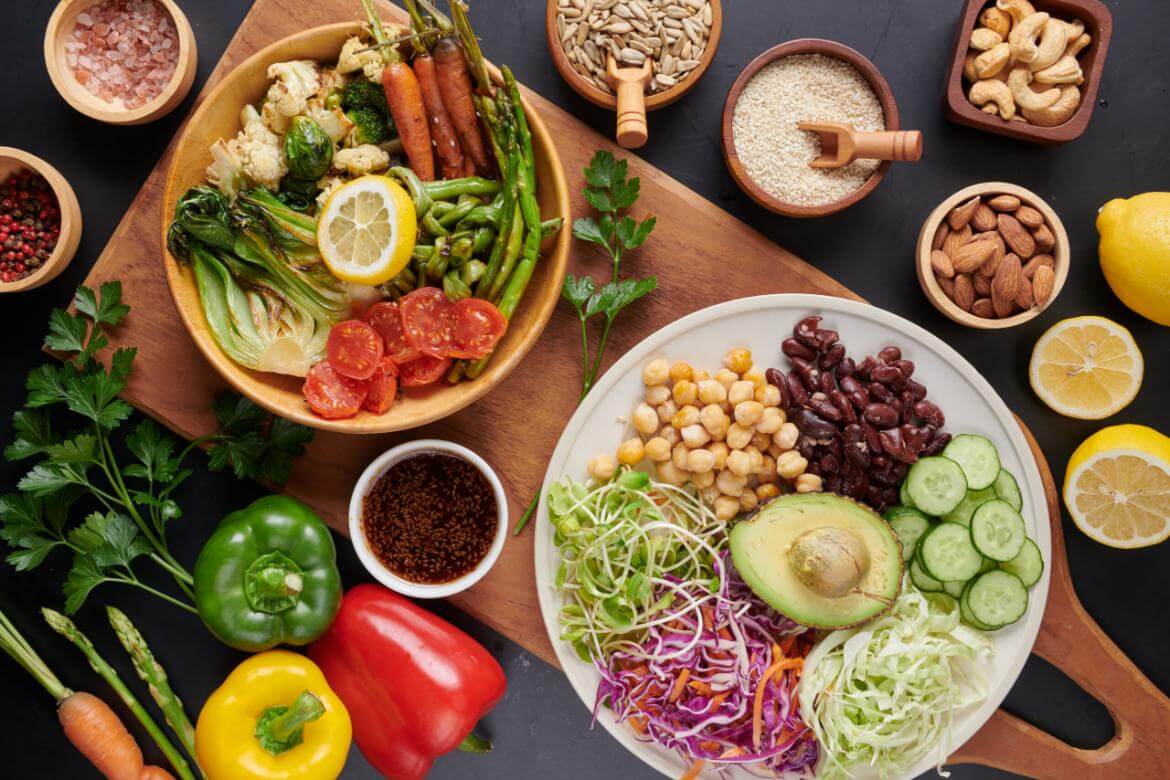
What is a Vitamin? Which Foods Contain Vitamins?
A vitamin is an organic molecule (or a group of closely chemically related molecules) that is an essential micronutrient that a living thing needs in small amounts for its metabolism to function properly.
Vitamins are organic compounds essential for the body and are important for normal growth, functional activities, metabolism, and maintaining a healthy lifestyle. When the body doesn't receive sufficient amounts of vitamins, health problems can arise. Vitamins generally cannot be produced by the body, so they must be obtained from external sources. Vitamins found in food can be found naturally in foods or, in some cases, can be taken as supplements.
What are the Vitamin Groups?
Vitamins are generally divided into two large groups: fat-soluble vitamins and water-soluble vitamins.
Fat-Soluble Vitamins:
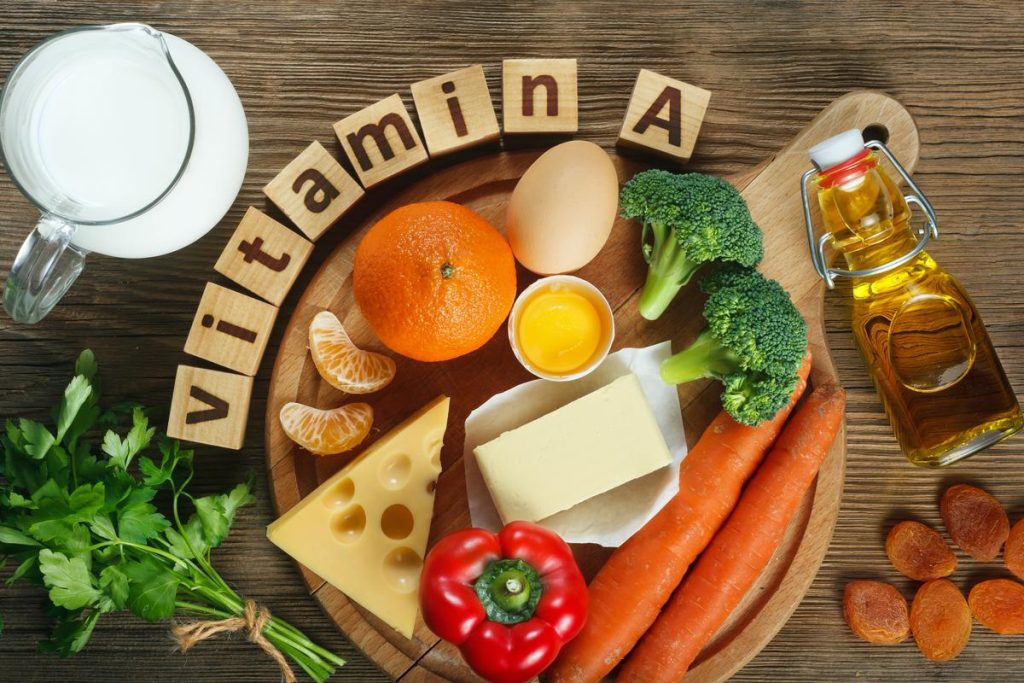
- Vitamin A (Retinol): Important for eye health, skin health, and immune system function. It's found in foods like liver, fish, dairy products, carrots, and spinach.
- Vitamin D (Calciferol): Regulates calcium and phosphorus absorption and supports bone and tooth health. It can be obtained from sources such as sunlight, oily fish, egg yolks, and dairy products.
- Vitamin E (Tocopherol): Provides antioxidant properties, protecting cells from free radicals. Vegetable oils, seeds, hazelnuts, almonds, and green leafy vegetables are sources of vitamin E.
- Vitamin K (Phylloquinone): Plays a role in blood clotting and supports bone health. It's found in foods like green leafy vegetables, broccoli, peas, and beans.
Water-Soluble Vitamins:
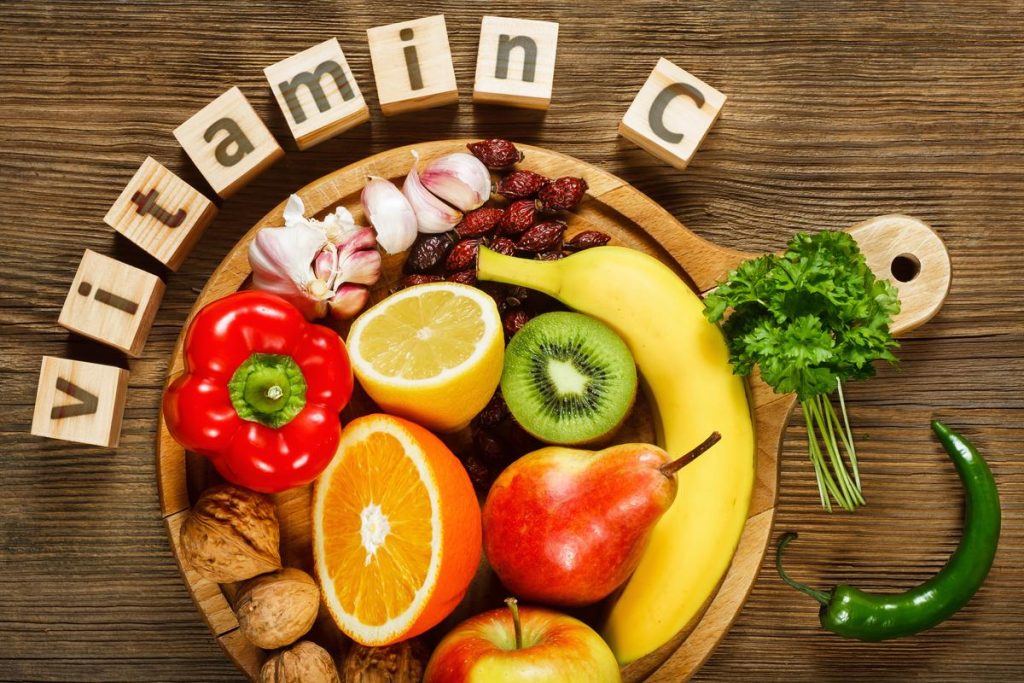
- Vitamin C (Ascorbic Acid): Strengthens the immune system, supports tissue repair, and increases iron absorption. Foods such as citrus fruits, green peppers, strawberries, kiwi, and broccoli are sources of vitamin C.
- Vitamin B1 (Thiamine): Important for carbohydrate metabolism and nervous system functions. Grains, meat, legumes, nuts, and seeds contain vitamin B1.
- Vitamin B2 (Riboflavin): Necessary for energy production and skin and eye health. Dairy products, meat, eggs, green leafy vegetables, and mushrooms are foods containing vitamin B2.
- Vitamin B3 (Niacin): It affects energy metabolism and nervous system functions. Meat, fish, dairy products, legumes, and whole grains are sources of vitamin B3.
- Vitamin B5 (Pantothenic Acid): Necessary for energy production, hormone synthesis, and nervous system functions. Meat, dairy products, eggs, grains, and mushrooms contain vitamin B5.
- Vitamin B6 (Pyridoxine): It affects protein metabolism, nervous system functions, and blood health. Meat, fish, bananas, potatoes, and squash are sources of vitamin B6.
- Vitamin B7 (Biotin): Plays a role in fat and carbohydrate metabolism and supports hair and skin health. Foods containing vitamin B7 include egg yolk, fish, mushrooms, almonds, and walnuts.
- Vitamin B9 (Folic Acid): Important for DNA synthesis, cell division, and pregnancy health. Green leafy vegetables, citrus fruits, legumes, and grains are sources of vitamin B9.
- Vitamin B12 (Cobalamin): It affects red blood cell formation and nervous system functions. Animal products, seafood, and dairy productscontain vitamin B12 .
These vitamin groups are essential for healthy body function. A balanced diet ensures adequate intake of these vitamins.
Functions of Vitamins
Vitamin A:
- Supports eye health and improves night vision.
- It protects skin health and supports cell renewal.
- It plays a role in immune system functions.
Vitamin D:
- It regulates the absorption of calcium and phosphorus and supports bone and tooth health.
- It plays a role in immune system functions.
- Supports muscle function.
Vitamin E:
- It has antioxidant properties and protects cells against damage caused by free radicals.
- It supports immune system functions.
- It protects skin health and supports cell renewal.
Vitamin K:
- It plays an important role in blood clotting.
- Supports bone health.
- Supports circulatory system health.
Vitamin C:
- It strengthens the immune system and provides protection against infections.
- It increases iron absorption.
- It supports collagen production and protects skin health.
Vitamin B1:
- It plays a role in carbohydrate metabolism and supports energy production.
- It plays an important role in nervous system functions.
Vitamin B2:
- It takes part in energy production.
- It supports skin and eye health.
Vitamin B3:
- It plays a role in energy metabolism.
- It supports nervous system functions.
- It regulates cholesterol levels.
Vitamin B6:
- It takes part in protein metabolism.
- It supports nervous system functions.
- It plays a role in the formation of red blood cells.
Vitamin B12 :
- It takes part in the formation of red blood cells.
- It supports nervous system functions.
- It plays an important role in DNA synthesis.
Each vitamin has a different function in the body, and adequate intake of these vitamins is essential for a healthy life. Including a variety of vitamin sources in your diet and taking supplements when necessary will help you meet your vitamin needs.
What Foods Contain Vitamins?
Below you can find foods that contain some examples of commonly found vitamins:
Vitamin A:
- Carrot
- Sweet potato
- Spinach
- Mango
- Apricot
- fish oil
- Milk and dairy products
Vitamin D:
- Sunlight (synthesized by the skin)
- Salmon
- Sardine
- tuna
- Milk and dairy products (fortified with vitamin D)
- Egg yolk
Vitamin E:
- Almond
- Hazelnut
- sunflower seeds
- wheat germ
- Spinach
- Broccoli
- Olive oil
Vitamin K:
- Broccoli
- Spinach
- Cabbage
- Chard
- curly lettuce
- Green leafy vegetables
Vitamin C:
- Citrus fruits (orange, tangerine, lemon)
- Strawberry
- Kiwi
- Red pepper
- Mango
- Pineapple
- Papaya
Vitamin B1:
- Oatmeal
- sunflower seeds
- Sesame
- Black beans
- Green peas
- Hazelnut
Vitamin B2:
- Almond
- Egg
- Milk and dairy products
- Spinach
- Mushroom
- Whole grains
Vitamin B3:
- tuna
- Salmon
- Chicken breast
- Green peas
- Bean
- Hazelnut
Vitamin B6:
- Banana
- Potatoes
- Chick
- Salmon
- Spinach
- Avocado
- Lentil
Vitamin B12:
- Beef
- Salmon
- Egg
- Cheese
- Milk and dairy products
- Shellfish
These are just some examples of vitamins and foods that contain them. Each vitamin has different sources, and a balanced diet aims to provide a variety of foods containing a variety of vitamins.
Daily Vitamin Needs
Daily vitamin requirements vary depending on a person's age, gender, physical activity level, health status, and certain special circumstances. Below is a table showing some generally accepted basic daily vitamin requirements:
Note: The values below reflect average daily vitamin requirements for adults. However, individual needs may vary. These requirements may vary, particularly during pregnancy, breastfeeding, or certain health conditions. It's important to consult your doctor or a nutritionist based on your health and dietary habits.
Fat-Soluble Vitamins:
Vitamin A:
- For men: 900 micrograms
- For women: 700 micrograms
Vitamin D:
- For men and women: 15 micrograms (600 IU)
Vitamin E:
- For men and women: 15 milligrams (22.4 IU)
Vitamin K:
- For men: 120 micrograms
- For women: 90 micrograms
Water-Soluble Vitamins:
Vitamin C:
- For men and women: 90 milligrams
Vitamin B1 (Thiamine):
- For men: 1.2 milligrams
- For women: 1.1 milligrams
Vitamin B2 (Riboflavin):
- For men: 1.3 milligrams
- For women: 1.1 milligrams
Vitamin B3 (Niacin):
- For men: 16 milligrams
- For women: 14 milligrams
Vitamin B5 (Pantothenic Acid):
- For men and women: 5 milligrams
Vitamin B6 (Pyridoxine):
- For men and women: 1.3 milligrams
Vitamin B7 (Biotin):
- For men and women: 30 micrograms
Vitamin B9 (Folic Acid):
- For men and women: 400 micrograms
Vitamin B12 (Cobalamin):
- For men and women: 2.4 micrograms
These values are a general guideline and represent the recommended daily vitamin intake for a healthy lifestyle. However, it's important to consider your individual needs and health status when planning your diet and considering supplements. Therefore, it's important to consult a healthcare professional or nutritionist to determine your vitamin needs and ensure you're getting the appropriate amounts.
Which Vitamin Deficiency Causes Hand Tremors?
Vitamin deficiencies can cause various health problems. Hand tremors (involuntary shaking of the hands) can be a symptom of several conditions and can have multiple causes. However, vitamin B12 deficiency may be particularly associated with hand tremors.
Vitamin B12 deficiency can negatively impact the nervous system and cause nerve damage, which can lead to impaired movement control, such as hand tremors. Vitamin B12 deficiency may also be associated with other symptoms, such as weakness, fatigue, memory loss, inattention, depression, and balance problems.
