


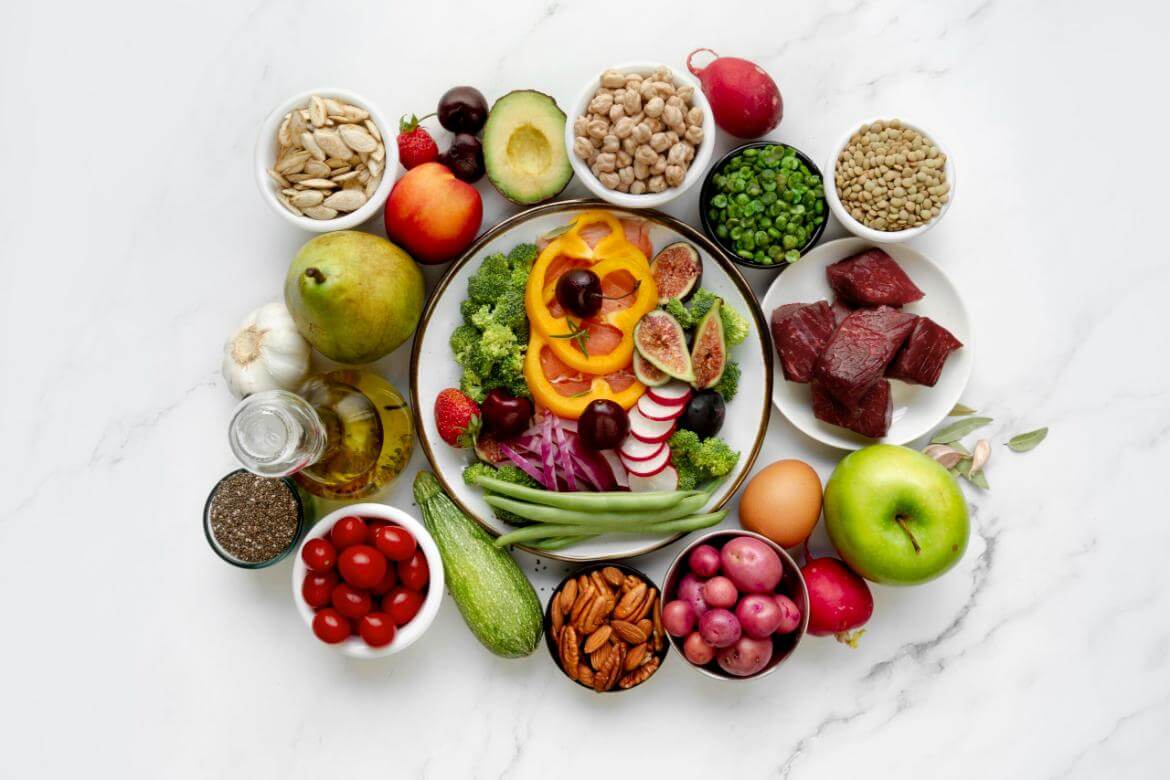
What is Fiber? What are the Benefits of Fiber-rich Foods?
What is Fiber?
Fiber is a complex, indigestible carbohydrate found in plants. It passes through the intestines without being completely broken down by the digestive system. Although indigestible, fiber is a nutrient that contributes to the digestive process and offers numerous health benefits.
- Soluble fiber: This type of fiber dissolves in water. It's found in foods like oatmeal, barley, beans, apples, citrus fruits, carrots, and peas. Soluble fiber absorbs water to form a gel-like substance, slowing the absorption of cholesterol and sugar during digestion. It also serves as a food source for probiotic bacteria and supports gut health.
- Insoluble fiber: This type of fiber doesn't dissolve in water. This type of fiber is found in foods like whole grains, wheat bran, vegetables, and fruit peels. Insoluble fiber regulates bowel movements, prevents constipation, and supports bowel health by increasing stool bulk.
Consuming fiber is important for digestive health and provides a number of benefits, including regulating bowel movements, preventing constipation, lowering cholesterol levels, controlling blood sugar, increasing feelings of fullness, and helping with weight management.
What are the benefits of high-fiber foods?
- Supports digestive health: Fiber is important for intestinal health. Soluble and insoluble fiber regulate bowel movements, reducing the risk of constipation and helping the digestive system function healthily.
- Lowers cholesterol levels: Soluble fiber binds to bile acids during the digestive process, preventing them from being absorbed by the body. This helps lower cholesterol levels. Lower cholesterol levels are important for heart health and can reduce the risk of heart disease.
- It has a blood sugar-balancing effect: Fiber helps regulate blood sugar by slowing the digestion of carbohydrates. Soluble fiber, in particular, slows the absorption of glucose and prevents spikes in blood sugar. This can reduce the risk of diabetes and increase insulin sensitivity.
- Increases feelings of fullness: Fiber, a nutrient that takes longer to digest, increases feelings of fullness. Consuming fiber-rich foods can help you feel fuller for longer, prevent unnecessary snacking, and help with weight management.
- Supports gut flora: Fiber-rich foods are a good source of nutrients for gut flora. Probiotic bacteria are important for gut health and help nourish these bacteria. These foods maintain the balance of gut flora, contributing to a stronger immune system and improved overall health.
- Supports heart health: Fiber supports heart health by having a positive effect on factors like lowering cholesterol levels, controlling blood pressure, and managing weight. Regular consumption of fiber-rich foods may reduce the risk of heart disease.
Including fiber in your diet is important for overall health and a healthy digestive system. Fiber-rich foods include fruits, vegetables, whole grains, legumes, nuts, and seeds. However, consuming enough water is also important to increase your fiber intake, as fiber absorbs water and requires water to facilitate bowel movements.
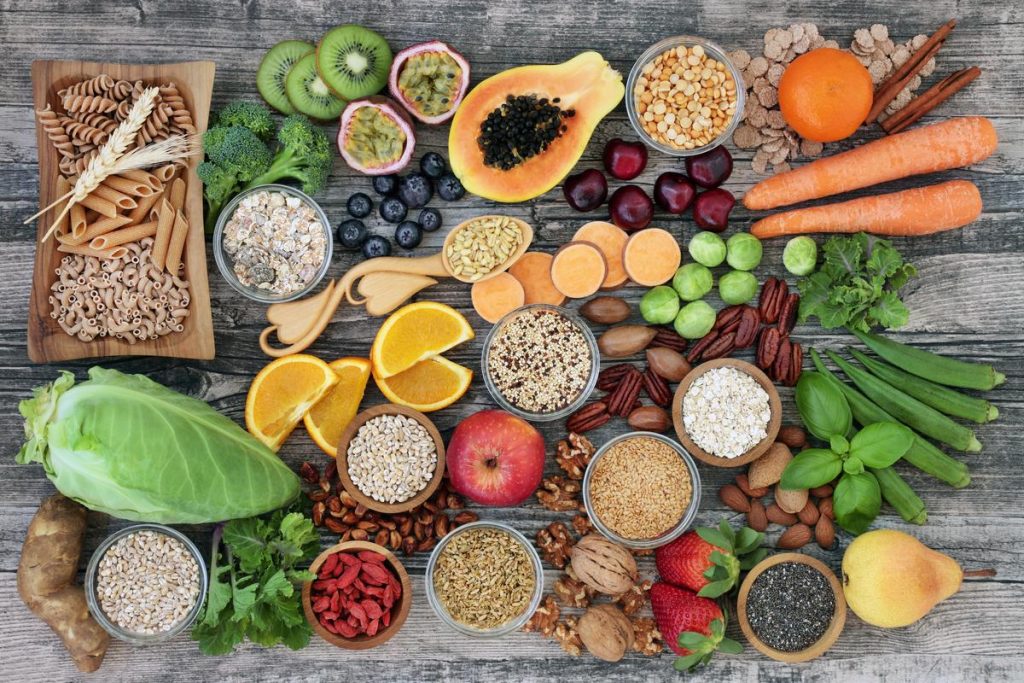
What are Fiber Foods?
Fiber foods contain soluble and insoluble fibers that provide many health benefits to the body.
- Whole grains: Whole grains such as whole wheat bread, whole wheat flour, oatmeal, brown rice, rye and barley are rich in fiber.
- Vegetables: Vegetables such as broccoli, carrots, kale, spinach, chard, zucchini, peas, Brussels sprouts and leafy greens have high fiber content.
- Fruits: Many fruits, such as apples, pears, bananas, oranges, strawberries, blackberries, raspberries, avocados and peaches, are rich in fiber.
- Legumes: Legumes such as lentils, chickpeas, kidney beans, dry beans, peas and black-eyed peas are sources of both fiber and protein.
- Nuts: Nuts like almonds, walnuts, hazelnuts, peanuts, pumpkin seeds, and chia seeds are rich in fiber, healthy fats, and other nutrients.
- Wholemeal products: Foods such as wholegrain cereals, wholegrain bread, wholegrain pasta and wholegrain cereals are high-fibre options.
- Dried fruits: Dried fruits such as dried figs, dried apricots, prunes, raisins and dates are fiber-rich snacks.
These are just a few examples; there are many foods high in fiber. Including these high-fiber foods in your daily diet is important for a healthy digestive system and overall health. It's important to remember to consume fiber-rich foods with adequate water intake, as fiber absorbs water and requires water.
What Do Fiber-Containing Foods Do in the Gut?
- They regulate bowel movements: Fiber-rich foods help prevent digestive problems like constipation and diarrhea by regulating bowel movements. Insoluble fiber stimulates bowel movements by increasing stool bulk, making them easier to pass. This promotes healthy bowel function and regular bowel movements.
- Softens stool: Soluble fiber absorbs water and forms a gel in the intestines. This keeps stool moist and soft. Consuming fiber prevents stool from hardening and reduces the risk of constipation.
- Supports intestinal health: Fiber-rich foods contain nutrients called prebiotics. These prebiotics are a food source for probiotic bacteria found in the intestines. Probiotic bacteria are important for intestinal health, strengthening the immune system, maintaining the integrity of the intestinal mucosa, and helping to eliminate toxins.
- Promotes fermentation: Fibrous foods undergo fermentation in the intestines. During this process, probiotic bacteria digest the fiber and ferment the partially indigestible portion. Fermentation produces short-chain fatty acids. These fatty acids are the energy source for intestinal cells and support the health of the mucosa.
- Supports toxin elimination: Fiber-rich foods facilitate the elimination of toxins and waste products from the intestines. Fiber increases stool bulk, stimulating bowel movements and allowing waste to pass through the intestines more quickly. This helps eliminate toxins and harmful substances from the body.
These effects highlight the importance of high-fiber foods for intestinal health. Regular consumption of high-fiber foods regulates bowel movements, prevents constipation, softens stools, supports intestinal flora, and facilitates the elimination of toxins. Intestinal health is important for overall health and a healthy digestive system.
How Should Fiber-Rich Foods Be Consumed?
Consuming fiber-rich foods in the right way will help you maximize their health benefits. Here are some things to consider when consuming fiber-rich foods:
- Adequate water intake: Fiber swells by absorbing water, supporting the digestive process. Therefore, it's important to drink enough water when consuming fiber-rich foods. Water helps the fiber swell in the intestines and makes digestion more efficient. The recommended daily amount of water is generally around 8 glasses.
- Chew slowly: Chewing fiber-rich foods slowly kick-starts the digestive process and helps nutrients absorb better. Eating slowly also helps you feel full faster, reducing the likelihood of overeating.
- Start slowly by increasing your daily fiber intake: Consuming high-fiber foods can take some getting used to. Suddenly consuming high amounts of fiber can cause bloating, gas, or digestive issues. Therefore, it's best to add fiber to your diet slowly. Start with smaller amounts initially and gradually increase your fiber intake over time.
- Diversify diet: It's important to include a variety of high-fiber foods in your diet. A wide variety of different fiber sources will help you get different types of fiber and other nutrients. Make sure to consume a variety of high-fiber foods, such as vegetables, fruits, whole grains, legumes, and nuts.
- Consider cooking methods: Be careful when cooking high-fiber foods. Some cooking methods can reduce their fiber content. For example, overcooking vegetables can lead to fiber loss. Try to preserve their fiber content by steaming or lightly boiling them. You can also reap the benefits of fiber by cooking whole grains lightly, rather than chewing them.
- Balance your intake with other nutrients: Along with fiber, be sure to include other nutrients as part of a balanced diet. Other nutrients, such as protein, healthy fats, vitamins, and minerals, are also important components your body needs.
Remember, everyone's fiber needs may vary. Your health, age, gender, and other factors can affect your daily fiber intake. By speaking with a healthcare professional, you can determine a fiber intake plan that suits your individual needs.
How to Understand Fiber Deficiency?
Fiber deficiency can occur when the body doesn't consume enough fiber. Symptoms of fiber deficiency may include:
- Constipation: Fiber helps regulate bowel movements, ensuring proper digestive function. A lack of fiber can cause stools to harden and bowel movements to slow down, leading to constipation.
- Diarrhea: In some cases, a lack of fiber can also cause diarrhea. Fiber regulates stool consistency and stimulates bowel movements. A lack of fiber can cause stools to be watery or firm.
- Shortened satiety: Fiber-rich foods slow digestion, making you feel fuller for longer. A lack of fiber can lead to shorter periods of fullness and more frequent hunger pangs. This can increase the risk of overeating or weight gain.
- Cholesterol problems: Fiber plays an important role in controlling cholesterol levels. A lack of fiber can contribute to high cholesterol levels and an increased risk of cardiovascular disease.
- Sugar regulation issues : Fiber helps regulate blood sugar. A lack of fiber can cause blood sugar to spike and drop rapidly, leading to energy fluctuations and an increased risk of insulin resistance.
- Difficulty managing weight: Fiber-rich foods can increase feelings of fullness, reducing the likelihood of overeating. A lack of fiber can cause feelings of fullness to fade more quickly and make it harder to control your weight.
If you're experiencing one or more of the symptoms above, you may be suffering from a fiber deficiency. In this case, incorporating fiber-rich foods into your diet or taking fiber supplements may be helpful. However, it's important to consult a healthcare professional for a definitive diagnosis. An appropriate treatment plan can be developed based on your health and other factors.
How Much Fiber Should a Person Get Per Day?
A person's daily fiber intake can vary depending on their age, gender, and overall health. However, it's generally recommended that a healthy adult consume approximately 25 to 30 grams of fiber per day.
