


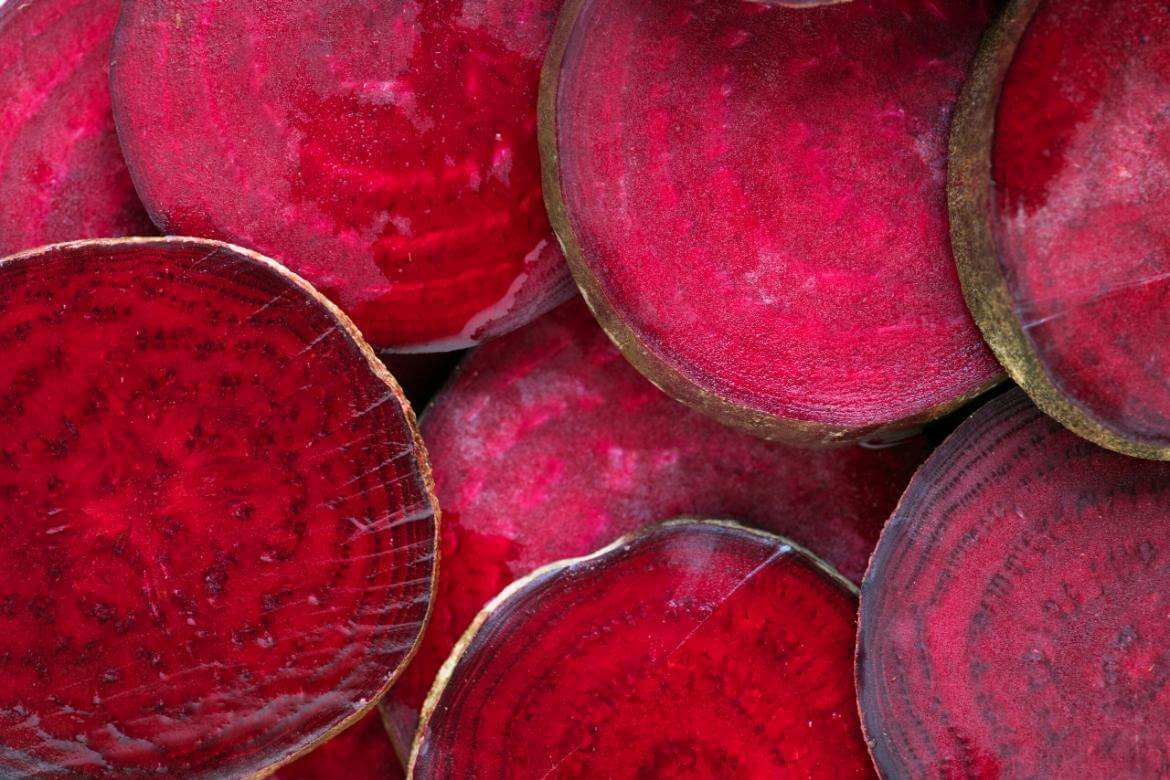
What are the benefits of red beets?
Red beets are a vegetable known for their nutritional properties and health benefits. Benefits of red beets:
- Antioxidant Content: Red beets contain powerful antioxidant compounds called betalains. These antioxidants can reduce cell damage and prevent inflammation by fighting free radicals in the body. Therefore, consuming red beets provides healthy antioxidant protection.
- Blood pressure regulation: The nitrates found in red beets are converted into nitric oxide by the body. Nitric oxide can help lower blood pressure by helping blood vessels dilate. Therefore, consuming red beets may be beneficial for individuals with hypertension.
- Boosting exercise performance: Red beets may help boost exercise performance thanks to their nitrate content. Nitrates are converted into nitric oxide in the body, increasing blood flow and improving oxygen-carrying capacity. This can increase endurance and support better performance during exercise.
- Supporting digestive health: Beets are a fiber-rich vegetable. Fiber supports the digestive system, regulates bowel movements, and reduces the risk of constipation. Furthermore, the natural sugars found in beets may have prebiotic effects that benefit gut health.
- Source of iron and folate: Red beets contain essential minerals like iron and folate. Iron is important for the production of red blood cells and their ability to carry oxygen. Folate, on the other hand, is essential for cell growth, tissue repair, and DNA synthesis. Adequate intake of these minerals is important for healthy blood cell production and overall energy levels.
In addition to these benefits, beets' anti-inflammatory properties, immune-supporting effects, and detoxifying abilities are also highlighted. However, because everyone's health and dietary needs are different, it's important to consult your doctor or nutritionist if you have any significant health concerns or are following a special diet.
What is the nutritional value of red beets?
Beetroot is a nutritious vegetable and contains a variety of vitamins, minerals, fiber and antioxidants.
Nutritional values of approximately 100 grams of red beet:
- Calories: 43 kcal
- Carbohydrates: 9.6 grams
- Fiber: 2.8 grams
- Protein: 1.6 grams
- Fat: 0.2 grams
Red beets also contain the following vitamins and minerals:
- Vitamin C: 4.9 mg
- Folate: 109 mcg
- Potassium: 305 mg
- Iron: 0.8 mg
- Magnesium: 23 mg
It's also important to note that beetroot contains antioxidant compounds called betalains. These antioxidants may help reduce cell damage and have anti-inflammatory properties.
Beetroot leaves are also highly nutritious and contain important nutrients such as vitamin A, vitamin C, iron and calcium.
Nutritional values may vary from person to person, and cooking or processing methods can affect nutritional values. However, overall, beets are considered a nutritious vegetable to add to a healthy eating plan.
How to consume red beets?
- Raw: You can consume red beets raw. To do this, peel, wash, and grate them. Then, add them to salads, raw vegetable dishes, or smoothies.
- Boiled: You can also consume red beets boiled. Clean, peel, and slice the beets. Add water to a pot and boil the beets. You can add them to salads, side dishes, or sandwiches.
- Baked: You can also enjoy delicious red beets by roasting them in the oven. Clean, peel, and slice the beets. Arrange them on a baking sheet, season with a little olive oil, salt, and spices, and then bake in an oven preheated to 200-220°C (400-450°F) until tender. Baked beets can be served in salads, as a side dish, or on their own.
- Sautéed or steamed : You can also sauté or steam red beets. Clean, peel, and slice the beets. Cook them in a pan or steam until tender. Serve sautéed or steamed beets in vegetable dishes, as a side dish, or with rice.
- With the leaves: Red beet leaves can also be consumed. You can use them like chard or spinach. After washing, you can sauté the leaves, add them to salads, or use them in soups.
When consuming red beets, make sure to keep cooking times as short as possible to preserve their sweet flavor and nutritional value. You can also flavor them with spices and sauces according to your personal preferences.
What are the side effects of red beet?
Consuming red beets is generally considered a healthy food choice. However, some people may be sensitive to certain side effects. Potential side effects include:
- Colored urine and stool: Because red beets naturally contain intense red pigment, changes in urine and stool color may occur after consumption. This is usually harmless and is related to pigment being eliminated from the body.
- Allergic reactions: Some people may have an allergic reaction to red beets. This can cause symptoms such as skin rashes, itching, swelling, and respiratory problems. If you experience these symptoms after consuming red beets, discontinue consumption and consult a healthcare professional.
- Risk of urinary tract infections: Red beets may contain nitrates, which can cause urinary tract infections. Nitrates can convert to nitrites, which are a breeding ground for bacteria and can contribute to the development of urinary tract infections. It's especially important for people with a history of urinary tract infections to be cautious.
- Oxalate stone formation: Red beets contain a compound called oxalate. Oxalate stones are crystals that can form in the kidneys or urinary tract. Therefore, people with kidney stones or oxalate stones are advised to avoid excessive consumption of red beets.
These side effects are generally rare, and beets are generally safe for most people to consume. However, if you have any concerns about your personal health, it's important to consult a healthcare professional.
What disease is red beet good for?
- Regulating blood pressure: Beetroot juice contains nitrates that can dilate blood vessels and lower blood pressure. This can help keep high blood pressure under control.
- Supporting liver health: Beetroot juice contains compounds that can support the liver's detoxification processes. A pigment called betalain, in particular, may support healthy liver function.
- Reducing inflammation: Beetroot juice can reduce inflammation in the body thanks to the antioxidants it contains. Therefore, it may help alleviate the symptoms of inflammatory diseases such as rheumatoid arthritis and osteoarthritis.
- Improving digestive health: Beetroot juice, with its fiber content, can support the digestive system. It can contribute to digestive health and help relieve constipation and digestive problems.
- Boosting exercise performance: The nitrates found in beetroot juice may enhance exercise performance by improving oxygen uptake. Therefore, it can be an energizing drink for athletes and active individuals.
The benefits of beetroot juice can vary from person to person, and it's important to consult a healthcare professional if you have any concerns about your personal health. It's also important to be mindful of the natural sugar content and consume beetroot juice in moderation.
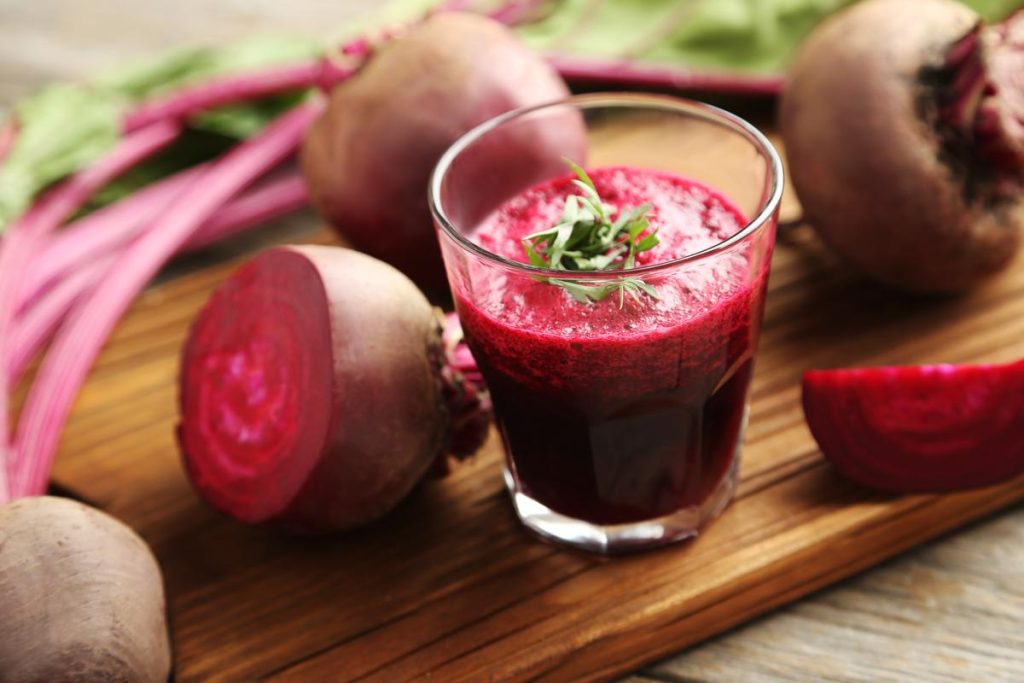
Red beet juice against blood pressure
- Nitrate content : Beetroot juice is naturally high in nitrates. In the body, nitrates are converted into a compound called nitric oxide. Nitric oxide dilates blood vessels, increasing blood flow and may help lower blood pressure.
- Antioxidants: Beetroot juice is rich in antioxidants. Antioxidants reduce oxidative stress by combating harmful molecules called free radicals. Oxidative stress can lead to damage to blood vessels and increased blood pressure. The antioxidants in beetroot juice may help lower blood pressure.
- Fiber content: Beetroot juice is rich in fiber. Fiber supports digestive health and can aid in weight management. Maintaining a healthy weight can help regulate blood pressure.
However, the effects of beetroot juice on blood pressure can vary from person to person. If you have any medical conditions or are concerned about blood pressure problems, it's important to consult a healthcare professional. Additionally, beetroot juice alone should not be considered a treatment for blood pressure control. A balanced diet, regular exercise, stress management, and medical treatment when necessary are important factors in blood pressure control.
Beetroot juice against bloating
Beetroot juice may help reduce bloating by supporting digestive health. Here's how beetroot juice can help with bloating:
- Fiber content: Beetroot juice is naturally rich in fiber. Fiber supports digestive health, regulates bowel movements, and prevents constipation by softening stool. Fiber also helps retain indigestible substances in the intestines and can improve digestion, reducing bloating.
- Supporting digestive enzymes: Beetroot juice can increase the production of digestive enzymes. Digestive enzymes are important for digesting and absorbing food. Drinking beetroot juice can increase the activity of digestive enzymes and help you digest food better.
- Anti-inflammatory properties : Beets contain certain compounds with anti-inflammatory properties. Inflammation can contribute to digestive problems and bloating. The anti-inflammatory compounds in beetroot juice can relieve bloating by reducing inflammation.
- Diuretic effect: Beetroot juice has a mild diuretic effect, meaning it promotes the excretion of excess fluid from the body. Fluid retention can cause bloating. Drinking beetroot juice can support its diuretic effect and reduce edema, thus reducing the feeling of bloating.
However, it's important to consider your personal health before using beetroot juice to relieve bloating. If you have a serious digestive condition or are allergic or sensitive to beets, it's important to consult a healthcare professional before consuming beetroot juice. Additionally, taking other dietary precautions to manage bloating, such as drinking enough water, eating slowly, and avoiding gas-producing foods, are also important.
Does red beet juice relieve edema?
Yes, beetroot juice can help relieve fluid retention. Beetroot juice has a natural diuretic effect, meaning it promotes the excretion of excess fluid from the body. Edema can occur as a result of excess fluid retention and typically manifests as symptoms such as bloating and swelling in the feet or legs.
Beetroot juice, thanks to its natural nitrates, increases nitric oxide production in the body. Nitric oxide dilates blood vessels, increasing blood flow. This, in turn, encourages the kidneys to produce more urine, helping to flush excess fluid and salt from the body. Consequently, it can help reduce edema and regulate fluid balance.
However, because each individual's body type and health status are different, the edema-reducing effects of beetroot juice may vary from person to person. Furthermore, beetroot juice should not be used alone as a treatment for edema. If you are experiencing edema, it's important to consult a healthcare professional. A comprehensive evaluation may be necessary to determine a suitable treatment plan for you. If you are experiencing edema, a healthy diet and adequate fluid intake are also important.
