



What Causes Iodine Deficiency?
Iodine deficiency is a health problem that occurs when the body doesn't receive enough iodine. Iodine is essential for the healthy functioning of the thyroid gland. The hormones produced in the thyroid gland play a role in many important processes, including metabolism regulation, growth and development, and nervous system function. Iodine deficiency can lead to the thyroid gland's inability to produce sufficient hormones and thyroid diseases.
What are the symptoms of iodine deficiency?
Iodine deficiency can prevent the thyroid gland from functioning properly and lead to various symptoms. Common symptoms of iodine deficiency include:
- Goiter : Iodine deficiency can cause the thyroid gland to enlarge (goiter). This manifests as a lump or swelling in the neck.
- Metabolic Issues: Iodine plays an important role in the production of thyroid hormones. Iodine deficiency can cause the thyroid gland to not produce enough hormones, which can lead to a slowed metabolic rate. This can lead to decreased energy levels and feelings of fatigue and weakness.
- Changes in Weight: Iodine deficiency can lead to a decrease in metabolic rate and basal metabolic rate. This can lead to weight gain. However, some people may experience excessive appetite and weight loss.
- Skin Problems: Iodine deficiency can affect skin health. Symptoms include dry skin, thickening, hardness, or flaking. Iodine deficiency can also sometimes lead to skin problems such as swelling, edema, or acne.
- Mental and Neurological Problems : Iodine is essential for normal brain function. People with iodine deficiency may experience symptoms such as mental slowing, forgetfulness, difficulty concentrating, depression, and irritability. Furthermore, iodine deficiency can cause mental retardation and developmental disorders in infants and children.
- Reproductive Problems: Iodine deficiency can affect reproductive health. Women may experience menstrual irregularities, painful periods, and infertility. Men may experience decreased sperm quality and reproductive problems.
These symptoms can appear differently in people with iodine deficiency and their severity can vary from person to person.
Symptoms of iodine deficiency in babies
Iodine deficiency in infants can have serious effects on their mental and physical development. Babies with iodine deficiency may experience the following symptoms:
- Mental retardation
- Developmental delay
- Problems with motor skills
- Speech and language development problems
- Hearing problems
- Physical abnormalities
- Neurological disorders
- Muscle weakness
- excessive sleep
Iodine deficiency can have negative effects on babies, especially in the womb and postpartum. Therefore, it is crucial for mothers to receive adequate iodine during pregnancy. It is important to consult a pediatrician if iodine deficiency is suspected in babies.
Symptoms of iodine deficiency in children and adolescents
Iodine deficiency in children and adolescents can have negative effects on growth, development, and mental function. Children and adolescents with iodine deficiency may experience the following symptoms:
- Growth retardation
- Mental and cognitive problems
- Decrease in school performance
- Fatigue and weakness
- Nervous system problems
- Thyroid problems
- Delay in tooth development
Problems caused by iodine deficiency
Iodine deficiency can cause various problems in the body. Some of the major problems that iodine deficiency can cause are:
- Thyroid Problems: Iodine deficiency affects the healthy functioning of the thyroid gland. If the thyroid gland doesn't receive enough iodine, its production of thyroid hormones can decrease. This can lead to hypothyroidism (low levels of thyroid hormones). Symptoms of hypothyroidism can include fatigue, weight gain, depression, constipation, sensitivity to cold, and dry skin and hair problems.
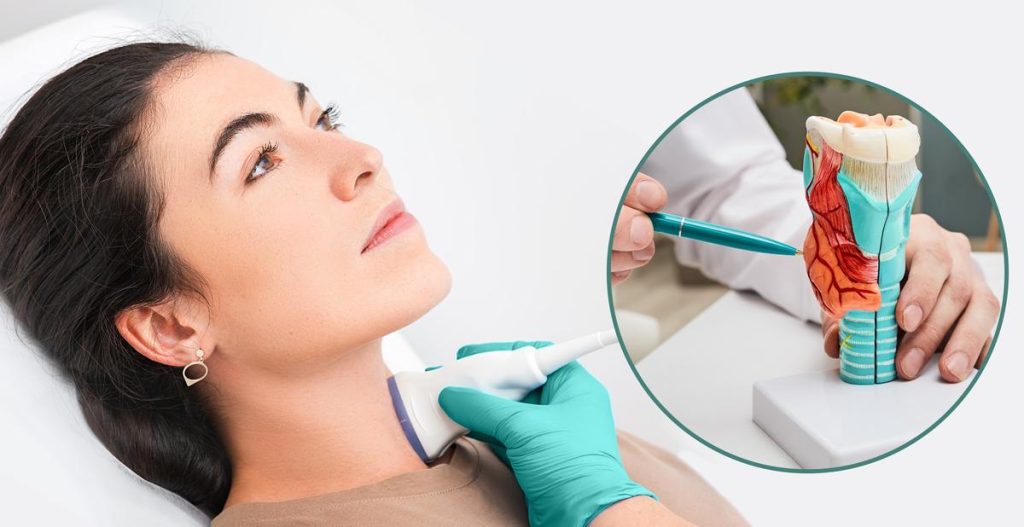
- Goiter : Iodine deficiency can cause the thyroid gland to enlarge. This condition is called a goiter. A goiter is an enlargement of the thyroid gland, felt as a lump or swelling in the neck. A large goiter can cause problems such as breathing and swallowing difficulties.
- Mental and Cognitive Problems: Iodine is essential for normal brain development and function. Iodine deficiency can lead to mental and cognitive problems such as mental retardation, cognitive impairments, learning difficulties, memory problems, and attention deficit disorder. If a mother is iodine deficient during pregnancy, the risk of mental retardation and neurological disorders in the unborn baby increases.
- Reproductive Problems: Iodine deficiency can affect reproductive health. In women, menstrual irregularities, painful periods, and infertility can occur. In men, decreased sperm quality and reproductive problems can occur.
- Physical and Motor Developmental Problems: Iodine deficiency can affect growth and development. Children may experience growth retardation, delayed motor skills, and delayed physical development.
- Cretinism: Severe and prolonged iodine deficiency can lead to a serious condition called cretinism. Cretinism is characterized by physical and intellectual disabilities in infants and children. Symptoms include dwarfism, mental retardation, hearing loss, and problems with muscle coordination.
What is good for iodine deficiency?
- Iodine Supplements: The most common treatment for iodine deficiency is iodine supplementation. Iodine supplements are used to balance iodine levels and ensure adequate iodine levels in the body. Iodine supplements should generally be used under the supervision of a doctor.
- Consuming Iodized Salt: Iodized salt is a method used to prevent and treat iodine deficiency. It is produced by adding iodine to regular table salt. Consuming iodized salt can help meet your daily iodine needs.
- Consuming Iodine-Rich Foods: Consuming iodine-rich foods is important to address iodine deficiency. Iodine-rich foods include seafood (fish, seaweed), dairy products, sea salt, kelp, and iodized salt. These foods naturally contain iodine and can help balance iodine levels.
- Diet: A balanced and varied diet can help prevent iodine deficiency. It's important to follow a healthy eating plan that includes iodine-rich foods, as well as fruits, vegetables, whole grains, and protein sources.
- Doctor's Monitoring: A doctor's advice and monitoring are important in treating iodine deficiency. By testing iodine levels, a doctor can determine and monitor appropriate treatment methods.
- Seafood: Seafood is a rich source of iodine. Fish (e.g., salmon, mackerel, tuna), shrimp, oysters, and seaweed (e.g., kelp and nori) are particularly rich in iodine. Regularly consuming these seafoods can increase your iodine intake.
- Milk and Dairy Products: Dairy products such as milk, cheese, and yogurt are rich sources of iodine. Choosing milk and dairy products, especially those made with iodized salt, can increase iodine intake.
- Sea Salt: Sea salt naturally contains iodine. Using iodized sea salt instead of table salt can help increase your iodine intake.
- Seaweed: Seaweed is a rich source of iodine. Including seaweeds like kelp, nori, and wakame in your diet can increase iodine intake. Seaweed can be used in a variety of dishes or in salads.
Treatment of iodine deficiency
Iodine deficiency can be treated by using iodine supplements to restore the body's iodine levels to normal levels. Because iodine deficiency can prevent the thyroid gland from functioning properly, iodine supplements are used to support the production of thyroid hormones. The most common methods used to treat iodine deficiency include:
- Iodized Salt: Iodized salt is an effective method for preventing and treating iodine deficiency. Iodized salt can be used to meet daily iodine needs. In most countries, table salt is fortified with iodine.
- Iodine Supplements: Doctors can prescribe iodine supplements to treat iodine deficiency. These supplements help correct iodine deficiency and restore normal thyroid function. It's important to consult a doctor before using iodine supplements.
- Natural Sources of Iodine: Iodine-rich foods can be used as a natural way to treat iodine deficiency. Seafood is among the foods rich in iodine. Foods such as seaweed, marine fish, shrimp, oysters, and nori sheets are rich in iodine and can be included in your diet.
The dosage and duration of iodine deficiency treatment methods can vary depending on a person's age, health status, and the severity of the iodine deficiency. Therefore, it's important to consult a doctor for iodine deficiency treatment. Our doctors can determine the appropriate treatment method and recommend the appropriate dosage to help you bring your iodine levels back to normal.
