



What is Probiotic? What are its Benefits?
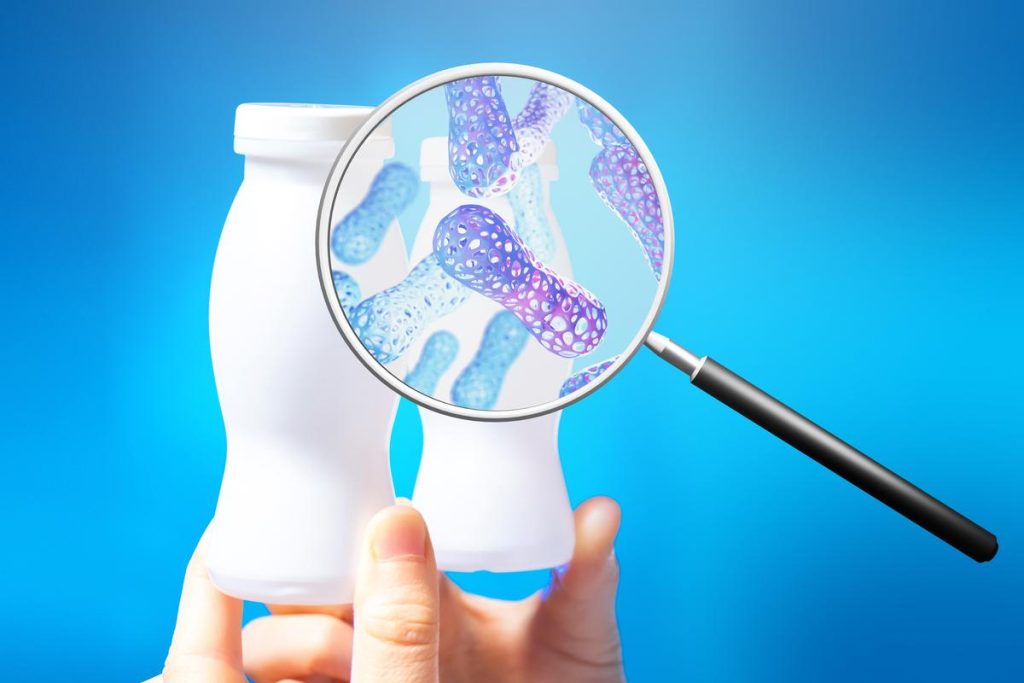
Probiotics are live microorganisms that are beneficial for the digestive and immune systems. They are the natural bacterial communities found primarily in our intestines. While probiotics are generally bacterial strains, some probiotics may also be derived from other microorganisms, such as fungi or yeast.
Probiotics are known as beneficial bacteria that support a healthy digestive system. The digestive system performs important functions like digesting food, absorbing nutrients, and keeping our immune system functioning properly.
Probiotics help support digestive health by improving the balance of beneficial bacteria in the digestive tract.
Additionally, probiotics may have positive effects on the immune system. The immune system is a complex system that protects the body against infection and manages disease defenses. Probiotics can increase the activity of immune cells and regulate immune system responses.
However, probiotics aren't equally effective for everyone. Everyone's gut flora is different, and no probiotic is guaranteed to have the same effect on everyone.
What are the benefits of probiotics?
- Supports digestive health : Probiotics are beneficial bacteria for the digestive system. They support digestive health by improving the balance of beneficial bacteria in the digestive system. They can reduce digestive problems, facilitate digestion, and alleviate symptoms caused by digestive issues.
- Strengthens the immune system: Probiotics can have positive effects on the immune system. They can increase the activity of immune cells and regulate immune system responses. By supporting the healthy and balanced functioning of the immune system, they can be effective in protecting against infections.
- Prevents gastrointestinal infections: Probiotics can inhibit the growth of harmful bacteria and microbes and prevent gastrointestinal infections. Probiotic use can reduce the risk of infection, especially during antibiotic use, when antibiotics can harm beneficial bacteria.
- May relieve symptoms of irritable bowel syndrome (IBS): IBS is a condition in which bowel movements are irregular and symptoms are associated with digestive issues such as constipation, diarrhea, bloating, and abdominal pain. Certain probiotics may relieve IBS symptoms and regulate bowel movements.
- May have effects on overall health and well-being: Probiotics may improve overall health by improving gut health and boosting the immune system. Some people who regularly consume probiotics report more energy, better digestion, weight control, and overall improved mood.
- Protects vaginal health: Some probiotics reduce the risk of vaginal infections by maintaining a healthy microbiota balance in the vaginal area. They may be especially effective in preventing vaginal infections that occur after antibiotic use.
- Supports skin health: Probiotics can also have positive effects on skin health. By maintaining the balance of beneficial microorganisms in the skin, they can help improve skin conditions like acne, eczema, and psoriasis.

What foods contain probiotics?
Probiotics can be found naturally in some foods or taken as probiotic supplements. Some foods containing probiotics include:
- Yogurt: Yogurt is one of the most common sources of probiotics. Consuming yogurt, which contains live and active probiotic bacteria, can support digestive health. However, it's important to check labels and look for live probiotic bacteria content when purchasing yogurt.
- Kefir: Kefir is a beverage fermented with milk or plant-based liquids. It contains a variety of probiotic bacteria and yeasts. Kefir may improve digestive health and support the immune system.
- Pickles: Pickles are a food made by fermenting vegetables in a saltwater or vinegar solution. Pickles may contain probiotic bacteria and may be beneficial to the digestive system.
- Fermented Vegetables: Pickles or fermented vegetables made by fermenting vegetables such as cabbage, carrots, and cucumbers may contain probiotic bacteria. Examples include kimchi and sauerkraut.
- Tempeh: Tempeh is a plant-based protein source made by fermenting soybeans. It contains probiotic bacteria and may support digestive health.
- Miso: Miso is a fermented soybean paste used in Japanese cuisine. Miso may contain bacteria that have probiotic properties.
- Yogurt-Based Drinks: Some yogurt-based drinks, especially those fortified with probiotic supplements, may contain probiotic bacteria that are beneficial to digestive health.
When consuming foods containing probiotics, it's important to read product labels and pay attention to the amount of live probiotics they contain. It's also recommended to consult a healthcare professional before taking probiotic supplements.
Which organs contain probiotics?
Probiotics are generally found in the digestive system. The areas where beneficial bacteria and beneficial microorganisms are most abundant can be categorized as the intestines, vagina, urinary tract, mouth, skin, and lungs. However, the effects of probiotics are not limited to these organs. A healthy gut microbiota, in particular, can have positive effects on overall health and the immune system.
When should probiotic supplements be used?
The decision to use probiotic supplements depends on individual needs and health status. Consider probiotic supplements when:
- Antibiotic Use: Antibiotics can kill harmful bacteria and affect beneficial gut bacteria. If you're undergoing antibiotic treatment, taking probiotic supplements can help maintain a balanced gut flora.
- Digestive Issues: If you experience digestive issues such as irritable bowel syndrome (IBS), bloating, gas, constipation, or diarrhea, probiotic supplements may support digestive health and relieve symptoms.
- Weakened Immune System: If you think your immune system is weak or you frequently get infections, probiotic supplements can be helpful in boosting the immune system.
- Vaginal Health Issues: If you experience frequent vaginal infections, probiotic supplements may help balance vaginal flora and reduce the risk of infection.
- Lactose Intolerance: Lactose intolerance is the inability to digest lactose, a milk sugar. Probiotic supplements can produce the enzyme lactase, which can help digest lactose and alleviate lactose intolerance symptoms.
- Stress and Mood: Research on the links between gut microbiota and mental health suggests that probiotics may alleviate symptoms of stress, anxiety, and depression. In this case, probiotic supplements may help support mental health.
However, it's important to consult with your healthcare provider before using probiotic supplements. They can determine the most appropriate probiotic supplement option based on your health, current medications, and other factors. It's also important to follow your healthcare provider's recommendations regarding the dosage and duration of probiotic supplements.
