


How to Gain Weight? Healthy Weight Gain Methods
How to gain weight? Simply losing weight or maintaining a healthy weight isn't enough. In some cases, a person may also need to gain weight. Gaining weight can have negative consequences if not achieved healthily. Gaining weight can seem like a daunting task for many people.
Gaining weight is a process that requires increasing energy intake and regulating physical activity levels to maintain body weight. To gain weight, a healthy weight gain should be the goal.
In Which Situations May It Be Necessary to Gain Weight?
The circumstances in which weight gain is necessary may vary from person to person. In general, weight gain may be recommended in the following situations:
- Being underweight or underweight: Individuals who are below the normal weight range, as assessed by body mass index (BMI), may gain weight. Being underweight can lead to health problems, energy deficiencies, and nutritional deficiencies. Therefore, weight gain may be necessary to achieve a healthy weight and support bodily functions.
- Malnutrition or eating disorders: Individuals who have lost weight due to chronic malnutrition, eating disorders (e.g., anorexia nervosa), or other health problems may need to gain weight. In this case, healthy eating and increasing body weight are important.
- Athletes and bodybuilders: Athletes may want to gain weight, particularly to increase muscle mass or to have higher energy levels. In these cases, a specialized nutrition plan and exercise program may be implemented to increase muscle mass.
- Health reasons: Certain health conditions can cause weight loss and may require weight gain. For example, individuals undergoing cancer treatment, those with chronic kidney disease, or those with metabolic diseases may need to gain weight.
Weight gain varies depending on each individual's situation and health needs. Therefore, it's important to consult with a healthcare professional (doctor, dietitian) to determine if weight gain is necessary and to develop a plan for healthy weight gain.
What Should Be Done to Gain Weight in a Healthy Way?
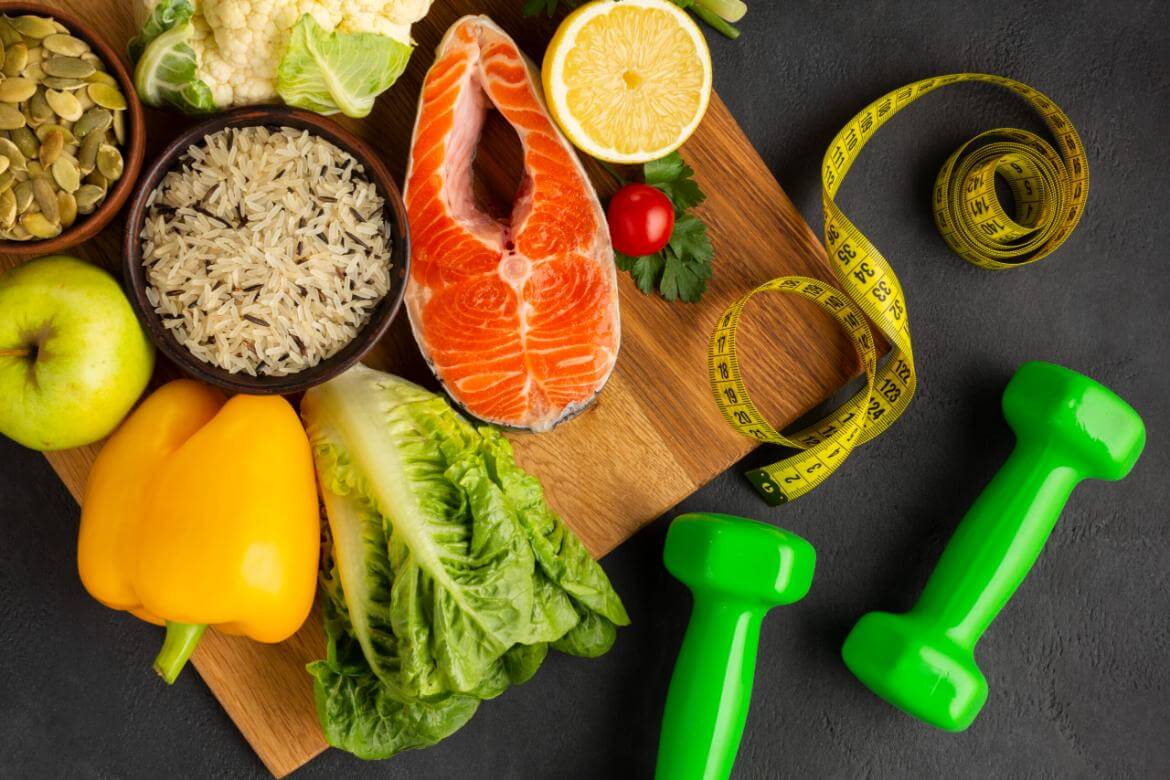
- Balanced and nutritious diet: Choose high-calorie yet nutritious foods. Consume foods rich in protein , healthy fats, complex carbohydrates, vitamins, and minerals. For example, create a meal plan that includes meat, fish, chicken, eggs, dairy products, nuts, seeds, whole grains, vegetables, and fruits.
- Increase your calorie intake: To increase your daily calorie intake, you can increase the number of portions and meals you eat. You can increase your daily calorie intake by eating more frequently, adding snacks, or consuming larger portions.
- Increase your protein intake: Protein is important for muscle growth and repair. Including protein-rich foods (meat, fish, chicken, eggs, dairy products, legumes, and soy products) in your diet can help support weight gain.
- Eat healthy fats : Healthy fats, which are high in calories, can help you gain weight. Include healthy fat sources like olive oil, avocados, hazelnuts, almonds, and walnuts in your diet.
- Do resistance training: In addition to gaining weight, engage in resistance training regularly to build muscle mass. Weightlifting, bodyweight exercises, and gym workouts strengthen your muscles and help you gain weight.
- Be mindful of your water intake: Water is essential for bodily functions. Drinking enough water is important for healthy digestion and bodily functions.
- Pay attention to stress management: Stress can negatively impact weight gain. Try to reduce stress by using relaxation techniques (meditation, deep breathing, exercise) to cope.
- Work with a doctor or dietitian: It's important to meet with a doctor or dietitian to determine the best plan for healthy weight gain. They can create an eating plan tailored to your individual needs and provide guidance.
What Should You Pay Attention to When Gaining Weight?
- Healthy diet: Even when gaining weight, you should maintain a healthy diet. Choose balanced and nutritious foods and follow a diet plan that includes protein, healthy fats, complex carbohydrates, fiber, vitamins, and minerals. Try to avoid fast food, processed foods, and sugary snacks.
- Calorie surplus: The basic principle of weight gain is that daily calories consumed exceed calories burned. However, be careful to achieve this surplus through healthy eating and in moderation. Aim for slow and controlled weight gain.
- Portion control: It's important to control portion sizes to increase your calorie intake. Trying to eat larger portions can contribute to weight gain. However, you should avoid excessive portion sizes and maintain a balanced diet.
- Regular meals: For healthy weight gain, you should eat regularly. You can also include snacks in addition to main meals. Make sure to nourish your body regularly and avoid skipping meals.
- Protein intake: Protein is important for weight gain and muscle growth. Include adequate protein-containing foods (meat, fish, chicken, eggs, dairy products, legumes, soy products) in your diet. Try to balance your protein intake throughout your meals.
- Exercise and muscle building: Increasing muscle mass is important when gaining weight. Resistance training can strengthen muscles and help you gain weight. However, be careful to exercise in moderation and listen to your body.
- Water Consumption: Drinking adequate amounts of water is essential for bodily functions. You should also be mindful of water intake during weight gain. Water supports digestion and hydrates your body.
- Health checkup: Get regular health checkups during weight gain. Stay in touch with your doctor or dietitian and monitor your progress during weight gain.
Is it possible to gain weight locally?
Yes, it's possible to gain weight locally. However, it's a common misconception that weight gain and weight loss occur locally. Body fat is stored throughout the body, and weight gain or loss typically occurs throughout the body.
While there are methods and exercises that target localized fat loss or weight loss, these often yield limited results. Body fat stores are influenced by various factors, including genetics, gender, and hormones. Therefore, it's impossible to fully control which areas of the body change during weight loss or gain.
If you want to gain weight, you should consume more calories overall and exercise regularly. However, it's unrealistic to expect weight gain and fat storage to be concentrated in a specific area. The factors that influence body composition are complex, and it's important to take a holistic approach. Creating a balanced diet and exercise routine for healthy weight gain can help you gain weight overall.
How to Gain Weight by Exercising?
Gaining weight through exercise is an effective way to increase your body mass index, build muscle mass, and achieve a healthier body composition overall. Here are some tips to help you gain weight through exercise:
- Resistance Training: Resistance training is one of the most effective ways to increase muscle mass. You can do weightlifting, bodyweight exercises, and exercises that target large muscle groups like legs and chest. These exercises help your muscles grow and strengthen.
- Adequate Protein Intake: Adequate protein intake is essential for muscle growth. When you exercise, protein is essential for muscle repair and growth. A balanced diet that includes protein sources such as meat, fish, chicken, eggs, dairy products, legumes, and soy products can be a good choice for your daily diet.
- Calorie Balance: To gain weight, you need to provide your body with a sufficient number of calories. It's important to increase your daily calorie intake to meet your body's energy needs. To achieve this, choose healthy and nutritious foods. Consuming more calorie-dense foods, rather than low-calorie snacks, can help you gain weight. However, you should be careful to increase your calorie intake without overdoing it.
- Regular and Advanced Exercise: It's important to exercise regularly to gain weight. You can establish a regular workout routine with programs you can do at the gym or at home. You can also build muscle mass more quickly by doing advanced exercises. This involves increasing the intensity and weight of the exercises, providing more stimulation to the muscles.
- Rest and Recovery: Muscle growth and development occur in the post-workout period. Therefore, it's important to prioritize rest and sleep. Getting enough sleep and allowing your muscles to recover between workouts will help you gain weight.
