


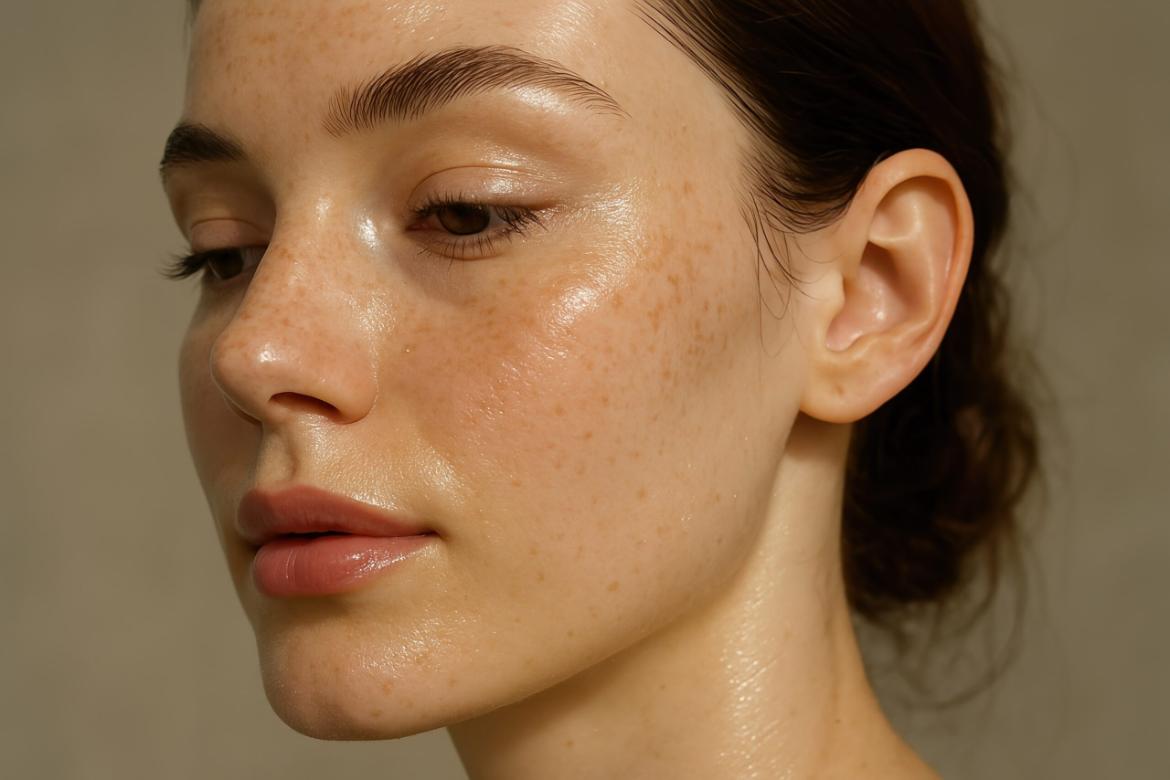
What Causes Facial Oiliness?
The sebaceous glands under the skin secrete a substance called sebum. The primary function of this secretion is to moisturize and protect the skin. However, excessive sebum production can lead to oily skin. This can make the skin prone to acne, make the face shiny, and enlarge pores. These conditions can often cause a person to feel uncomfortable with their appearance. Causes of oily skin include genetic predispositions and certain medical conditions, as well as unhealthy habits. When faced with such problems, it's important to seek help from a dermatologist. Following the recommendations of a specialist doctor, gentle and effective skincare methods, and if necessary, medical treatments, can help control oily skin.
Information about skin oiliness
The face and scalp are the areas of the body that contain the most oil glands. Overproduction of these glands results in oily skin. Excessive oil production can be caused by various factors, including age-related hormonal changes, incorrect cosmetic use, or lifestyle factors. When choosing cosmetics, individuals should be careful to choose products that do not clog pores and are non-comedogenic.
If your skin experiences frequent acne breakouts, excessive shine, or enlarged pores, you likely have oily skin. If you're unsure about your skin type, a skin analysis at a professional center can help you choose the right products.
One of the most important steps in caring for oily skin is cleansing. Cleansing your skin morning and evening with a suitable cleanser is essential. Moisturizing is also crucial for this type of skin. When choosing a moisturizer, choose water-based products to avoid further oil production. It's also important to consider your daily lifestyle.
Oily skin can be controlled with the right products, regular cleansing, and healthy lifestyle habits. Seeking expert advice will help you develop your personal care routine.
Causes of skin oiliness
When encountering skin problems, it's important to first determine whether the problem is physiological or related to other factors. If there's a hormonal or similar underlying issue, skin care products alone may not be effective in resolving the issue. If your oily skin is severe, it's crucial to consult a specialist. If a physiological problem isn't identified, other steps can be taken.
Our daily habits and lifestyles can affect various body systems, and skin is not immune to this. One of the leading causes of oily skin is an unhealthy diet. Eating habits can significantly influence skin oiliness. Consuming excessively salty, spicy, processed oils, and additives, especially fast food and sugary drinks, can increase skin oiliness.
Additionally, polluted air, dust, and various weather conditions can also cause oily skin. These factors include factors beyond a person's control and can negatively impact skin health.
Irregular sleep patterns and unhealthy habits (e.g., smoking, excessive alcohol consumption) can also contribute to oily skin. Genetic predisposition may also be a primary cause of oily skin. Psychological factors and stress from daily life can also contribute to excessive oily skin.
Recommendations for managing oily skin
To deal with the problem of excessive oily skin, it may be useful to pay attention to the following suggestions:
- Diet: Adopting a healthy diet is an important step in controlling oily skin. Eating a balanced diet, avoiding foods high in sugar, salt, and processed fats, can positively impact skin condition.
- Skin care: Cleansing your skin is a critical factor in maintaining oil balance. Regularly cleansing your skin with appropriate cleansers and using moisturizers appropriate for your skin type can help control oiliness.
- Avoiding harmful habits: Smoking and excessive alcohol consumption can negatively impact skin. It's important to support skin health by avoiding these habits.
- Adequate water intake: Drinking sufficient water daily can help maintain skin's moisture balance. Hydration positively impacts skin elasticity and health.
- Regular sleep: Getting enough, high-quality sleep supports body renewal and cell repair. Regular sleep can contribute to skin health.
- Avoid stress: Stress can trigger skin problems. Relaxation techniques, meditation, and exercise can help reduce stress.
- Appropriate supplements: Upon your doctor's recommendation, you may consider vitamin and mineral supplements that support skin health.
- Cosmetics suitable for your skin type : It's important to choose cosmetics that are suitable for your skin type. You can nourish your skin properly by choosing oil-free or water-based products.
- Professional help: If oily skin is a serious problem, it's important to seek help from a dermatologist or other specialist. Expert advice can help create a personalized treatment plan.
- General health management: Taking care of your overall health also positively impacts the condition of your skin. Adopting an active lifestyle, eating a balanced diet, and attending regular doctor's checkups all support skin health.
In combating oily skin, it is important to adopt a personalized approach and follow the recommendations in a disciplined manner.
What should a dry skin care routine be like?
Creating a proper skincare routine is important for individuals with dry skin to maintain and maintain the skin's moisture balance. A recommended care routine for dry skin:
- Cleansing: Start by cleansing your face using a gentle cleanser. Avoid over-washing to avoid excessive dryness. Gently cleanse your skin with lukewarm water.
- Toner: Alcohol-free, light, and moisturizing toners are suitable for dry skin. You can use toner to regulate the skin's pH balance and increase its moisture retention capacity.
- Moisturizing serum: Applying a moisturizing serum to your skin can provide deep hydration. Serums containing hyaluronic acid can increase the skin's ability to retain water.
- Moisturizing cream: Use a rich moisturizer specifically formulated for dry skin. Apply moisturizing cream regularly to keep your skin hydrated and protected. When applying the moisturizer to your face and neck, gently massage it into your skin.
- Eye cream: The eye area is particularly sensitive for dry skin. You can alleviate dryness around the eyes with a moisturizing and nourishing eye cream.
- Sun protection: Dry skin is more sensitive to the sun. Be sure to use broad-spectrum, high-SPF sunscreen daily. This is important to protect your skin from the sun's harmful effects and maintain its moisture balance.
- Weekly exfoliation: Gently exfoliating your skin once a week can help remove dead skin cells and dry skin. This can help your skin look healthier.
- Extra care: You can use moisturizing masks occasionally to provide deeper hydration. Choosing the right products for intense hydration can help support your dry skin.
Because everyone's skin is unique, it's important to carefully observe your skin's reactions when developing your skincare routine. Consulting a dermatologist can help you select the right products for you, ensuring you achieve more effective results.
What should an oily skin care routine be like?
It's important for people with oily skin to establish a proper skincare routine to control excess oil and support skin health. A recommended care routine for oily skin:
- Expert advice: Consulting a doctor about your oily skin can help you develop an effective treatment plan tailored to your skin type. It's important to learn about medications and recommended products.
- Cleansing: Gently cleanse your skin twice a day, morning and evening, using a gentle, oil-free facial cleanser. Choose alcohol-free products.
- Toner: You can regulate the pH balance of the skin by using alcohol-free, oil-free and balancing toners.
- Moisturizer: Oily skin still needs moisturizing. However, oil-free, lightweight, and water-based moisturizers are recommended. It's important to use a moisturizer to prevent your skin from producing unnecessary oil.
- Sun protection: Oily skin also needs sun protection. You can protect your skin from the sun's harmful effects by choosing sunscreens with a matte finish and a lightweight formula.
- Water-based makeup products: When choosing makeup, choose water-based, oil-free products. You can apply makeup without increasing excess oil.
- Blotting papers: You can use blotting papers to absorb excess oil that accumulates on your skin throughout the day. However, be careful, as overuse can irritate your skin.
- Hand-face contact: Avoid unnecessary touching of your face. Hands can spread surface oils and lead to acne.
- Weekly exfoliation: Once or twice a week, you can gently exfoliate your skin to remove dead skin cells. This can help your skin appear smoother and brighter.
- Expert monitoring: Monitoring changes in your skin and consulting your skin specialist when necessary can help you create the right care routine.
Choosing products appropriate for your skin type and maintaining a regular skincare routine will help you manage excess oil in oily skin. Following expert advice is crucial for maintaining healthy skin.
Precautions that can be taken to prevent facial oiliness
The following steps can be taken to control and prevent skin oiliness:
- Choosing the right skincare products: For oily skin, choose oil-free, lightweight, and non-comedogenic products. Cleansers, toners, moisturizers, and sunscreens should all be chosen according to your skin type. It's best to consult a dermatologist before choosing your products.
- Healthy diet: A balanced and healthy diet affects the overall health of the skin. Excessive consumption of salt, sugar, and fatty foods should be avoided. High-fiber foods, fresh fruits, and vegetables can help maintain healthy skin.
- Supplements: Some supplements can support skin health. For example, zinc can help with skin regeneration and repair. Retinoic acid and vitamin B3 (niacin) can also support oil gland control. However, it's important to consult a professional before using these supplements.
- Hydration: Drinking enough water is important for maintaining skin's moisture balance. When the body is hydrated from within, skin can look healthier.
- Makeup: If you're wearing makeup, choose oil-free, water-based products. It's important to remove makeup before going to bed at night.
- Avoid stress: Stress can trigger skin problems. Relaxing activities, such as meditation or yoga, can help reduce stress.
- Home skin care: Home care methods such as regular cleansing, weekly exfoliation, and moisturizing masks can help maintain skin health.
- Professional help: If oily skin becomes a serious problem, it's best to seek help from a dermatologist or skin specialist. Expert advice can help create a personalized care plan.
Controlling oily skin is possible with regular care and healthy habits tailored to your skin type and needs. Following expert advice can help prevent unwanted skin problems.
