


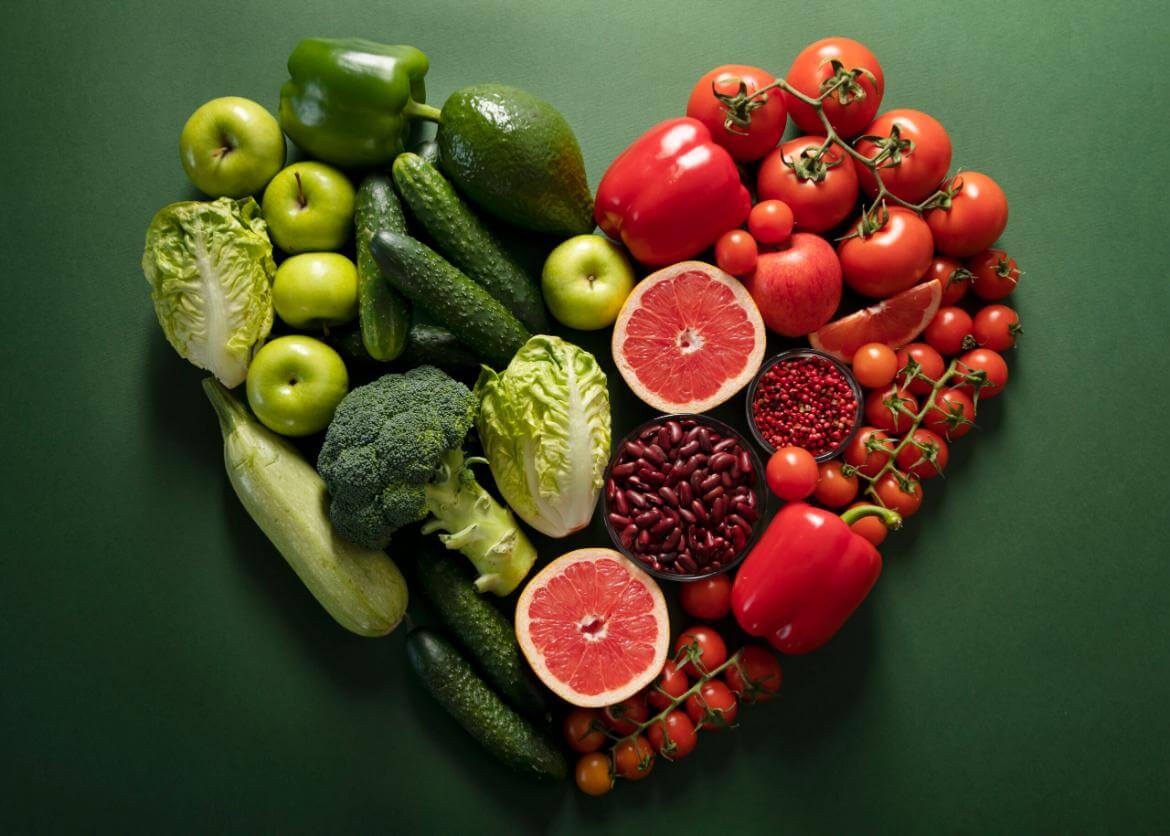
How to Eat Healthy?
Healthy nutrition is one of the most important aspects of maintaining both health and physical fitness. This process, which begins in infancy with breastfeeding or formula feeding, should continue into adulthood and old age. A healthy and balanced diet across all age groups is crucial for disease prevention and maintaining ideal body mass.
A balanced intake of all nutrients is essential for the body to function smoothly throughout its daily life. Therefore, it is crucial to adopt healthy and balanced eating habits. Furthermore, obesity is one of the most significant risk factors for many acute and chronic diseases for individuals of all ages. Therefore, maintaining an ideal body mass through a healthy diet and calorie intake appropriate for energy needs is crucial for disease prevention and a healthy lifestyle.
For all these reasons, healthy nutrition should be taken seriously and consciously at every stage of human life, from infancy to old age.
Healthy eating: Basic principles
Healthy eating involves consuming the nutrients the human body needs to perform its daily functions in the right amounts and in a balanced manner. Food provides the energy necessary to support our body's physical activities and biological functions. Carbohydrates, protein, and fat are the essential nutrients, and these macronutrients are vital for healthy body function.
Vitamins and minerals support the proper functioning of the digestive, respiratory, excretory, circulatory, nervous, skeletal, and muscular systems. We also need these nutrients for the proper production of hormones and body secretions, and for maintaining motor skills and cognitive function. A healthy and balanced diet is essential for the proper functioning of the digestive system and other bodily systems.
A healthy diet refers to a diet that includes all the macro and micronutrients a person needs in the right proportions. It also meets an individual's energy needs and aims to maintain an ideal body weight. However, due to individual differences in age, gender, health status, and genetics, a healthy eating plan cannot be the same for everyone. Therefore, personalized healthy eating plans should be developed by a registered dietitian.
The importance of healthy eating and food groups
A healthy diet is essential for maintaining healthy bodily functions. This nutritional approach aims to include adequate amounts of protein, carbohydrates, fat, vitamins, minerals, and dietary fiber in the right proportions. Here are some key points that explain why a healthy diet is important:
Proteins : Proteins are the fundamental building blocks of our bodies and perform many important functions. They support mental and cognitive functions, aid in muscle repair, contribute to energy production, and support vital processes such as the immune system and blood production. People who lead active lifestyles, in particular, have an increased need for protein.
Carbohydrates: Carbohydrates are the body's main source of energy. Complex carbohydrates from sources like grains, legumes, and fruits provide a healthy source of energy. Refined sugars and processed grains should be avoided because they can quickly raise blood sugar and cause energy spikes.
Fats: Fats are essential for proper bodily functions. However, fats are high in calories, so they should be consumed in moderation. Saturated fats and processed oils should be avoided, and healthy fat sources like olive oil should be preferred. Fish, which contains omega-3 fatty acids, should also be consumed regularly.
Dietary fiber: Fiber is important for digestive health. It also increases feelings of fullness and helps with weight control. Whole grains, vegetables, fruits, and legumes are high in fiber, and it's important to include these foods in your diet.
A healthy diet improves overall health and quality of life by providing the body with essential nutrients. Achieving the right balance of food groups increases disease prevention and balances energy levels. Therefore, it's important to pay attention to your eating habits to maintain a healthy lifestyle and support bodily functions.
Health problems that may be caused by unhealthy nutrition
Many of the chronic diseases prevalent worldwide can be directly linked to dietary habits. Furthermore, an unhealthy and unbalanced diet can increase the risk of many health problems, including acute illnesses. Some of the health problems that can be caused by an unhealthy diet include:
- Obesity : An unhealthy diet can increase the risk of becoming overweight or obese. Obesity is a major trigger for many diseases, including heart disease, diabetes, hormonal problems, and metabolic syndrome.
- Malnutrition: Malnutrition is the condition resulting from an unhealthy or unbalanced diet. This can lead to problems such as vitamin and mineral deficiencies, weakness, growth and developmental delays, and increased susceptibility to infection.
- Thyroid problems: An unhealthy diet can affect thyroid function and increase the risk of developing thyroid diseases.
- Infertility: Inadequate or unbalanced nutrition can affect the reproductive system and lead to infertility.
- Infections: Nutritional deficiencies can weaken the immune system, making it vulnerable to infections.
- Concentration and mental problems: An unhealthy diet can lead to mental health problems, causing problems such as forgetfulness, difficulty concentrating and confusion.
- Anemia: Nutritional factors such as iron deficiency and vitamin B12 deficiency can increase the risk of anemia.
- Organ dysfunction: An unhealthy diet can negatively affect the proper functioning of the liver, kidneys, and other organs.
- Bone and joint problems: Nutrient deficiencies, such as calcium and vitamin D deficiency, can harm bone and joint health.
- Muscle weakness and loss: Inadequate protein intake and an unhealthy diet can lead to muscle weakness (sarcopenia) and muscle loss.
Prolonged unhealthy, unbalanced, inadequate, or excessive nutrition can lead to more serious health problems and life-threatening consequences. Therefore, adopting a balanced and healthy eating habits is critical for improving overall health and quality of life.
Basic Steps to Creating a Healthy Nutrition Program
When creating a healthy eating program, you can adopt an approach based on the basic food groups (milk and dairy products, meat, eggs, fish and legumes, fruits and vegetables, and grains). The basic steps to creating a healthy eating program are:
Consider the food groups: Each food group in the alfalfa diet is important. Determine the daily portions you should consume:
- Milk and dairy products: At least 2 servings (or more if needed).
- Meat, eggs, fish and legumes: 2-3 servings of meat or fish per day, legumes 2-3 times a week.
- Fruits and vegetables: At least 5 servings (preferably more).
- Grains: If you have a sedentary lifestyle, 6 servings of whole grain products per day, if you are active, 7-8 servings.
Diversify your protein sources: Try to meet your protein needs from a variety of sources, such as meat, chicken, fish, eggs, legumes, and nuts. This will help you get beneficial nutrients from different foods.
Choose whole grains: When choosing grains like bread, pasta, bulgur, and rice, opt for unrefined, whole-grain versions. This is a healthier option that's higher in fiber and nutrients.
Variety of fruits and vegetables: You can get a variety of vitamins and minerals by eating fruits and vegetables of different colors. Include fresh, frozen, or canned fruits and vegetables.
Maintain balanced portion sizes: Portion control is an important part of a healthy diet. Prepare balanced portions of your meals and avoid overeating.
Prioritize water consumption: Make sure to drink enough water every day. Being dehydrated can be detrimental to your health.
Don't skip meals: Try to eat regularly, without skipping any meals. Choose healthy snacks between meals.
Consider your specific nutritional needs: If you have any medical conditions or illnesses (e.g., diabetes, hypertension), work with a healthcare professional or dietitian to create an eating plan that works for you.
Read nutrition labels: Check the nutrition labels on the products you buy to see the ingredients and serving sizes. This will help you shop more consciously.
Take a long-term approach: Healthy eating is a lifestyle. Instead of sudden dietary changes, try to take a long-term, sustainable approach.
Creating a healthy eating plan can be complex, so working with a dietitian or healthcare professional can help you create a plan that works for you. It's also important to get regular health checkups to review your eating habits and make adjustments as needed.
