


Non-Surgical Varicose Vein Treatment
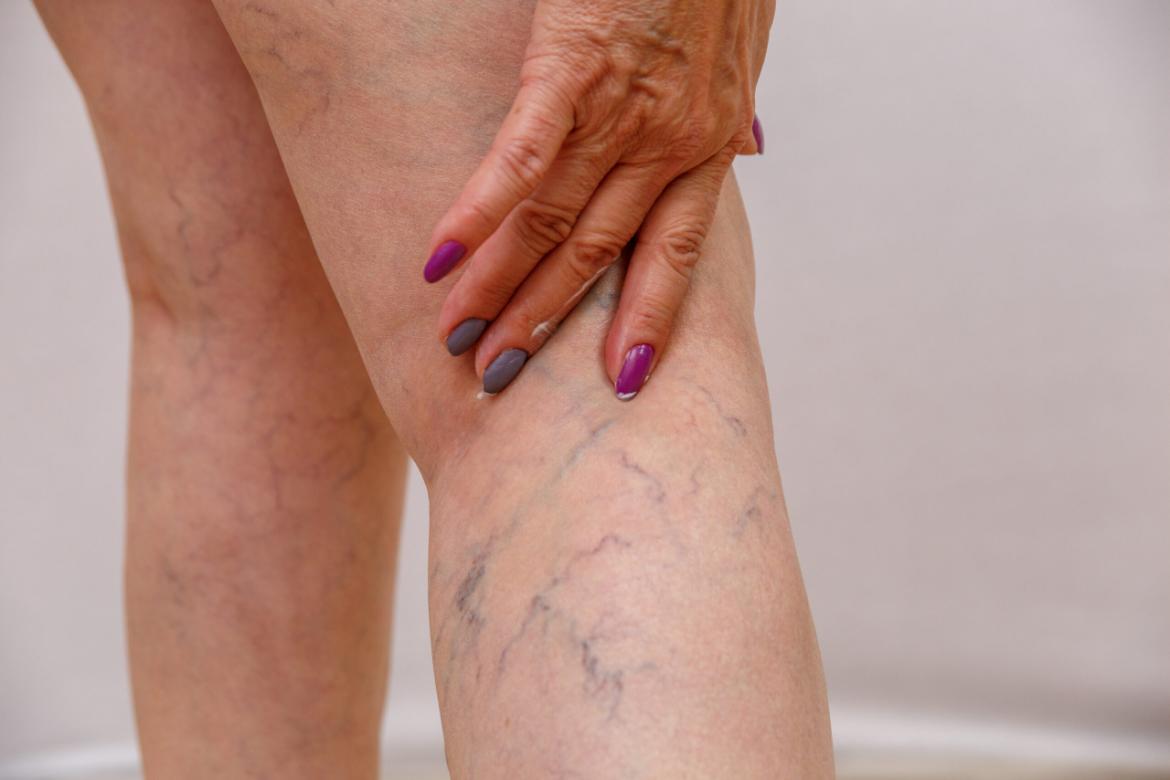
Varicose veins are a condition characterized by increased blood flow due to excessive dilation of the veins. When they occur in superficial veins close to the skin, they can cause a purplish appearance on the skin. They are particularly common in areas prone to bleeding, such as the legs. This condition, particularly common in adult women, can be bothersome not only aesthetically but also by causing pain and swelling. Before resorting to surgical intervention, nonsurgical methods for varicose vein treatment can be tried.
Varicose veins are a treatable health problem. With the appropriate treatment method, successful results are possible.
What is Varicose Vein Treatment?
Varicose vein treatment is a process aimed at treating a condition caused by the enlargement of veins near the skin's surface. As these veins enlarge, blood flow can increase. This can cause bruising and pain in the varicose vein areas. Symptoms such as swelling, warmth, redness, and skin ulcers can also occur. People with varicose veins often feel uncomfortable about their appearance, which can lead to low self-esteem and psychological difficulties.
Varicose vein treatment is an effective procedure that can achieve positive results. It's recommended that individuals experiencing symptoms of varicose veins consult a doctor. A thorough examination and diagnosis will clarify the situation. Furthermore, once the underlying cause of varicose veins is identified, the most appropriate treatment method is determined. Initially, nonsurgical treatment options are employed. However, in more advanced cases, surgery may be necessary.
The approach may vary depending on the individual's condition and the severity of the varicose veins. This may include injection treatments such as sclerotherapy, minimally invasive procedures such as radiofrequency ablation or laser ablation, or the use of elastic stockings. For more severe cases, surgical options may be considered.
What are the Varicose Vein Treatment Methods?
There are many methods for treating varicose veins. Both non-surgical and surgical options are available. Treatment methods can vary depending on the severity of the condition, the patient's general health, age, gender, and the location of the varicose veins. Veins are present throughout our bodies, and varicose veins can develop in any vein. Lifestyle changes that can help reduce the occurrence of varicose veins include:
- Exercise to increase blood flow in the veins.
- Limiting salt consumption.
- Opting for lower-heeled shoes.
- Trying to get rid of excess weight.
- Wearing loose and comfortable clothes.
- Raising your legs to heart level while sitting.
- Get up and move around regularly instead of sitting for long periods of time.
- Avoiding standing for long periods of time.
- Using compression stockings.
Vasodilation can occur for many reasons. In a healthy individual, veins have valves that prevent blood backflow. However, factors such as aging, prolonged standing, genetic factors, vascular diseases, pregnancy, and gravity can prevent these valves from functioning properly. This can lead to blood pooling in the lower legs and the formation of varicose veins. Once the causes are identified, appropriate treatment methods can be selected and treatment can begin.
Non-surgical varicose vein treatment methods may include:
Sparkling Varicose Vein Treatment:
Foam varicose vein treatment (sclerotherapy) is a non-surgical treatment for varicose veins. A sclerosant is injected into the varicose veins. Anesthesia is generally not required for this procedure. A sclerosant is a substance with tissue-destructive properties within the veins. Upon injection, the sclerosant gently collapses the veins, redirecting blood flow to healthier vessels. The disappearance of the affected veins results in improved aesthetics. This treatment is called "foam" varicose vein treatment because the sclerosant is turned into a foam before being injected into the vein. The foamy substance's ability to cover a larger surface area makes it effective for use on enlarged veins.
Laser Varicose Vein Treatment:
Laser treatment for varicose veins (laser ablation) is a non-surgical method that uses laser energy to treat varicose veins. The treated area can be numbed with local anesthesia. With advancing technology, laser devices are also being used to treat varicose veins. During treatment, a thin laser wire is inserted into the affected vein, which delivers laser energy to the vein walls. The resulting heat can cause the veins to constrict and, over time, be absorbed by the body .
Radiofrequency Varicose Vein Treatment:
Radiofrequency ablation (radiofrequency ablation) is a non-surgical treatment for varicose veins. In this procedure, radio waves generated by a radiofrequency device are applied to the walls of varicose veins. Performed by a specialist, the procedure first involves imaging the inside of the leg with ultrasound to identify enlarged veins. A thin wire catheter is then inserted into the vein. Through this catheter, radio waves are applied to the vein wall. The radiofrequency, which creates controlled heat, causes the veins to constrict and eventually disappear. This effectively eliminates enlarged, purplish varicose veins. Results can be visible within a few weeks or months, depending on the individual's condition and the severity of the varicose veins.
How is Varicose Vein Treatment Done?
Varicose vein treatment is a procedure that involves methods aimed at treating enlarged veins. Various treatment options are available, and you can choose between non-surgical and surgical procedures. The general stages of varicose vein treatment are:
- Evaluation and preparation: Before starting treatment, the patient undergoes a general health assessment. If taking blood-thinning medications, the medication may need to be discontinued or the dosage adjusted. Varicose veins are identified using imaging techniques such as ultrasound or venography.
- Choosing a treatment method: Non-surgical treatment options include foam varicose vein treatment, laser varicose vein treatment, and radiofrequency varicose vein treatment. The patient and doctor will jointly determine the most appropriate method.
- Procedure: The treatment generally does not require general anesthesia. A thin catheter or wire is inserted into the vein to be treated. Through this catheter, laser or radiofrequency energy is delivered to the vein wall. This energy heats the vein, constricting and sealing it. The patient is generally comfortable during the treatment.
- Recovery: After treatment, you may experience mild swelling or bleeding in your legs, but this is usually temporary. You can return to normal activities within a few days. Wearing compression stockings for the duration recommended by your doctor may be recommended.
- Follow-ups: Follow-up visits are performed at regular intervals after treatment. Imaging methods such as Doppler ultrasound are used to check the closure of the vessels. Additional treatment sessions may be scheduled if necessary.
- Results: The effects of treatment vary depending on the individual's condition. Significant improvement in the appearance of varicose veins is usually achieved within a few weeks or months.
After treatment, you may experience mild pain or discomfort. These symptoms can be alleviated by taking painkillers recommended by your doctor. It's important to consult a doctor if any problems occur. Treatment typically results in effective healing of varicose veins and an improved quality of life.
Information About Varicose Vein Treatment and Pricing
Varicose vein treatment is an effective procedure that can achieve successful results with non-surgical methods. Varicose veins, which can appear in various parts of the body, are a condition caused by the enlargement of veins. Varicose vein treatment costs can vary depending on the individual's specific circumstances. Factors affecting prices include the location and width of the varicose veins, the patient's age and health history, the type of treatment method, and the doctor's experience. Therefore, a thorough examination is necessary for the patient to provide accurate pricing information.
Varicose veins are a condition that can be successfully treated with non-surgical methods. Individuals experiencing this condition are advised to consult with specialist doctors at a reliable healthcare facility. A thorough examination, testing, and imaging studies can help identify the underlying cause of the condition and provide a definitive diagnosis. This process also helps determine the most appropriate varicose vein treatment method. For more information about non-surgical varicose vein treatment and pricing, please contact our hospital, which has a team of experienced physicians, and schedule an appointment.
