


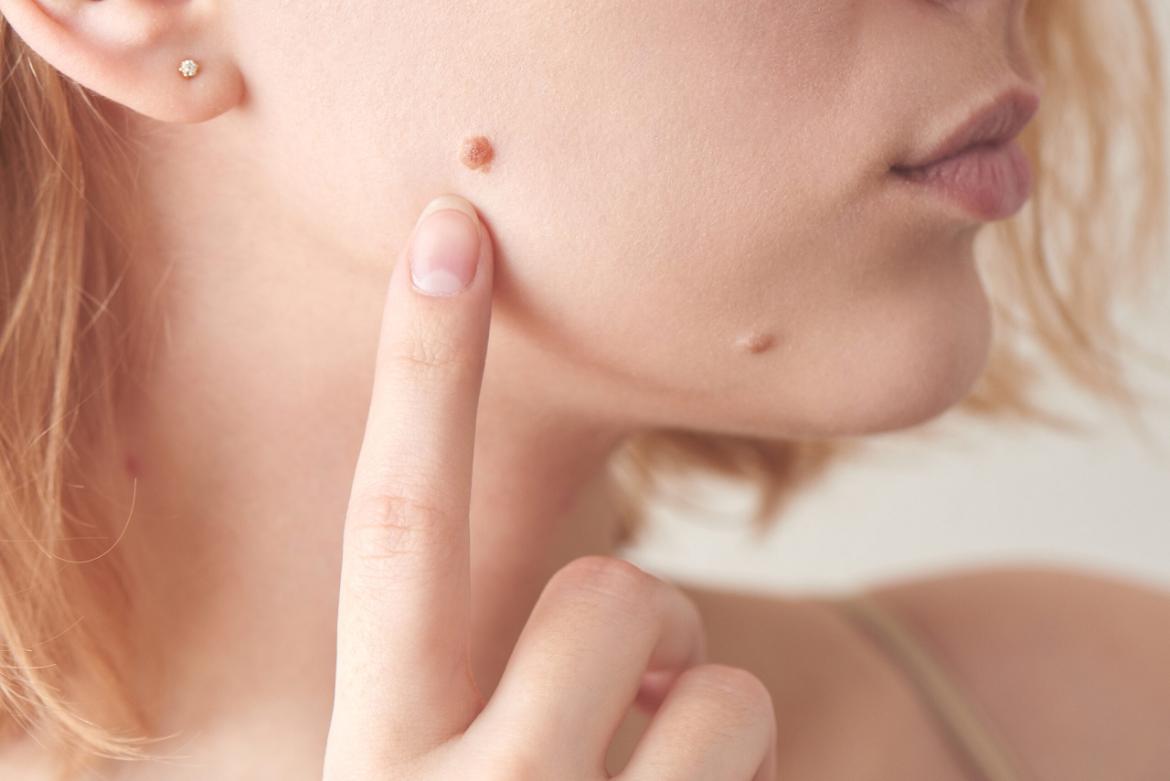
Wart
Warts are small, hard, raised, and usually colorless lesions that appear on the skin surface. They are usually caused by infection with a virus known as human papillomavirus ( HPV ). Warts are caused by the rapid growth of skin cells and can typically appear on various areas of the body, including the hands, feet, face, neck, and genital area.
There are different types of warts. The most common types are common warts (vulgar warts), flat warts (flat warts), plantar warts (sole warts), perianal warts (anal warts), filiform warts (spindle-shaped warts), and genital warts (sexually transmitted warts).
Warts are usually spread when the HPV virus enters the skin through small cuts, scratches, or breaks. The virus is often spread through skin-to-skin contact, shared towels or clothing, and shared areas like swimming pools and gyms.
Warts are usually painless, but they can sometimes cause itching, discomfort, or pain. Warts usually go away on their own, but they can take time and spread to surrounding tissues.
What Causes Warts?
Warts are skin lesions that appear on human skin, usually caused by a virus known as human papillomavirus ( HPV ). Warts are the result of an overgrowth of cells that settle in the upper layer of the skin.
The HPV virus is usually transmitted through skin-to-skin contact. The virus enters through microscopic cuts or cracks in the skin, where it colonizes the cells in the upper layer of the skin and disrupts the cells' normal growth cycle. As a result, the cells in the upper layer of the skin overgrow, forming skin lesions called warts.
Some types of HPV cause warts, while others can lead to more serious conditions like cancer. Warts can appear on a variety of skin areas, but are especially common in moist or friction areas, such as the hands, feet, face, and genitals.
The HPV virus can be spread from person to person, usually through direct skin-to-skin contact, sexual contact, or shared objects such as towels or shoes. People exposed to HPV may have an increased risk of developing warts, but some people don't know exactly why they develop warts.
Warts are usually harmless and may disappear on their own, but they may require treatment, especially if they spread or are cosmetically bothersome. It's important to take precautions to protect yourself from HPV, such as limiting skin-to-skin contact, avoiding sharing objects, and using condoms during sexual intercourse.
Are Warts Contagious?
Yes, warts are contagious. Warts are skin lesions caused by a virus called human papillomavirus (HPV), and the virus is easily transmitted through skin-to-skin contact. The HPV virus can be spread from person to person, usually through direct contact with skin containing warts or through shared objects.
The risk of warts becoming contagious can vary depending on the location and type of wart, as well as the individual's immune system. The risk of contracting HPV may be higher in moist, warm areas, areas with high skin friction, and areas with frequent direct contact with bare skin (such as the hands and feet).
HPV can also be transmitted through shared objects, such as towels and shoes. The risk of spreading the virus can be particularly high in public places like gyms, swimming pools, and showers. HPV can also be transmitted through sexual contact, and sexually transmitted HPV types can cause genital warts.
To protect yourself from HPV, it's important to take precautions, such as limiting skin-to-skin contact, avoiding sharing objects, and using condoms during sexual intercourse. It's also important for people with existing warts to be vigilant and treat their warts to avoid spreading the virus to others.
What are the Types of Warts?
Warts are skin lesions caused by a virus called human papillomavirus (HPV), and there are different types. Some of the types of warts are:
- Common Warts (Verruca vulgaris): These are the most common type of wart and typically appear on the hands and fingers. Common warts can be hard and raised, with an irregular surface. They are often surrounded by small black dots, which are caused by dilated blood vessels.
- Plantar Warts: These are warts that appear on the sole or heel of the foot. Because they often push into the skin, plantar warts can be painful and cause difficulty walking. Plantar warts are typically yellow or brown in color and often have black spots in the center.
- Flat Warts (Verruca Plana): These warts, which have a flat, smooth surface, usually appear on the face, hands, or arms. They are usually small in size and similar in color to skin tone.
- Genital Warts (Condyloma acuminata): These are warts caused by HPV strains transmitted through sexual contact and can appear on the genitals, sores, and anus and the surrounding area. Genital warts usually appear as soft, moist, flesh-like bumps and can sometimes appear in clusters or clusters.
- Oral Warts: These are warts that appear in the oral area, such as the lips, inside the mouth, and on the tongue. Oral warts can typically have a flat or raised surface and can appear inside the mouth, on the lips, tongue, or gums.
These are just some of the types of warts caused by HPV; other, rarer types of warts can also be found.
How Are Warts Diagnosed?
Warts are diagnosed by a dermatologist or other qualified medical doctor using a physical examination and sometimes laboratory tests.
- Physical exam: Your doctor will carefully examine your skin lesions to determine if they are warts. Warts are typically raised, colored (usually brownish or flesh-colored), round, or irregularly defined lesions on the skin. Warts can often have a structure different from normal skin tissue and can often appear in a single area or in a widespread manner.
- Dermatoscopic examination: A device called a dermatoscope is used to examine the close-up details of your skin. A dermatoscopic examination can help evaluate warts more thoroughly and distinguish them from other skin lesions.
- Lab tests: In some cases, your doctor may take a skin sample and run lab tests to diagnose warts. This can be used to confirm the diagnosis in more complex or questionable cases.
Diagnosis of warts typically involves a combination of distinct physical features and dermatoscopic findings. Differentiation from other skin lesions can sometimes be difficult, so it's important to consult a specialist.
How to Treat Warts?
Wart treatment can vary depending on the location, type, and size of the warts. Some common wart treatment methods include:
- Cryotherapy (ice treatment): This method uses liquid nitrogen to freeze the wart. The frozen wart is then rejected and falls off by the body.
- Salicylic acid: This is used by applying a lotion, gel, or patch containing salicylic acid to the wart. Salicylic acid helps peel and remove the wart.
- Electrocauterization: This is done by burning the wart by applying low-level electric current.
- Laser treatment: It removes the wart by using intense light energy.
- Cauterization: Removal of the wart by burning or freezing.
- Surgical intervention: Surgical methods may be used for large, deep, or widespread warts. The wart may be removed or cut out.
- Immunotherapy: In some cases, immunotherapy methods may be used to boost the body's immune response to warts.
It's important to consult a doctor before attempting wart treatment yourself. When choosing any treatment method, the location, size, and type of wart should be considered. It's important to follow your doctor's instructions carefully after treatment, and be careful not to disturb your wart until the treatment is complete.
