


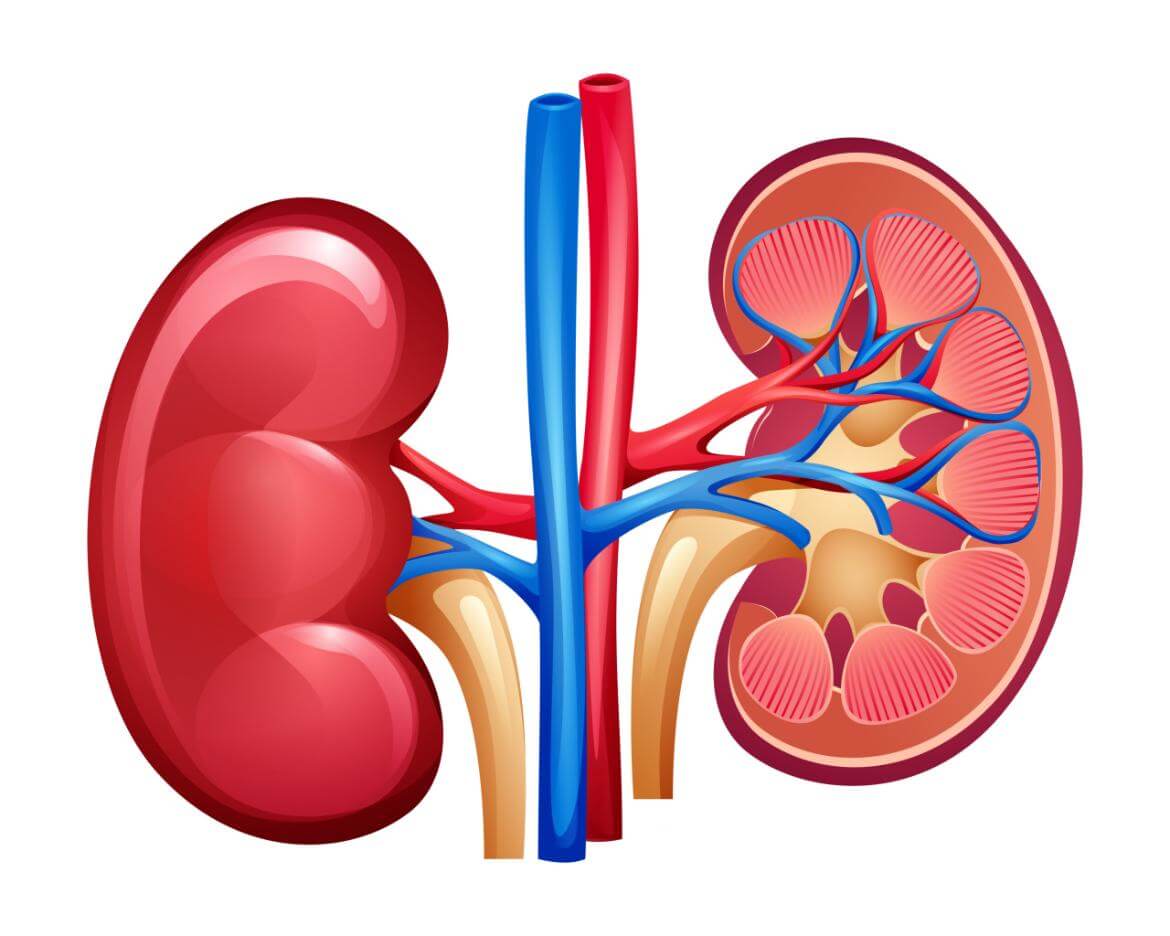
Nephrotic Syndrome
Nephrotic syndrome is a group of diseases that occur as a result of inflammation of the kidneys.
Nephrotic syndrome occurs when protein is excreted in the urine, usually as a result of damage to the filtering units of the kidneys, called the glomeruli.
Nephrotic syndrome is characterized by symptoms such as excessive loss of protein in the urine, low protein levels, high cholesterol levels, and edema (excessive fluid accumulation in the body).
What Causes Nephrotic Syndrome?
Although the exact cause of nephrotic syndrome is not fully understood, several factors are thought to contribute to the condition. These include:
- Immunological disorders: Most cases of nephrotic syndrome are associated with an immunological disorder in which the immune system mistakenly attacks and damages kidney tissue. The immune system can damage the kidney's filtering unit, called the glomerulus, leading to protein loss.
- Minimal change disease: Minimal change disease is the most common cause of nephrotic syndrome and usually occurs in childhood. In this condition, changes in kidney tissue are not visible, even at a microscopic level, and no specific cause can be identified.
- Focal segmental glomerulosclerosis (FSGS): FSGS is a condition that causes damage to the glomeruli of the kidneys and can lead to nephrotic syndrome. While the cause of FSGS is not fully understood, genetic factors, immune system disorders, and other causes may play a role.
- Diabetic nephropathy: Diabetic nephropathy is a kidney disease seen in people with diabetes and can lead to nephrotic syndrome. It occurs as a result of kidney damage caused by high blood sugar.
- Other causes: Some other systemic diseases and infections such as lupus nephritis, amyloidosis, HIV infection, hepatitis C infection may also contribute to the development of nephrotic syndrome.
But remember, the cause of nephrotic syndrome is complex and may differ in each case.
What are the symptoms of nephrotic syndrome?
Nephrotic syndrome is a condition that occurs when the kidneys fail to perform their normal functions and lose excessive protein in the urine. Symptoms of nephrotic syndrome may include:
- Proteinuria: In nephrotic syndrome, the kidneys excrete higher than normal amounts of protein into the urine. This can manifest as a foamy appearance and increased urine output due to protein loss.
- Edema: Edema (swelling) can occur due to fluid retention in the body. This swelling typically occurs in the face, eyelids, wrists, and ankles. It can be especially noticeable in the morning and can worsen after prolonged sitting or standing.
- Hypoalbuminemia: In nephrotic syndrome, blood levels of a protein called albumin may decrease due to the loss of proteins excreted in the urine. Albumin regulates fluid balance in the body, and hypoalbuminemia can lead to edema and other complications.
- Hyperlipidemia: In nephrotic syndrome, blood fat levels can rise. Blood fats such as cholesterol and triglycerides can increase, resulting in a condition called hyperlipidemia.
- Fatigue and weakness: Nephrotic syndrome may present with general symptoms such as fatigue, weakness, and weakness due to protein loss and fluid imbalance in the body.
- Decreased urine output: In nephrotic syndrome, urine output may decrease and the urine may be dark in color.
- High blood pressure: Nephrotic syndrome can develop due to the kidneys not being able to perform their normal function, leading to high blood pressure (hypertension).
However, keep in mind that nephrotic syndrome symptoms can vary from person to person and can be similar to other kidney diseases or health problems. If you suspect you have nephrotic syndrome, it's crucial to consult a healthcare professional.
How Is Nephrotic Syndrome Diagnosed?
Nephrotic syndrome can be diagnosed through several different tests and evaluations. These steps are generally followed:
- Patient's Medical History: A detailed evaluation of the patient's medical history, including symptoms, duration of illness, other health problems, and family history, is made.
- Physical Examination: A physical examination is performed to examine the patient's general health status, blood pressure, edema (fluid accumulation in the body) and other symptoms.
- Urine Tests: A patient's urine is examined during a routine urinalysis. In nephrotic syndrome, excessive amounts of protein (proteinuria) and fat droplets (lipiduria) may be detected in the urine.
- Blood Tests: The patient's blood is examined with various blood tests to evaluate kidney function. In particular, levels of albumin (a protein filtered by the kidneys) may be low.
- Biopsy : A kidney biopsy may be performed to determine the cause and type of nephrotic syndrome. This involves removing a tissue sample from the kidney using a fine needle and examining it in a laboratory.
- Imaging Tests: Imaging tests such as ultrasound , computed tomography (CT), or magnetic resonance imaging (MRI) may be used to evaluate the structural condition of the kidneys and possible causes.
A diagnosis of nephrotic syndrome is made based on the test results listed above, the patient's symptoms, medical history, and physical examination findings. A definitive diagnosis requires evaluation by a nephrologist (kidney disease specialist).
How is Nephrotic Syndrome Treated?
Treatment of nephrotic syndrome may vary depending on the underlying cause of the disease and the severity of symptoms.
- Steroid Therapy: The most common treatment for nephrotic syndrome is medications called corticosteroids. Corticosteroids, such as prednisone, are usually started at a high dose and then tapered. Steroids can reduce the symptoms of nephrotic syndrome by reducing the immune system's response and controlling kidney damage.
- Immunosuppressive drugs: Immunosuppressive drugs can be used to treat nephrotic syndrome. These drugs can reduce kidney inflammation by suppressing the immune system response. Drugs such as azathioprine, cyclophosphamide, and cyclosporine fall into this category and can be used to treat nephrotic syndrome.
- Diuretics: Diuretics (water pills) may be used to control edema (fluid retention). These medications increase urine production by the kidneys, helping to remove excess fluid from the body.
- Blood Pressure Control: Blood pressure must be tightly controlled in patients with nephrotic syndrome. Medications such as angiotensin-converting enzyme (ACE) inhibitors or angiotensin receptor blockers may be used to control blood pressure.
- Cholesterol and Lipid Control: Blood lipid (fat) levels may be elevated in nephrotic syndrome. Medications such as statins can be used to control cholesterol and lipid levels.
- Nutritional Support: Dietary supplements may be used to replace protein lost in patients with nephrotic syndrome due to proteinuria (loss of protein in the urine). A dietitian-guided protein and nutrition plan should be tailored to the patient's needs.
