


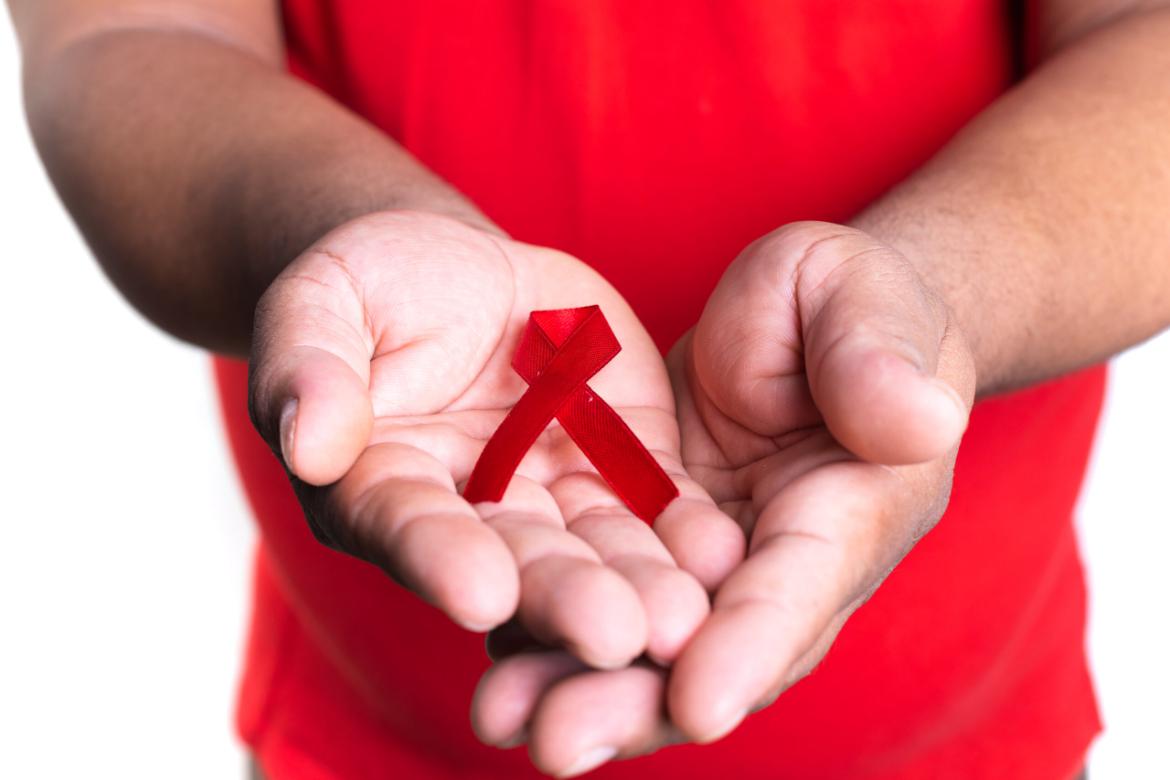
AIDS Disease – HIV
AIDS (Acquired Immunodeficiency Syndrome) is an infectious disease caused by a virus called HIV. The HIV virus targets and, over time, kills the cells of the body's immune system. This reduces the body's resistance to infections, cancers, and other health problems. AIDS is the final stage of HIV infection, in which the immune system is severely weakened, leaving the patient vulnerable to many different infections and cancers.
The HIV virus can be transmitted through unprotected sexual contact, blood, breast milk, or birth.
AIDS is a disease that cannot yet be cured, but it can be treated and controlled with antiretroviral drugs. It is possible to protect yourself from HIV infection by taking preventative measures.
What are the symptoms of AIDS disease?
Symptoms of AIDS appear in the final stages of HIV infection, when a person's immune system is severely weakened. Therefore, AIDS symptoms can vary depending on the health problems caused by various infections and cancers. AIDS symptoms are not always the same and can vary from person to person. Some common symptoms include:
- Prolonged diarrhea
- Weight loss and loss of appetite
- Fire
- Sweating (especially night sweats)
- Fatigue and weakness
- Skin rashes
- Sores or infections in the mouth, throat, or genital area
- Pneumonia or other respiratory infections
- Cancers (especially skin cancers such as Kaposi's Sarcoma)
- Neurological problems (e.g., forgetfulness, muscle weakness, difficulty speaking or walking)
How is AIDS transmitted?
HIV can be transmitted through body fluids such as blood, semen, vaginal fluids, anal secretions, and breast milk. Direct contact between body fluids is generally necessary for HIV transmission, so HIV can be transmitted through unprotected sex, shared syringes, or blood transfusions (especially from people with HIV). HIV can also be transmitted from a pregnant woman to her baby.
HIV transmission requires direct contact with bodily fluids, such as blood or sexual fluids, so HIV is not known to spread through the air or through coughing or sneezing. It is also known that being with or living with people living with HIV does not cause HIV transmission.
How is AIDS diagnosed?
An HIV test is used to detect HIV antibodies or the virus itself. HIV testing can be done through a blood test, saliva test, or urine test. If the test results are positive, further testing is necessary.
A CD4 count test helps determine how damaged a person's immune system is. Normally, a healthy person's CD4 count should be between 500 and 1,600 cells. For AIDS to be diagnosed, the CD4 count must fall below 200 cells.
For a diagnosis of AIDS, at least one of the symptoms of HIV infection must be present. These may include fever, weight loss, night sweats, recurrent infections, and signs of cancer. If you have concerns about HIV infection or AIDS, it is recommended that you consult a healthcare professional.
What are the treatment methods for AIDS disease?
While there is no cure for AIDS, antiretroviral (ARV) medications can slow the progression of HIV infection and control symptoms. Additionally, various treatment options are available for HIV and AIDS-related infections.
- Antiretroviral (ARV) drugs: ARV drugs are the most commonly used treatment for HIV infection and AIDS. These drugs slow the progression of the infection by preventing HIV from multiplying and controlling symptoms. These drugs are usually used in combination and are taken at doctor-recommended doses.
- Immune System-Boosting Medications: People with AIDS have severely weakened immune systems. Therefore, certain medications can help prevent illness by boosting the immune system.
- Antibiotics: Antibiotics may be used for infections that are common in people with HIV infection and AIDS.
- Antifungal Medications: Fungal infections are common in people with AIDS. Therefore, it is possible to treat infections with antifungal medications.
- Antiviral Drugs: Besides HIV infection, antiviral drugs can be used for other viral infections.
Treatment options may vary depending on the patient's condition and the progression of the disease.
