


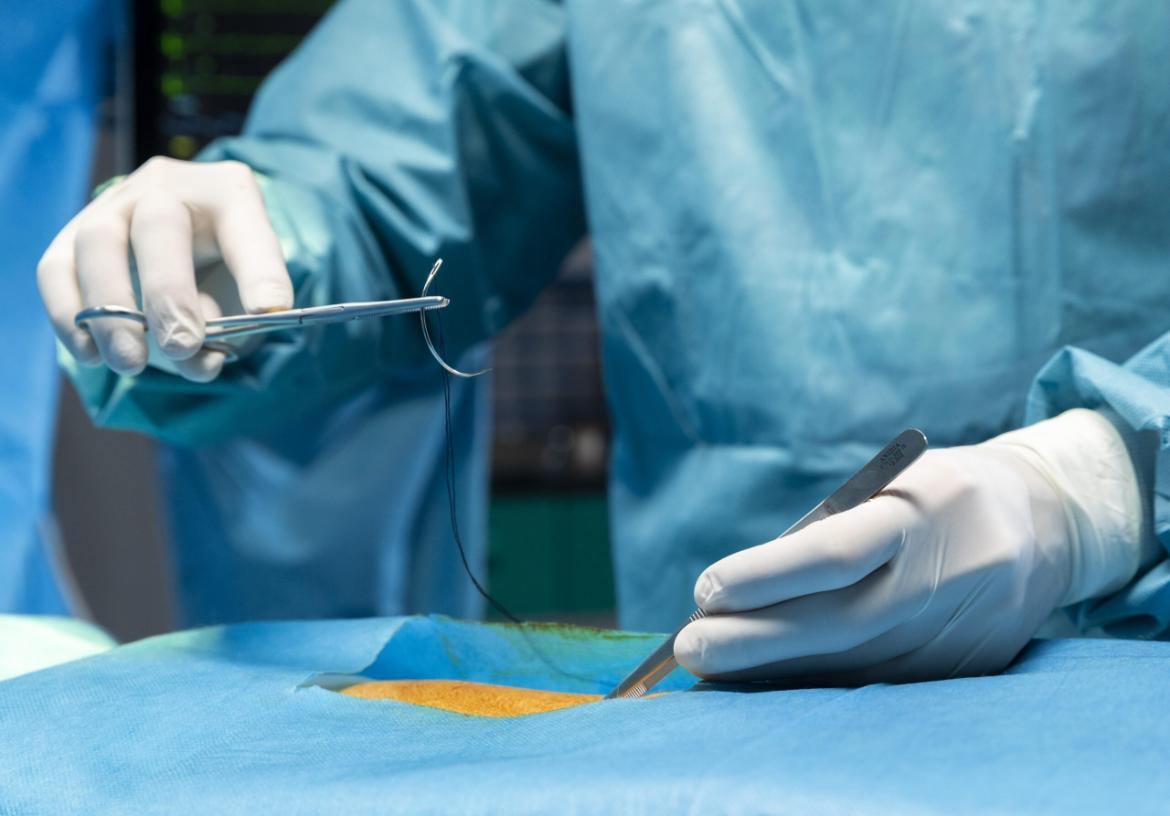
Vasectomy Surgery
Many new birth control methods are emerging in our country. When we think of birth control methods, the first methods that come to mind are those applied to women. Vasectomy is known as a permanent birth control method. The purpose of a vasectomy is to prevent sperm from entering the urethra, thus preventing pregnancy.
Vasectomy is not performed on women. This surgical procedure, performed on men, involves cutting, tying, or sealing the sperm ducts. Before undergoing a vasectomy, a person must be certain they do not want to have children in the future. This surgical procedure prevents sperm from entering the urethra. Tubal ligation in women is almost identical to vasectomy in men.
Vasectomy surgery has become a commonplace and easily performed procedure. We perform vasectomy surgery at Ankara Private Magnet Hospital. You can visit our hospital, comfortably and safely under appropriate hygiene conditions, and begin your treatment with our urologist by having an initial consultation.
Why is vasectomy performed?
Vasectomy is a safe and effective birth control method for men who are certain they do not want to have children in the future. It is one of the most commonly used birth control methods. Here are some reasons for its popularity:
- Vasectomy is nearly 100% effective in preventing unwanted pregnancy.
- Vasectomy surgery is a simple operation with few complications or side effects.
- Hospitalization is generally not required for people who have a vasectomy.
- After vasectomy surgery, you do not need to use birth control methods, such as wearing a condom before sexual intercourse.
Who Can Have Vasectomy?
Vasectomy can be performed on any man over the age of 18 who has no health issues. To undergo the procedure, the individual must be certain that they do not want children. Married men cannot undergo the procedure without the consent of their spouses. The greatest advantage of vasectomy is that it is considered a permanent and lifelong birth control method . Vasectomy is a reversible procedure. Before the procedure, sterilization is performed with the intention of making the process permanent, as complete reversal is not possible. While reversal is successful in some cases, the individual may experience difficulties conceiving.
Before undergoing surgery, the patient should inform their doctor of any medications they are currently taking, and these medications should be reassessed under their supervision. Supportive underwear should be worn to minimize post-operative swelling and support the scrotum. The vasectomy procedure takes approximately 20-30 minutes. Those considering a vasectomy should discuss this with their doctor thoroughly, obtaining the necessary information, and then finalize their decision. This procedure is generally performed by a urologist.
How is Vasectomy Surgery Performed?
When beginning a vasectomy, your doctor first injects a small needle into the skin of your scrotum to administer a local anesthetic. A small incision is made at the top of the scrotum, or an incision is made in the scrotum. The location of the vas deferens, the tubes that carry semen from your testicles to the urethra (where urine exits), is then determined. The vas deferens tubes are then pulled out through the incision or puncture. The portion of the tube/channel that is pulled out of the vas deferens is then removed from the scrotum. The two ends of the cut channel are then tied and closed with surgical clips or a combination of methods. The ends of the closed channels are then repositioned back into the scrotum. The incision or puncture site is closed with a special adhesive or stitches.
After Vasectomy Surgery
It's quite normal for men to experience some bruising, swelling, and pain after vasectomy surgery. These symptoms usually resolve within a few days. However, if this swelling and bruising gradually increase, your doctor should be aware of any symptoms that might indicate an infection, such as fever and increased pain. There are certain things to keep in mind after surgery:
- You must support your scrotum with tight-fitting underwear for at least 48 hours after your vasectomy.
- Cold or ice should be applied to the scrotum for the first two days after vasectomy surgery.
- Restrict your activities for a few days after the procedure. It's important to rest for 24 hours after your vasectomy. You can resume your daily activities a few days after surgery, but you should avoid heavy lifting, strenuous activity, and sports. Strenuous activity and excessive activity can cause pain or bleeding inside the scrotum.
- Sexual intercourse should be avoided for about a week after a vasectomy. If you ejaculate, you may experience pain or blood in your semen. After vasectomy, you should use other birth control methods until it's confirmed that you no longer have sperm in your semen.
After a vasectomy, there's a high probability of previously produced sperm remaining in the tubes. However, after 20 ejaculations, these sperm are no longer present in the semen. Therefore, it's advisable to use control methods during the first ejaculation after the procedure. A vasectomy prevents sperm produced by the testicles from reaching the semen. Because these sperm cannot be expelled, they are reabsorbed by the body, and this reabsorption doesn't cause any problems.
Vasectomy Advantages and Disadvantages
As with any surgery, complications such as bleeding are quite normal after surgery. This bleeding is minor and does not cause any harm to the body. The likelihood of infection is extremely low. The only cause of infection is performing an improper procedure in an unsterile environment with unsterile instruments. Infection can occur in such a procedure.
However, because sperm production continues, sperm may accumulate outside the connected ducts over time, or they may grow to the size of a marble or form a lump. This does not have any adverse effects on the person's body. In fact, if the person wishes, this sperm can be easily ejaculated by a specialist. The following are the potential disadvantages of vasectomy.
The advantages of vasectomy surgery are that the probability of pregnancy is almost certainly eliminated. Vasectomy is a very simple procedure, preventing a man from impregnating a woman. In addition to the advantages listed, there is no interruption of sexual intercourse.
Is Vasectomy Surgery Reversible?
Vasectomy is theoretically reversible. However, there are no guarantees of reversal, as reversal is quite problematic. Therefore, men considering vasectomy should be certain that they do not want to have children. Vasectomy patients should not assume a guaranteed reversal, as the reversal rate is around 50%. Vasectomy is a very simple procedure. Any urologist can perform a vasectomy. Vasectomy reversal is performed by specialists in the field who have specialized in microsurgery.
Complications that may develop due to surgery :
- Although rare, pregnancy may occur,
- Inflammation formation that causes sperm leakage,
- Chronic pain occurs in approximately 1% to 2% of those who undergo surgery,
- Pain that worsens with ejaculation in case of fluid accumulation in the testicle,
- Complications such as abnormal cyst formation may occur in the testicle, which collects and transports sperm.
Most frequently asked questions
Vasectomy surgery prices?
To learn more about vasectomy costs and detailed information about the surgery, call or visit Ankara Private Magnet Hospital. Consult with our urologists and begin your treatment process comfortably and safely. You can easily schedule an appointment by calling our hospital. Contact us at 0312 212 80 80
Can men who have had a vasectomy ejaculate?
After the surgery, the patient's ejaculation continues in the same manner. However, there will be no sperm in the semen. This procedure has no effect on male sexual performance, such as erection, ejaculation, sexual desire, or satisfaction.
Is vasectomy surgery 100% successful in preventing pregnancy?
The success rate for preventing pregnancy is quite high, in fact, close to 100. Vasectomy is an effective method.
Does vasectomy surgery reduce sexual desire?
Yes, vasectomy surgery can reduce sexual desire in men in some cases. A vasectomy is a surgical procedure that affects men's natural fertility. During the surgery, the sperm-carrying ducts (vas deferens) are cut or tied, preventing sperm from mixing with semen during ejaculation.
Sexual desire depends on many factors and can vary from person to person. A decrease in sexual desire may be observed after a vasectomy, but this effect may not be the same for everyone. Some men experience no change in sexual desire, while others may experience a slight decrease or, in rare cases, a more significant decrease.
As Ankara Private Magnet Hospital, we wish you healthy days.
