


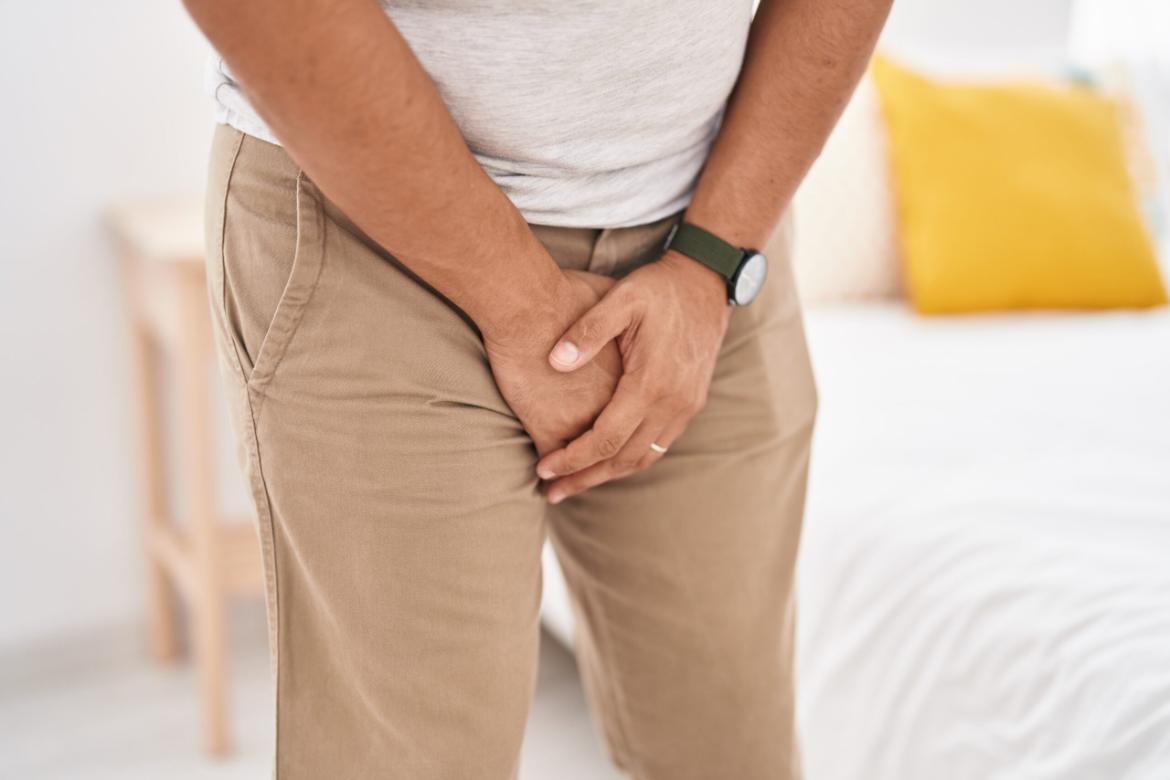
Varicocele Surgery
What is Varicocele?
A varicocele is the medical term for the swelling and enlargement of a vein located in the scrotum, which contains the testicles (ovaries). These veins are similar to varicose veins that occur in the legs. They are most common in young men and men during puberty. Most varicoceles occur in the upper part of the testicles, usually in the left testicle. In men, the swelling in the veins is visible to the naked eye when standing. Varicoceles do not cause any pain, but some people may experience pain. If a person experiences pain, they should consult a urologist for treatment. Otherwise, if ignored, it can lead to infertility. The treatment method is entirely surgical. Varicocele Surgery is a surgical procedure. The goal of this varicocele surgery is to compress or close the affected vein to redirect blood flow to normal veins.
Diagnosing varicoceles is quite easy. You can visit the Urology Department at Ankara Private Magnet Hospital, have a consultation with our doctor, and begin the treatment process.
What are the symptoms of varicocele?
Varicoceles generally do not cause any symptoms or signs. Occasionally, they may present with pain. The cause of varicocele pain is prolonged standing and daily activity, which can exacerbate the pain. If the pain is severe, a person can lie on their back and wait. This will alleviate the pain. Another symptom in men is swelling, usually in the left testicle. Other causes include redness, sweating, and a warm sensation over the testicle.
When these symptoms occur in men, those who feel pain and swelling in the scrotum, a mass in the ovaries, or a feeling of enlargement in one of the testicles should definitely consult a specialist doctor.
What Causes Varicocele and How Can It Be Understood?
It's a common condition in males during adolescence. The exact cause of varicocele isn't yet clear. However, it's more common in individuals who engage in activities that increase intra-abdominal pressure, those with constipation, those who work in jobs that require prolonged standing, and those who are overweight or tall. In men, the vein that carries impure blood from the testicles is damaged, preventing it from returning to the heart. This causes the testicles to swell and wrinkle. This obstruction of blood flow can cause problems in the testicles and reduce male fertility.
How is Varicocele Diagnosed?
Individuals can detect the presence of a varicocele by observing irregularities, swelling, and pain in the testicles. For a definitive diagnosis, a person should always consult a urologist. A varicocele examination is considered part of the genital examination. A doctor's examination is essential to confirm and assess the presence of a varicocele. If the testicle is visible during the examination, treatment is initiated. However, if it is not noticeable, the patient is asked to stand up, take a deep breath, close their mouth and nose, and then strain to exhale. During this examination, your doctor can observe the vascular structure for dilation. The veins in the scrotum are more easily seen when the person is standing. For this reason, some individuals may be examined while standing. This allows for the diagnosis of a varicocele and its severity. Both testicles should be examined by your doctor. The scrotum with a varicocele is usually small. To determine the presence of a varicocele and determine its severity, the doctor may order an ultrasound, the results of which will be evaluated in addition to the physical examination.
The person is evaluated at three different levels during the physical examination.
- Grade 1: No symptoms are visible when examined standing, but they can be felt by hand. It is rarely noticeable when the person strains or pushes.
- Degree: It can be observed with the naked eye in people who are examined while standing and can be felt by hand without any effort.
- Degree: Varicose veins are clearly visible from the outside. The most severe type is Grade 3.
Varicocele Treatment Method
Some people don't require treatment for varicoceles. A man with a varicocele can father a child without any treatment. First, the patient's testicular size and consistency should be assessed. If there's a significant difference in testicular size, your doctor will likely recommend surgery. However, if the varicocele is causing pain or causing abnormal sperm counts, varicocele surgery is recommended. Surgery is recommended if the man has any of the following symptoms:
- If the person's sperm is not healthy
- If the varicocele problem is seen in both testicles
- The affected testicle is small
- If a person has a problem that affects fertility
- If the patient experiences pain, significant swelling, or physical discomfort, surgery may be recommended.
How is Varicocele Surgery Performed?
Varicocele Surgery is a surgical treatment. The goal of this varicocele surgery is to compress or seal the affected vein to redirect blood flow to normal vessels. The blocked blood flow is then directed to healthy vessels. It has a lower risk compared to other treatments. The potential risks include:
- Infection in a person
- Damage to the vein
- Recurrence of varicoceles
- Some of the reasons for surgery include fluid accumulation around the testicle.
Merely experiencing varicocele pain is not sufficient reason for surgery. Even if a single one of the listed problems is present, individuals should definitely consult a doctor for evaluation. Two different methods are used for varicocele surgery :
- Varicocelectomy: This surgery is an open procedure. It is one of the most preferred methods. The surgery can be performed under general or local anesthesia. This procedure is usually performed as an outpatient procedure in one day. The urologist performing the surgery must approach the affected veins from an inguinal or sub-groin approach. An incision may be made in the abdomen during the procedure. After this procedure, your doctor will clamp or ligate the abnormal vein using a microscope. During this procedure, blood flow is expected to pass through the surrounding veins.
- Varicocele Embolization: This procedure requires more surgery than open surgery. During the procedure, a small, hollow plastic tube is inserted into the groin vein. The tissue is destroyed by injection into the varicocele. This procedure prevents blood from reaching the abnormal veins.
After Varicocele Surgery
People who undergo varicocele surgery can return to their normal routine two days after surgery, avoiding strenuous activities. When exercising, individuals should not start suddenly; they should take breaks and gradually ease into the exercise without exerting themselves. Pain after surgery is quite normal. This pain can last for a few days or weeks. Your doctor will prescribe a painkiller to temporarily relieve the pain. It is recommended to abstain from sexual intercourse for a period of time after surgery. After the surgery, the patient typically experiences relief from their symptoms.
Varicocele Surgery Types: Open surgery: The enlarged veins are ligated through an incision in the groin area. Laparoscopic surgery: A lighted device is inserted through incisions in the abdomen, and the enlarged veins are ligated.
Frequently Asked Questions?
Which Doctor Performs Varicocele Surgery? Diagnosing a varicocele requires a referral to a urology department. A urologist performs varicocele surgery . Urologists perform various examinations to diagnose varicoceles.
What is the Price of Varicocele Surgery?
At our hospital, prices vary depending on the procedure and the surgeon performing it. Our Ankara Magnet Private Hospital is located in Tandoğan (Anatolian Square). You can schedule an appointment and obtain the necessary information from your doctor by calling our hospital . 0312 212 80 80
Does Varicocele Cause Infertility?
One of the goals of varicocele treatment is to prevent infertility. Varicocele surgery eliminates the cause of infertility.
What Happens If Varicocele Is Not Treated?
Varicoceles don't resolve spontaneously unless treated. Sperm quality gradually declines. The condition progresses and can cause a variety of problems, including varicocele enlargement and testicular shrinkage.
How Long Does Varicocele Surgery Take?
The duration of varicocele surgery varies between approximately 1 and 2.5 hours.
Will There Be Pain in the Ovaries After Varicocele Surgery?
During varicocele surgery, which is a surgical procedure, tissue damage may occur. This damage contributes to pain in the patient.
Can People Who Have Varicocele Surgery Have Children?
Improvement in sperm parameters occurs in 60% to 70% of patients who undergo surgery. Varicocele surgery is recommended for those who wish to have children. However, for younger individuals diagnosed with varicoceles, IVF or insemination is preferred to avoid wasting time.
How Long Does It Take to Heal After Varicocele Surgery? While the recovery period after varicocele surgery varies from person to person, patients can generally return to their daily activities within 1 to 2 weeks. However, full recovery can take 4-6 weeks, depending on the type of surgery. During this time, it's important to follow your doctor's instructions to speed up the healing process.
Where Does Varicocele Pain Strike? Varicocele pain is felt in the groin area and is sharp and widespread.
When and at What Age Should Varicocele Surgery Be Performed? Varicocele surgery is generally performed after puberty, meaning age 18 or older. The timing of surgery is determined by whether the varicocele is causing problems such as pain, infertility, or testicular shrinkage. Therefore, the decision to undergo surgery is made after evaluating each individual's condition.
