


Uveitis
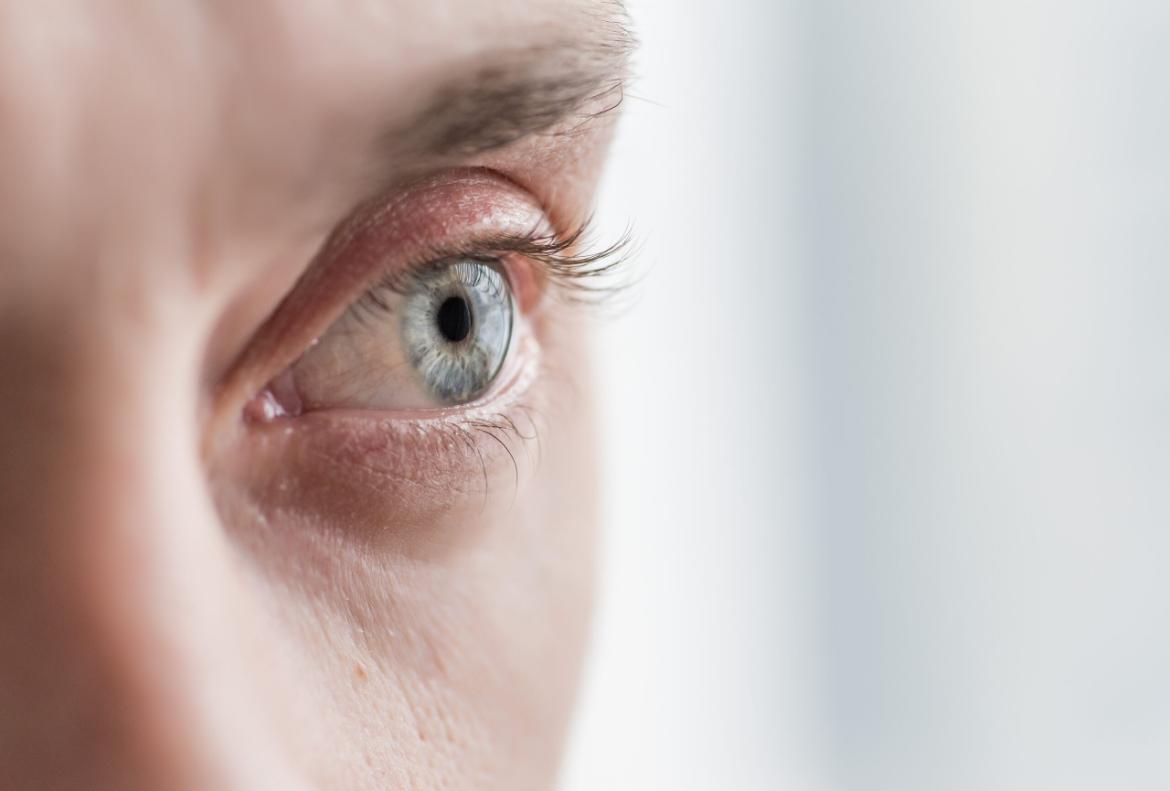
Uveitis is inflammation of the uvea, the inner layer of the eye. The uvea is a structure that includes the iris (the colored part), the ciliary body (the muscles that provide refractive power), and the choroid (the layer rich in blood vessels at the back of the eye).
What are the symptoms of uveitis?
Uveitis symptoms occur due to inflammation of the inner layer of the eye. These symptoms can vary depending on the type and severity of uveitis. Some of the symptoms include:
- Blurred or decreased vision: Uveitis can affect the eye's visual structures, such as the retina or optic nerve. This can cause blurry or loss of vision.
- Eye redness: Uveitis, an inflammation of the inner layer of the eye, can cause eye redness. This is usually a widespread redness.
- Eye pain: Uveitis can cause eye pain. The pain can often be dull or sharp. The pain may worsen with eye movement or exposure to light.
- Photosensitivity: People with uveitis may experience extreme sensitivity to light. They may tend to avoid bright lights or the sun.
- Spots or blotches in the field of vision : Uveitis can cause spot or blotchy distortions in the field of vision due to inflammation inside the eye.
- Foreign body sensation in the eye: Uveitis can cause a feeling of irritation or a foreign body sensation in the eye. Symptoms such as itching or burning in the eye may also occur.
- Watery eyes: People with uveitis may experience increased watering of the eyes. Tear production may increase, and the eyes may become constantly watery.
These symptoms can vary depending on the different types and severity of uveitis. When symptoms appear or are suspected, it's important to see an ophthalmologist. Proper diagnosis and treatment can help prevent complications from uveitis and preserve eye health.
What are the causes of uveitis?
- Infections: Infections can be a significant cause of uveitis. Bacterial, viral, fungal, or parasitic infections can lead to uveitis. For example, viruses such as cytomegalovirus (CMV), toxoplasmosis, and herpes, and bacterial infections such as tuberculosis, syphilis, and Lyme disease, can increase the risk of uveitis.
- Autoimmune diseases: Autoimmune diseases can contribute to the development of uveitis, where the immune system attacks normally healthy tissue. For example, autoimmune diseases such as Behcet's disease, rheumatoid arthritis, ankylosing spondylitis, ulcerative colitis, and Crohn's disease can cause uveitis.
- Systemic Inflammation: Widespread inflammation throughout the body can increase the risk of uveitis. These include conditions such as sarcoidosis, spondyloarthropathies (e.g., ankylosing spondylitis), rheumatoid arthritis, and ulcerative colitis.
- Eye trauma: Eye trauma can contribute to the development of uveitis. This can occur, particularly from trauma caused by foreign objects in the eye or from blows to the eye.
- Medications: Certain medications can cause uveitis. For example, some antibiotics, antifungal medications, anti-inflammatories (such as nonsteroidal anti-inflammatory drugs), immunosuppressive medications, and antipsychotics may increase the risk of uveitis.
- Idiopathic uveitis: In some cases, the cause of uveitis cannot be determined, and this condition is called idiopathic uveitis. That is, no specific cause for the development of uveitis can be identified.
This is only a list of some common causes of uveitis; each case can be different. Once uveitis is diagnosed, your doctor will typically try to determine the underlying cause and recommend appropriate treatment.
What are the treatment methods for uveitis?
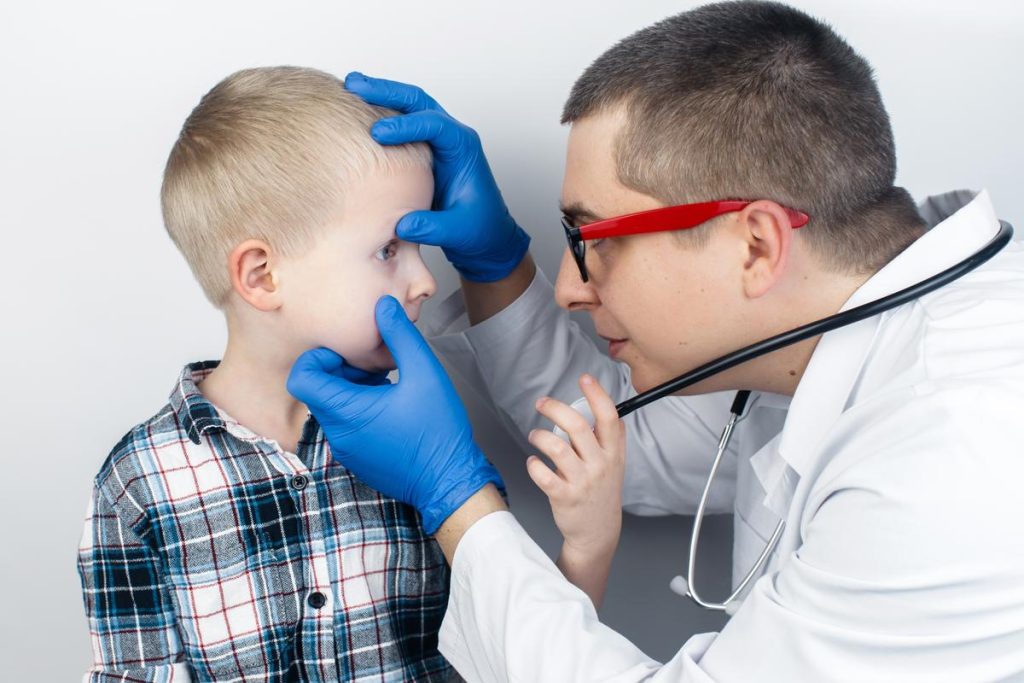
Treatment for uveitis may involve a combination of therapies aimed at identifying the underlying cause and controlling the inflammation. The treatment plan may vary depending on the type of uveitis, its severity, and the areas of the eye affected. Treatment is typically administered by an ophthalmologist or uveitis specialist. Some methods used to treat uveitis include:
- Eye drops: Eye drops containing steroids or corticosteroids may be used to reduce inflammation and relieve symptoms. Eye drops are usually used regularly over a period of time.
- Oral medications: In some cases, oral corticosteroids or other immunosuppressive medications may be prescribed to control inflammation and treat the underlying cause of uveitis. Use of these medications should be closely monitored by a doctor, as long-term use can cause side effects.
- Intraocular injections: In some cases, corticosteroids or immunosuppressive medications can be injected directly into the eye. These injections can be used to quickly control inflammation and intensify the medication's effect within the eye.
- Anti-inflammatory medications: Immunosuppressive medications, which suppress or regulate the inflammatory immune response, may be used to treat uveitis. These medications are generally intended for long-term treatment and are monitored by a doctor.
- Infection treatment: If uveitis is caused by an infection, the goal is to treat the organism or pathogen causing the infection. In this case, antibiotics, antiviral, or antifungal medications may be used.
- Supportive treatment : Supportive treatments may also be used to relieve symptoms of uveitis and maintain eye health. These may include eye drops or ointments, glasses or contact lenses, sunglasses, and eyewash techniques.
Can uveitis be a symptom of other diseases?
Yes, uveitis can sometimes be a symptom of or associated with other conditions. Uveitis can also be a symptom or a complication of other underlying health problems, such as certain infections, autoimmune diseases, or systemic inflammation. Some conditions that can be associated with uveitis include:
- Autoimmune Diseases: Uveitis is frequently associated with autoimmune diseases. These are conditions in which the immune system attacks normally healthy tissue. Autoimmune diseases such as systemic lupus erythematosus, Behcet's disease, rheumatoid arthritis, ankylosing spondylitis, ulcerative colitis, Crohn's disease, and scleroderma may increase the risk of uveitis.
- Infections: Certain infections can cause uveitis to develop. For example, infections such as cytomegalovirus (CMV), toxoplasmosis, herpes, syphilis, tuberculosis, Lyme disease, brucellosis, and HIV can increase the risk of uveitis.
- Sarcoidosis: Sarcoidosis is a multisystem disease that causes inflammation in various organs of the body. It is also associated with the development of uveitis in the eyes. Approximately 20% of patients with sarcoidosis develop uveitis.
- Spondyloarthropathies: Spondyloarthropathies, such as ankylosing spondylitis, psoriatic arthritis, and reactive arthritis, are autoimmune diseases that can cause inflammation in the spine and joints. These diseases can increase the risk of uveitis.
- Inflammatory Bowel Diseases: Inflammatory bowel diseases, such as ulcerative colitis and Crohn's disease, are autoimmune diseases that cause inflammation in the intestines. Cases of uveitis may be associated with these diseases.
Uveitis may be just a symptom of the diseases mentioned above, or it may occur as a complication of these diseases.
