


Malaria
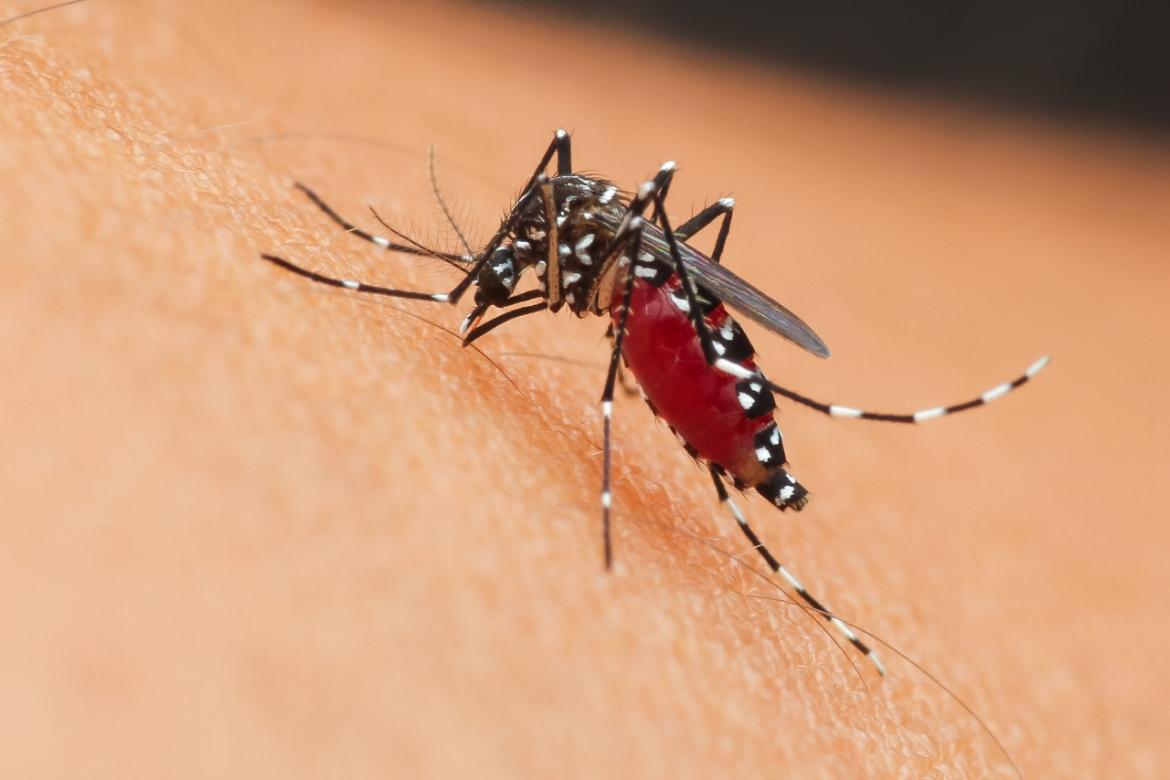
Malaria is an infectious disease caused by a parasite called Plasmodium. It is transmitted primarily through mosquito bites. The most common species are Plasmodium falciparum, Plasmodium vivax, Plasmodium malariae, and Plasmodium ovale.
Malaria is more common in tropical and subtropical regions because mosquitoes are more abundant in their breeding grounds. The disease begins when a mosquito transmits the parasite into human blood. The parasite colonizes liver cells in the human body and multiplies there. The parasite then migrates from the liver into the blood and enters red blood cells.
What are the symptoms of malaria?
Malaria symptoms can vary depending on the type of infection. Some common symptoms include:
- High fever: Malaria can cause a sudden, high fever. The fever is usually over 38°C (100.4°F).
- Chills: A characteristic symptom of malaria, shivering can cause trembling and chills throughout the body. Chills usually occur during fever.
- Sweating: After the shivering period, profuse sweating may occur. This may occur after the fever has subsided.
- Headaches: People with malaria infection may experience severe headaches. These headaches often occur along with other symptoms of malaria.
- Muscle aches: Malaria can cause pain and tenderness in muscles throughout the body. These pains can sometimes be severe.
- Fatigue and weakness: Malaria infection can lower energy levels and cause people to feel intensely tired and weak.
Other symptoms of malaria may include loss of appetite, nausea, vomiting, abdominal pain, diarrhea, and jaundice (in some types of malaria). Malaria can lead to serious complications if not diagnosed and treated promptly, so it's important to see a healthcare professional if someone has symptoms of malaria.
What are the causes of malaria?
Malaria is an infectious disease caused by parasites called Plasmodium transmitted to humans by the Anopheles mosquito. The main causes of malaria infection are:
- Anopheles mosquito: Malaria is a disease transmitted by the Anopheles mosquito. When these mosquitoes carry the malaria parasite, they transmit it to humans by sucking blood and transmitting the parasite.
- Plasmodium parasite: Malaria is an infection caused by a group of parasites called Plasmodium. Five different Plasmodium species can cause malaria: Plasmodium falciparum, Plasmodium vivax, Plasmodium malariae, Plasmodium ovale, and Plasmodium knowlesi. Each species is associated with different symptoms and levels of severity.
- Transmission routes: Malaria can be transmitted through the bite of an infected Anopheles mosquito or through other routes, such as through a mosquito-contaminated blood transfusion or shared infected needles. Pregnant women can also acquire the malaria parasite during birth from mothers carrying infected blood, increasing the risk of malaria in their babies.
- Geographic factors: Malaria is more prevalent in warm, humid climates. Such climates can provide suitable breeding grounds for the Anopheles mosquito and facilitate the spread of malaria. Additionally, factors such as inadequate health infrastructure, weak malaria control programs, and inadequate access to medicines can also influence malaria transmission.
An important note: Malaria is not transmitted between people through direct contact or coughing or spreading the virus. It is only transmitted through routes such as being bitten by a malaria-infected mosquito or through contaminated blood transfusion or needle sharing.
How Is Malaria Diagnosed?
- Symptom Assessment: A patient with suspected malaria should have their symptoms carefully assessed. Characteristic symptoms such as high fever, chills, sweating, headache, and muscle aches may suggest malaria. The duration, frequency, and severity of the patient's symptoms are also assessed.
- Clinical history: The patient's travel history and history of exposure to malaria-prone areas are questioned. Malaria is particularly prevalent in tropical and subtropical regions. Recent travel to such areas increases the patient's risk of malaria.
- Blood tests: The most common method for diagnosing malaria is microscopic blood examination. A blood sample is taken and examined under a microscope in the laboratory to look for the presence of the Plasmodium parasite within blood cells or any possible signs of the parasite.
- Giemsa staining: Giemsa stain is applied to a blood sample and examined under a microscope. This method provides information such as the prevalence of the Plasmodium parasite, the species of the parasite, and the severity of the infection.
- Rapid diagnostic tests: Some rapid diagnostic tests can diagnose malaria by detecting antigens from the parasite. These tests provide faster results and may be suitable for field use.
- Other tests: In rare cases, further laboratory tests may be necessary to confirm a malaria diagnosis or assess the severity of the disease. These tests may be performed to identify the type of malaria, detect drug resistance of the parasite, and assess complications.
How is Malaria Treated?
Malaria treatment can vary depending on factors such as the severity of the infection, the type of malaria, the patient's age, pregnancy status, and drug resistance. Antimalarial drugs are generally used in malaria treatment. Common methods used in malaria treatment include:
- Antimalarial drugs: Antimalarial drugs used to treat malaria help kill or stop the Plasmodium parasite from multiplying. The choice of drug depends on the type of malaria, the severity of the infection, and local rates of drug resistance. Some commonly used antimalarial drugs include artemisinin-based combination therapies, chloroquine, mefloquine, atovaquone-proguanil, and quinine.
- Duration of treatment: The duration of treatment varies depending on the medication used and the severity of the infection. A treatment regimen typically lasts 3 to 7 days, depending on the Plasmodium species that causes malaria. It is important to start and complete treatment promptly.
- Symptomatic treatment: Symptomatic treatments can also be used to control symptoms during malaria treatment. Fever-reducing medications, painkillers for headaches, and antiemetics (medicines that prevent vomiting) can help relieve symptoms.
- Treatment in cases of drug resistance: Some Plasmodium species can develop resistance to antimalarial drugs. If drug resistance is widespread in an area, drug therapy should be adapted accordingly and alternative drugs should be used.
- Managing complications : Malaria can lead to complications in severe cases. Complications can include malarial attacks, cerebral malaria (infection of the brain), anemia, kidney failure, and respiratory distress. In these cases, additional treatments and hospitalization may be necessary, depending on the patient's condition.
Malaria can be successfully managed with early diagnosis and appropriate treatment. Anyone experiencing symptoms of malaria should contact their healthcare provider immediately and receive appropriate treatment.
Why Is Malaria Transmitted?
- Bite from an infected mosquito: Malaria is usually transmitted through the bite of an infected Anopheles mosquito. When the mosquito feeds on human blood, it can also carry the Plasmodium parasite. The infected mosquito's saliva releases the parasites into the human body when bitten.
- The parasite enters the human body: The Plasmodium parasite, contained in the saliva of an infected mosquito, enters the human skin when a malaria-infected mosquito bites it. The parasite penetrates the human skin cells to enter the bloodstream.
- Liver proliferation: After entering the human body, the parasite first reaches the liver. There, it multiplies rapidly and accumulates in liver cells. This proliferation process generally does not cause symptoms and is often asymptomatic.
- Passage into the bloodstream: After multiplying in the liver, the Plasmodium parasite reenters the bloodstream. At this stage, the parasite can invade red blood cells, enter them, and multiply within them.
- Onset of malaria symptoms: The parasite's colonization and multiplication in red blood cells triggers an immune system response. This immune response results in fever, chills, sweating, headache, and other malaria symptoms.
