


Ureteral Stone Surgery
Ureteral Stone Surgery is performed at Ankara Private Magnet Hospital. You can obtain detailed information about the surgery by visiting our hospital and having a preliminary consultation with our doctor. Ureteral stones can sometimes become trapped within the small ureter, causing an obstruction. This obstruction can lead to serious complications for patients. Stones that form in the kidneys and migrate into the ureter, causing discomfort, are called ureteral stones.
What is a Ureteral Stone?
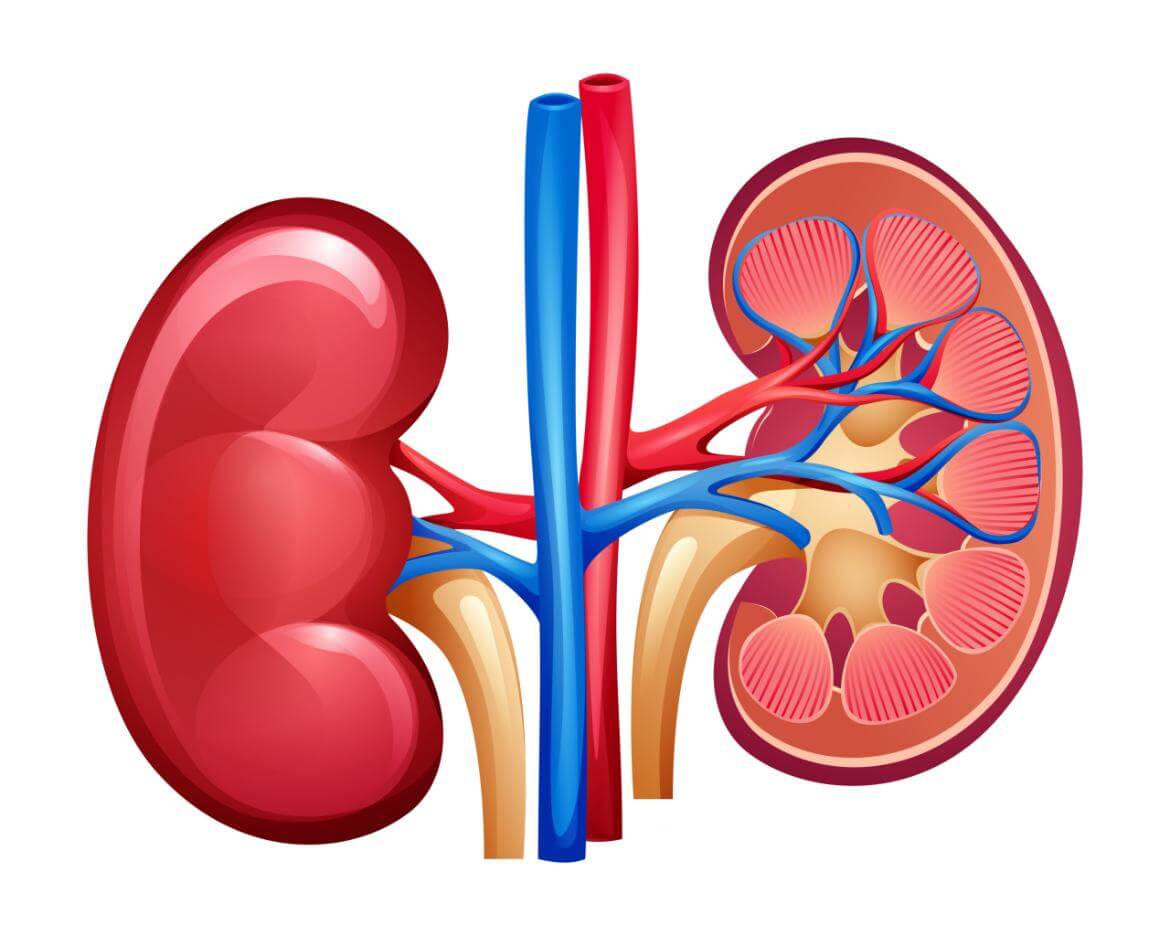
It is the name given to the urinary tract, which provides urine flow from the kidneys located on both sides of the body to the bladder and helps to expel urine during excretion.
Certain points in the urinary tract are narrower than normal. These narrowing points include where the ureter joins the kidney, where it crosses the veins in the midsection, and where the ureter enters the bladder. Very small stones can be expelled in the urine without causing any symptoms.
Ureteral stones form as a result of the crystallization of minerals. Ureteral stones can also form from uric acid, calcium, struvite, phosphate, or oxalate crystals.
What are the symptoms of ureteral stones?
Ureteral stone symptoms vary depending on the size and location of the stone. While the location of the ureteral stone varies from patient to patient, pain is a common symptom. These symptoms can begin with abdominal pain and radiate to the back, waist, and groin. Beyond these areas, pain can also extend to the testicles in men and the vulva in women.
Ureteral stones located in the urinary tract can be on the right or left side, and the pain will be more intense on the side where the symptoms are present. The most common and frequent symptoms of ureteral stones are as follows:
- Pain in the back, lower abdomen, and groin area
- Vomiting and nausea
- Frequent urge to urinate
- Urine color and odor
- Burning and painful sensation during urination
- Blood in the urine
- High fever and chills
Ureteral stones can lead to urinary tract infections. During an infection, the individual may experience high fever and chills.

How Do Ureteral Stones Form?
In the formation of ureteral stones, some parts of the urinary tract become wide, while others become narrower. In narrow cases, stones from the kidneys become lodged in the narrow spots, causing blockage of the ureter. The junction of the ureter with the kidney is in the middle, where the vessels intersect and the ureter meets the bladder.
While some trapped stones may be small enough to pass on their own in some cases, in other cases, they may not pass unless external intervention is sought, causing an obstruction. Ureteral stones measuring less than 5 mm are considered small. Unless a pathological condition is present, small ureteral stones typically pass on their own with plenty of water. Smaller stones often present no symptoms.
Urinary stones form as a result of elevated salt and mineral levels in the urine. During this passage, these stones can fall into the urethra and accumulate, forming ureteral stones.
The most significant factor in the formation of ureteral stones is insufficient fluid intake. This is because when a person doesn't drink enough fluids, substances that would otherwise be excreted in urine accumulate. This accumulation increases the concentration of urine, paving the way for stone formation.
Beyond all this, diet also plays a significant role in the formation of ureteral stones. Consuming foods high in sodium, protein, and sugar can contribute to stone formation.
How Are Ureteral Stones Diagnosed?
The diagnosis of ureteral stones begins with a physical examination and a medical history taken after a patient complains of lower abdominal pain, flank pain, and bloody urine. After reviewing all the patient's complaints and examination, laboratory tests such as urine and blood tests are ordered. A urinalysis is ordered to identify unseen bleeding and to examine the urine for minerals that could contribute to stone formation. Bleeding and infection following a urinalysis can raise suspicion of ureteral stones.
Imaging methods are preferred for definitive diagnosis of ureteral stones and their location. While plain radiography provides clear information about the condition of most stones in the diagnosis of ureteral stones, this method may not visualize all stones in cases of small proportions. While ultrasound provides effective visualization of the upper and lower urinary tract, it may not provide definitive results regarding the mid-tract.
The method that provides the best results is computed tomography. Computed tomography (CT) provides detailed images of the abdomen and pelvis. This allows the location of the ureteral stone to be clearly identified.
Recovery Process After Ureteral Stone Surgery
- It is normal to experience mild pain and slight blood in the urine for the first few days.
- Drinking plenty of water is important to prevent stone formation and keep the urinary tract clean.
- The medications prescribed by the doctor should be used regularly.
- Heavy physical activities should be avoided for a while.
Generally, patients can return to their daily lives within a few days, although full recovery may take several weeks.
Is Ureteral Stone Surgery Risky?
As with any surgical procedure, ureteral stone surgery carries some risks. However, thanks to advanced medical techniques, these risks are quite low. Possible risks include:
- Transient urinary tract infection
- Bleeding
- Mild irritation or narrowing of the ureter
- In rare cases, the stone cannot be completely cleaned.
Things to Consider After Ureteral Stone Surgery
- Water consumption should be increased
- The diet should be changed
- Attention should be paid to physical activity
- Doctor check-ups should not be interrupted
How is Ureteral Stone Surgery Performed?
Ureteral stone surgery: Treatment for ureteral stones is planned based on the number, size, and location of the stones. Generally, stones smaller than 5 mm pass on their own. Alternatively, if the ureteral stone is between 5 mm and 10 mm in size, the likelihood of spontaneous passage is 50%. Various treatment methods can be used for larger stones that do not pass on their own.
Ureteroscopy ( Endoscopic Ureteral Stone Surgery)
Ureteroscopy ( Endoscopic Ureteral Stone Treatment) is known as closed ureteral stone surgery. This procedure involves the doctor using an optical camera to visualize the stone and simultaneously break it up and remove it. The stones are then fragmented and expelled through the urine. Because this method is minimally invasive, it allows patients to recover more quickly and generally requires a shorter hospital stay. During the treatment process, an appropriate treatment plan is developed based on the patient's condition and the size of the stone.
Ureteral Stent Insertion
Stent placement involves inserting a small plastic tube into the area where the stone is lodged in the ureter. This tube allows the stone to pass through. This procedure is usually performed under general anesthesia.
Nephrostomy Tube Placement
Nephrostomy tube treatment involves inserting a tube into the kidney. This tube allows urine to drain out of the body. A nephrostomy tube is inserted when complications such as fever and infection develop due to urinary tract obstruction. The tube helps drain accumulated urine from the kidney, alleviating the patient's symptoms.
Shock Wave Lithotripsy
Shockwave lithotripsy involves the application of external sound or shock waves to break up ureteral stones into smaller pieces. The size and location of the ureteral stones are crucial for this method. Successful results are generally achieved with stones located near and above the kidney exit.
Frequently Asked Questions
What are the Costs of Ureteral Stone Surgery?
You can visit Ankara Private Magnet Hospital and get detailed information about the treatment process from our urologist, who specializes in ureteral stones . To easily schedule an appointment , call 0312 212 80 80.
Do Ureteral Stones Recur?
Once a ureteral stone forms, there is a risk of recurrence. The likelihood of recurrence varies depending on the type of stone and the individual's diet and lifestyle. To prevent recurrence:
- Drinking plenty of water should be made a habit.
- Foods containing calcium and oxalate should be consumed in a balanced manner.
- Regular exercise should be done and a sedentary lifestyle should be avoided.
Certain medications or dietary changes, as recommended by a doctor, can also prevent stone formation.
How to Understand the Presence of Ureteral Stones?
Ureteral stones occur in the ureters, the tubes that carry urine from the kidneys to the bladder. Ureteral stones often cause significant pain. Here are the symptoms of ureteral stones:
- Severe back and abdominal pain: Pain is felt particularly in the lower back and side areas. This pain may intensify as the stone moves.
- Pain while urinating: As the stone moves through the ureter, there may be burning or severe pain while urinating.
- Bloody urine: The movement of the stone can irritate the urinary tract and blood may appear in the urine.
- Constant urge to urinate: When the stone reaches the areas close to the bladder, a frequent urge to urinate and pressure may be felt in the bladder area.
- Nausea and vomiting: Nausea or vomiting may occur due to severe pain.
- Decreased urine flow: There may be a decrease in the flow of urine or a feeling of blockage as the stone blocks the urine from flowing freely.
If these symptoms are present, the presence of the stone can be confirmed by imaging methods such as ultrasound , kidney X-ray , or computed tomography (CT) performed by the doctor.
How to Remove Ureteral Stones?
Ureteral stones can be removed using different methods, depending on their size and location. Here are some common methods:
- Drinking plenty of water: Small stones can usually be passed through urine by drinking plenty of water. Drinking at least 2-3 liters of water a day can help the stone move down to the bladder.
- Pain relievers: Severe pain may occur during the passage of a ureteral stone. Pain relievers (such as ibuprofen or acetaminophen) can be used to relieve this pain, as recommended by a doctor.
- Alpha-blocker medications: Alpha-blocker medications (such as tamsulosin) may be prescribed to help the stone pass. These medications relax the muscles in the ureter, allowing the stone to pass more easily.
- Surgical intervention depending on the size of the stone: If the stone is very large or cannot be passed with medication, surgical methods such as laser treatment , excrustatic surgery (stone breaking method) or ureteroscopy may be applied.
- Shock wave therapy: In some cases, stones can be broken into smaller pieces by externally sent sound waves (shock waves).
Is There a Herbal Treatment for Ureteral Stones?
Herbal treatments for ureteral stones may be helpful for some people, but they don't always provide a definitive solution and should be used with a doctor's advice. Herbal treatments can be helpful in treating ureteral stones, but they are generally used as a supplement to conventional medical treatment . Here are some herbal remedies:
- Pomegranate juice: Pomegranate juice may help clear the urinary tract and is said to help pass stones. However, this remedy is not a substitute for medical treatment.
- Quince seeds: You can boil quince seeds and drink them. Some people say they help cleanse the urinary tract.
- Garlic: Garlic has natural antiseptic properties and can help prevent urinary tract infections. Regularly consuming garlic to help pass stones may be beneficial for some people.
- Apple cider vinegar: Apple cider vinegar may help detoxify the body. There is limited research on its effectiveness in passing stones, but some people report apple cider vinegar to be effective.
- Melon seeds: Melon seeds are thought to have the ability to dissolve stones. Some people try to pass stones by consuming them.
It's important to remember that herbal treatments alone are not a cure for stones, and in severe cases, it's essential to consult a doctor. A doctor should always be consulted before using herbal treatments.
Will There Be Any Problems If Ureteral Stones Are Not Removed?
If a ureteral stone is left untreated or not removed, it can lead to serious health problems. A stone that remains in the ureter for a long time can lead to the following problems:
- Kidney damage: If a stone causes a blockage in the urinary tract, it can cause fluid accumulation in the kidney (hydronephrosis). This can impair kidney function.
- Infection: There's a possibility that the stone could irritate the area where it's located or cause a urinary tract infection. If left untreated, the infection can lead to kidney infections (pyelonephritis) and sepsis.
- Pain: The stone can cause severe pain as it moves through the ureter, which can significantly reduce the patient's quality of life.
- Kidney stone accumulation: Ureteral stones can grow larger over time, causing multiple stones to form. This can also lead to further blockages and complications as the stone progresses.
If ureteral stones are not treated, kidney functions can be seriously impaired and can become life-threatening for the patient.
What Happens If Ureteral Stones Occur in Pregnant Women?
Ureteral stones during pregnancy can carry some additional risks. However, with proper treatment, pregnant women can safely pass the stones. Possible problems caused by ureteral stones during pregnancy include: Treatment for ureteral stones during pregnancy is usually done with medications, but in some cases, surgery may be necessary. Treatment should be carefully planned by a doctor based on the pregnant woman's health condition.
If a Pregnant Woman Has a History of Ureteral Stones Before, Can She Have Ureteral Stones Again?
Yes, pregnant women with a history of ureteral stones are at risk of developing them again. A woman with a history of ureteral stones is generally predisposed to developing kidney stones. Pregnancy can cause certain changes in the body, causing urine to become more concentrated and acidic, which can trigger stone formation. Hormonal changes during pregnancy can cause the muscles in the urinary tract to relax, causing urine to flow more slowly, which can facilitate stone formation.
However, precautions can be taken to prevent stone development, such as drinking plenty of water, urinating regularly, and making dietary changes. Pregnant women should speak with their doctors about this and receive recommendations to reduce their risk of stone formation.
Do Ureteral Stones Occur in Children?
Yes, ureteral stones can occur in children . However, ureteral stones are less common in children and typically develop for different reasons. Stone formation in children can occur for the following reasons:
- Genetic factors: Children with a family history of kidney stones have a higher risk of developing stones.
- Inadequate fluid intake: When children do not drink enough water, stones can form, which can lead to urinary tract obstruction.
- High calcium levels: High blood calcium levels in children can lead to stone formation.
- Urinary tract infections: Frequent urinary tract infections may increase the risk of stone formation in children.
In children, ureteral stones are usually smaller and can pass naturally. However, in some cases, if the stone grows larger or causes an obstruction, surgical intervention may be necessary.
How do we know if a ureteral stone has passed?
When a ureteral stone passes, meaning it reaches the bladder, the process of its passage from the body begins. Signs that a stone has passed may include:
- Pain relief: As the stone passes through the ureter and into the bladder, a significant reduction in pain is usually observed. The severe pain ceases as the ureteral obstruction is relieved.
- Urinary changes: When a stone passes into the bladder, blood can sometimes be seen in the urine. The sharp surfaces of the stone can irritate the urinary tract, causing small amounts of blood to accumulate in the urine. This bleeding may be a sign of the stone passing.
- More comfortable urination: As the stone passes into the bladder, the flow of urine becomes easier, which gives the person the feeling of more comfortable urination.
- Normalization of urine flow: After the stone passes from the ureter and descends into the bladder, the feeling of blockage experienced before while urinating disappears and the urine flow becomes normal again.
If you feel relief or any symptoms persist after the stone has passed, it may be a good idea to consult a healthcare professional.
In Which Situations Is Intervention Required for Ureteral Stones?
Ureteral stones usually pass on their own, but in some cases, intervention may be necessary. Situations requiring intervention include:
- Severe pain: If the stone causes severe pain (renal colic) and does not go away with painkillers, intervention may be necessary.
- Urinary tract obstruction: If a stone causes a blockage in the ureter and stops urine flow, intervention may be necessary to prevent kidney damage.
- Kidney infection: A stone blocking the ureter can lead to an infection. Symptoms of infection may include high fever, chills, and cloudy and odorous urine. In this case, antibiotic treatment and stone removal may be necessary.
- Decreased kidney function: If the stone begins to affect kidney function and fluid accumulation in the kidneys (hydronephrosis) occurs, surgical intervention may be necessary.
- Size of the stone: If the stone is very large (usually larger than 5 mm) or makes passage difficult, surgery may be necessary.
- If the stone does not move for a period of time and cannot be passed naturally, surgical intervention or lithotripsy treatment may be required.
How Many Days Does It Take for a Kidney Stone to Pass Out?
Kidney stones passing into the ureter usually represent the stage in which the stone passes to reach the bladder. The time it takes for the stone to pass varies depending on its size, location, and the individual's health. Generally,
- Small stones (3 mm or smaller) can often pass into the bladder within 3 to 7 days.
- Medium-sized stones (4-5 mm) may take several weeks.
- Larger stones (6 mm and larger) are generally more difficult to pass naturally and may take several weeks to months. However, larger stones often require surgery or lithotripsy.
However, whether the stone will pass or not, its mobility within the urinary tract, and the location of the stone necessary for it to reach the bladder also play a role. If the stone persists for a long time or if complications such as severe pain, obstruction, or infection develop, medical intervention may be necessary.
Will There Be Pain After Ureteral Stone Surgery?
Mild postoperative pain may be felt, but it's generally tolerable. Pain may be caused by irritation in the area where the stone was removed, or it may be felt due to the stent (temporary tube) placed in the ureter. This pain subsides within a few days. Painkillers and drinking plenty of water can make the process more comfortable. If the pain is severe or persists, consult a doctor.
When Can I Return to My Normal Life After Ureteral Stone Surgery?
Most patients can return to their daily lives within a few days after surgery. However, the exact recovery time depends on the patient's general health, the surgical method, and the size of the stone. Light activities can generally be resumed within 2-3 days. It is recommended to wait 2-4 weeks for strenuous physical activity and exercise. A definitive decision regarding returning to work or social life can be obtained after a doctor's appointment.
What Happens If Ureteral Stones Are Not Removed?
If a ureteral stone is not removed or passed, the temporary blockage in the kidney can become permanent, leading to kidney damage and kidney failure. Therefore, if a ureteral stone completely obstructs the duct, prompt intervention is necessary.
How Long Does Ureteral Stone Surgery Take?
Ureteral stone surgery time can vary depending on the size and location of the stone, and the procedure used. Generally, endoscopic ureteroscopy procedures take between 30 minutes and one hour. However, in more complex cases, the time may be longer, and the patient's general condition may also affect the treatment process.
How do we know if a ureteral stone has passed?
If the pain that usually occurs during the formation of a ureteral stone has stopped, if you feel like a piece has fallen out when you urinate, if the person has not had any pain for a long time, we can say that the ureteral stone has passed.
Does a Stent Inserted into the Ureter Cause Pain?
A stent inserted into the ureter can sometimes cause temporary pain and discomfort. Stents are used to maintain urine flow from the kidneys to the bladder or as a temporary solution when the ureter is narrowed or blocked.
A stent is a flexible tube that usually has small serrations or barbs inside. These serrations are used to keep the stent in place in the ureter. However, these serrations and the stent itself can cause discomfort, pain, or pressure in some people.
Depending on the presence of the stent, the following symptoms may occur:
- Pain or discomfort in the lower abdomen or groin area.
- Feeling of needing to urinate frequently.
- A burning or painful sensation when urinating.
- Appearance of blood in the urine.
- Frequent urge to urinate due to irritation in the urinary tract.
These symptoms typically appear after the initial stent placement and subside over time. Because stent removal is usually planned, any discomfort caused by the stent is usually temporary.
However, it's important to contact your healthcare provider immediately if pain or other symptoms caused by the stent become severe or unbearable, if you experience difficulty urinating, or if you develop a fever. These could indicate a stent displacement or complications such as infection.
Does Social Security Cover Ureteral Stone Surgery?
Yes, SGK (Social Security Institution) generally covers ureteral stone surgery, but this may vary depending on certain conditions. For more information, please visit Ankara Magnet Hospital.
How can I find a good ureteral stone surgery doctor in Ankara?
If you're looking for a good doctor who performs ureteral stone surgery in Ankara, there are a few key steps you can take to make the right choice. First, it's important to research experienced urologists. Learning about patients' previous experiences, their communication skills, and their success rates can also help you make a decision. Furthermore, the hospital's technological infrastructure and the quality of its surgical equipment play a significant role in the surgical process. Private Ankara Magnet Hospital is a healthcare facility known for its experienced doctors who specialize in ureteral stone surgery. If you'd like to learn more about ureteral stone surgery and choose a suitable doctor, you can visit Ankara Magnet Hospital and schedule an appointment with one of its specialists.
