


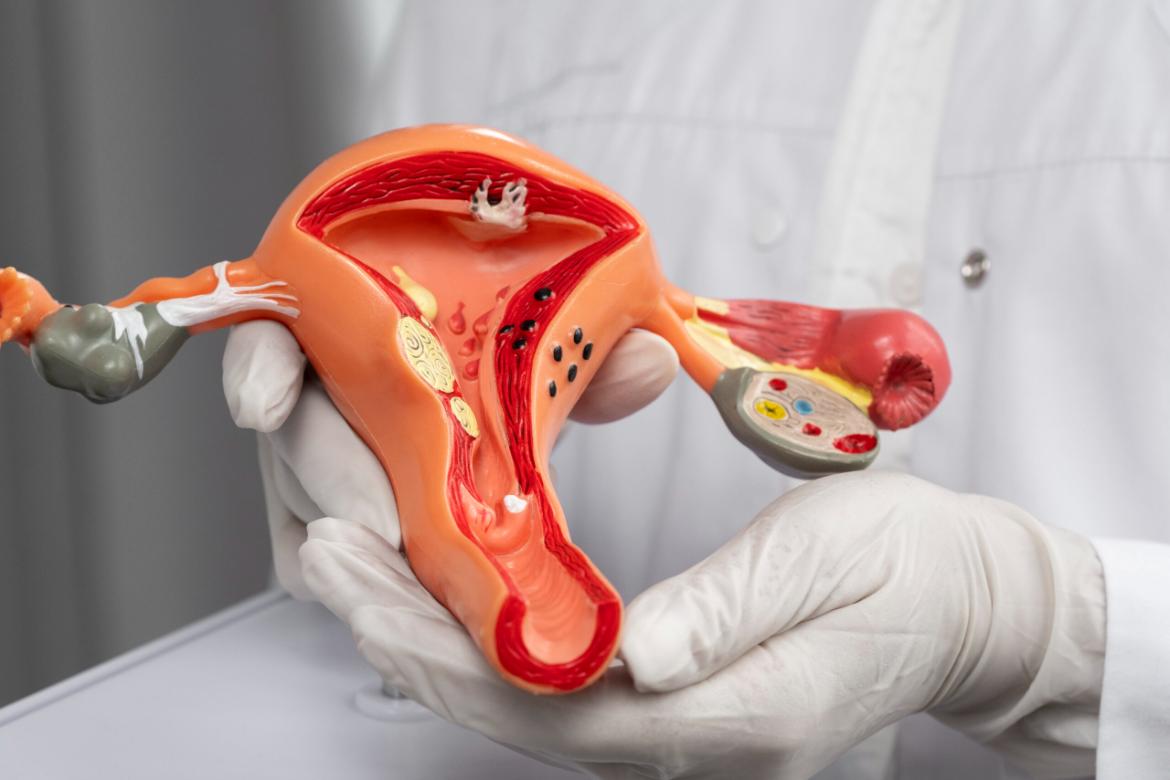
Tubal Ligation (Cord Ligation) Surgery
Cord ligation is known as a permanent surgical birth control method. Tubal ligation is highly successful and can be performed during a cesarean section or as a separate procedure. When performed as a separate procedure, it is performed laparoscopically. Tubal ligation involves cutting and tying the fallopian tubes to prevent pregnancy. Because tubal ligation is a permanent procedure, it is virtually impossible for a person to conceive naturally in the future. The tubes are surgically closed and the cords are tied to prevent the egg from passing through the fertilization duct (where the female egg meets the male reproductive cell) to prevent the egg from passing through the duct. Because it is an irreversible procedure, tubal ligation is not recommended for young women or those who want to have children again. Because sperm and egg cannot meet during tubal ligation, pregnancy cannot occur. The protective effect of tubal ligation begins immediately after surgery and lasts a lifetime.
The surgery is performed at Ankara Private Magnet Hospital. You can also visit the Gynecology and Obstetrics Department at Ankara Private Magnet Hospital to get detailed information from our doctor.
What are the Tubal Ligation Techniques?
- Open Surgery: This is a type of surgery where incisions are made. This method is generally preferred for tubal ligation. It is usually performed during a cesarean section. Open surgery takes approximately 10-15 minutes after delivery. The incisions made during the cesarean section make tubal ligation easier.
- Laparoscopy (Closed Tubal Ligation Surgery): Laparoscopy is another method that can be used. It's known as a closed surgical procedure. It carries fewer risks than open surgery. With laparoscopy, the surgery is performed by inserting cameras into the abdomen.
- Vaginal Surgery: Vaginal surgery is a frequently used procedure. No surgical incision is made during this procedure. The technique involves inserting a vaginal insertion and tying the tubes.
Who Can Have Tubal Ligation?
Tubal ligation is recommended for couples who are not planning to have children. Furthermore, it is considered appropriate for those with tubal disorders or at risk of ovarian cancer, and for those with life-threatening pregnancies. This procedure is generally performed on individuals over the age of 30-35.
Tubal ligation is a procedure that requires the spouse's approval for married individuals. It's generally considered more appropriate for couples to decide together if any issues arise later. We generally avoid performing tubal ligation on individuals under the age of 30. It's not recommended for individuals who want to have children in the future.
Preparation Before Tubal Ligation Surgery
Before surgery, your doctor should discuss your reasons for wanting this surgery. You will also discuss any factors that could cause you to regret the decision. Before surgery, your doctor will discuss the following with you:
- Information about the details of the surgery
- Information about the risks and benefits of reversible and permanent birth control methods
- Ways to prevent sexually transmitted infections
- The most appropriate time for the surgery is when the person
- Information about the causes and probability of transaction failure
How is Tubal Ligation Surgery Performed?
Before the surgery, both partners must be committed to this. Before the procedure, the patient should consider and decide whether the procedure is best for them. Tubal ligation surgery typically begins with the establishment of an vascular access. The appropriate anesthesia is selected and the type of anesthesia administered. In laparoscopic or closed tubal ligation, small incisions are made near the navel, and an optical imager and surgical instruments are inserted. During the procedure, carbon dioxide gas is injected into the abdomen to increase range of motion. A thin thread with a light and camera at its end is passed through the abdomen. Following the surgery, the fallopian tubes are cut and ligated. The incisions in the skin are closed, and the procedure is completed.
How Long Does Tubal Ligation Surgery Take?
It takes approximately 40 to 60 minutes. The surgery begins after the required type of anesthesia is administered. Nausea and vomiting are quite normal due to the anesthesia. Depending on the severity of pain, intravenous painkillers may be administered after the surgery. Nutritional status can be assessed a few hours after the procedure. Because the incision is small, recovery is quite rapid in this surgical procedure.
What is the Recovery Process Like for Tubal Ligation Surgery?
Tubal ligation surgery is an effective method for women seeking permanent birth control. Recovery is typically quick and uneventful. The procedure is typically performed laparoscopically, which means smaller incisions and shorter recovery times.
Pain After Tubal Ligation Surgery
Mild pain and cramping may occur in the first few days after surgery. This is normal and can usually be controlled with prescribed painkillers. Patients can be discharged the same day and return to normal activities within 2-3 days. However, it is important to avoid strenuous physical activity and follow your doctor's recommendations during the recovery period.
Sexuality After Tubal Ligation Surgery
No changes to your sex life are expected after the surgery. Hormonal balance is not disrupted, so there is no negative impact on sexual desire or function. Furthermore, tubal ligation does not affect a woman's menstrual cycle. However, complications such as vaginal bleeding, pain, or signs of infection may occur for several weeks after the surgery. If such a situation occurs, a doctor should be consulted immediately.
Deciding on Tubal Ligation Surgery and the Psychological Process
Because tubal ligation is a permanent birth control method, this decision requires careful consideration. While the chance of pregnancy afterward is very low, there are some exceptional circumstances. Therefore, it is crucial to have a thorough consultation with a healthcare professional before deciding on tubal ligation.
What are the risks of tubal ligation surgery?
Tubal ligation surgery is generally a safe procedure. However, as it is an irreversible procedure, the decision should be made with careful consideration. As with any surgical procedure, it carries some risks. Complications such as infection, bleeding, anesthesia reactions, and incorrect tubal ligation can occur, although rare. Furthermore, the risk of pregnancy may not be completely eliminated after the procedure, and the likelihood of pregnancy after tubal ligation is low. However, in rare cases, the person who has had their tubes ligated may become pregnant.
Things to Consider After Surgery
After surgery, the patient must adhere to the diet recommended by the doctor. Prescribed medications must be taken regularly. The incision area should be kept dry for several days, and the bathing and clothing instructions recommended by your doctor should be followed. The patient should avoid heavy lifting and strenuous activities. Normal activities can be resumed for a few days after surgery. Sexual intercourse should be resumed after one week.
The points to be taken into consideration after the surgery will accelerate the recovery time.
Most Frequently Asked Questions
How Many Days After Cord Clamping Can You Have Sex?
Doctors generally recommend waiting 2-3 weeks before having sexual intercourse after a cord ligation procedure, also known as a tubal ligation . This period is important for the body to heal and reduce the risk of infection. However, it's important to follow your doctor's advice and be mindful of the healing process.
Will I Have My Period After Having My Tubal Ligation?
Yes, menstruation continues after a tubal ligation procedure. This is because a tubal ligation only prevents eggs from reaching the uterus, but the ovaries still produce hormones and the menstrual cycle continues normally. Menstrual bleeding does not change after a tubal ligation procedure.
Can You Get Pregnant With Only One Tube?
Yes, it's possible to get pregnant with only one tube. If one tube is tied, as long as the other tube is still functioning, the egg can travel through that tube to the uterus and pregnancy can occur. However, a tubal ligation is usually performed to reduce the likelihood of pregnancy.
How is Tubal Ligation Surgery Performed Through the Belly Button?
- Anesthesia is applied: General anesthesia is usually used.
- A small incision is made in the belly button: A thin tube called a laparoscope and a camera are inserted into the abdomen.
- Locating and tying the tubes: Images allow the doctor to see the tubes, and they can be tied or cut as appropriate.
- Completion of the surgery: The procedure is usually short (30-60 minutes) and the recovery process is rapid.
This method is less invasive and offers a quicker recovery time. Performed through the belly button, this procedure generally leaves no significant external scar.
How Many Hours Does Tubal Ligation Surgery Take?
Tubal ligation surgery is a procedure that typically takes between 30 minutes and an hour . However, the time can vary depending on the surgeon's experience, the patient's condition, and the technique used. Laparoscopic (closed) tubal ligation procedures are faster and less invasive, so they generally take less time.
Can Tubal Ligation Be Performed in Women?
While reopening the tubes after tubal ligation is medically possible, the success rate is low and it's generally not recommended. When the tubes are tied, eggs are prevented from reaching the uterus. In some cases, surgical reconnection of the tubes (microsurgical tubal reopening) can be performed, but the success rate is not always high. Furthermore, the chance of pregnancy after tubal ligation is significantly reduced.
What are the Side Effects of Tubal Ligation?
- Risk of infection: Infection may develop in the surgical area.
- Bleeding: Bleeding may occur during or after surgery.
- Abdominal pain or discomfort: You may feel mild pain or discomfort for a few days after the procedure.
- Hormonal changes: Tubal ligation doesn't cause hormonal changes because the ovaries remain functional. However, some women may experience minor changes in their menstrual cycle.
- Ectopic pregnancy (external pregnancy): Although rare, if pregnancy still occurs after tube (cord) ligation, this pregnancy may be an ectopic pregnancy.
- Emotional effects: Some women may experience psychological changes or feelings of regret after tubal (cord) ligation.
How Many Days Does It Take to Heal After Tubal Ligation Surgery?
- There may be mild pain and discomfort for the first 1-2 days .
- Normal activities can be resumed within 2-3 days.
- Full recovery time typically ranges from one to two weeks. However, recovery time can vary from person to person.
- It is generally recommended to wait 2-3 weeks before engaging in activities such as heavy lifting, sports, and sexual intercourse.
Is There an Age Limit for Tubal Ligation in State Hospitals?
- You may be asked to finalize your decision to have children .
- Psychological evaluation and physician approval may be required.
- Some hospitals may require having three children to have a tube (cord) ligation.
Is Tube Ligation Covered by Social Security?
- The woman may need to have at least 3 children.
- Psychological evaluation and physician approval may be required.
- Some private hospitals also perform tube (cord) ligation procedures under SGK agreement, but the conditions may differ.
Do I Need Protection While My Tubes Are Tied?
- There is no need for contraception after a tubal ligation procedure because the tubes are tied, preventing the eggs from reaching the uterus.
- However, in some cases, there may be a very low possibility that the tubes may reopen or cause an ectopic pregnancy.
- However, since fertility ceases completely after tubal (cord) ligation, there is usually no need for an additional contraceptive method.
How is Tubal Ligation Performed After Cesarean Section?
- During a cesarean delivery , the doctor checks and ties the tubes.
- This procedure is performed as an additional procedure during a cesarean delivery, meaning there is no need for additional anesthesia.
- The tubes can be ligated laparoscopically , in which case the procedure is performed through small incisions made in the belly button. However, if this procedure is performed at the same time as a C-section, the tubes are usually ligated openly.
- Tubal (cord) ligation after cesarean section is a convenient and very common method for women.
Can the male penis reopen after tubal ligation?
- In men, tubal ligation (vasectomy) is performed by cutting the sperm ducts.
- This procedure is generally considered permanent birth control. However, in some cases, the tubes can be surgically reconnected.
- However, this procedure can have a low success rate. Furthermore, restoring fertility may not always be possible.
- Nowadays, vasectomy reversal (vasovasostomy) procedures are available using microsurgical methods, but the success rate may vary from person to person.
Who is Suitable for Tubal Ligation?
- Couples who no longer want to have children
- Those at risk of carrying genetic diseases
- Situations where pregnancy poses a health risk
- Individuals who do not comply with birth control methods
Is the tube tied during abortion?
It's technically possible to have your tubes tied at the same time as your abortion. However, this procedure is usually performed as part of planned birth control. If you plan to combine an abortion with a tubal ligation, a detailed consultation with your doctor is necessary beforehand. Due to medical necessity and ethical reasons, this procedure may not be performed in every hospital.
Does Tubal Ligation Cause Weight Gain?
Tubal ligation doesn't affect hormonal balance, so it doesn't directly cause weight gain. However, some women may gain weight after the procedure due to psychological effects or lifestyle changes. Therefore, tubal ligation isn't directly linked to weight gain.
Can Ectopic Pregnancy Occur When Tubes Are Tied?
Although rare, an ectopic pregnancy can occur while the tubes are tied. This occurs when the fertilized egg implants outside the uterus (usually in the fallopian tube). This requires immediate medical attention.
Will someone's tubes unclog on their own after a tubal ligation?
This is a very rare possibility. There have been reports in the medical literature of cases where the tubes have reconnected over time and pregnancy has occurred. However, these cases are extremely rare.
Post-Operative Walking and Sports
After tubal ligation surgery, activities like light walking can usually be resumed within a few days. However, it's recommended to wait at least 1-2 weeks before engaging in strenuous exercise, sports, or weightlifting.
Does Tubal Ligation Trigger Menopause ?
No. Tubal ligation does not affect ovarian function. Therefore, it does not trigger menopause. Menstrual cycles and hormonal balances are generally unaffected.
Does It Definitely Prevent Pregnancy?
Yes. Tubal ligation is a permanent birth control method that prevents pregnancy 99% of the time.
What are the Prices for Tubal Ligation Surgery?
Tubal ligation surgery costs vary depending on many factors, including the hospital, the doctor's experience, the city where the surgery is performed, and the technique used. For more information, please contact Private Ankara Magnet Hospital : +90 312 212 80 80
Hospitals in Ankara that Perform Tubal Ligation Surgery
Private Magnet Hospital is among the hospitals in Ankara that perform tubal ligation surgery. It provides services with a team of specialists in gynecology and obstetrics. For more information and to schedule an appointment: +90 312 212 80 80
February, 2025
