


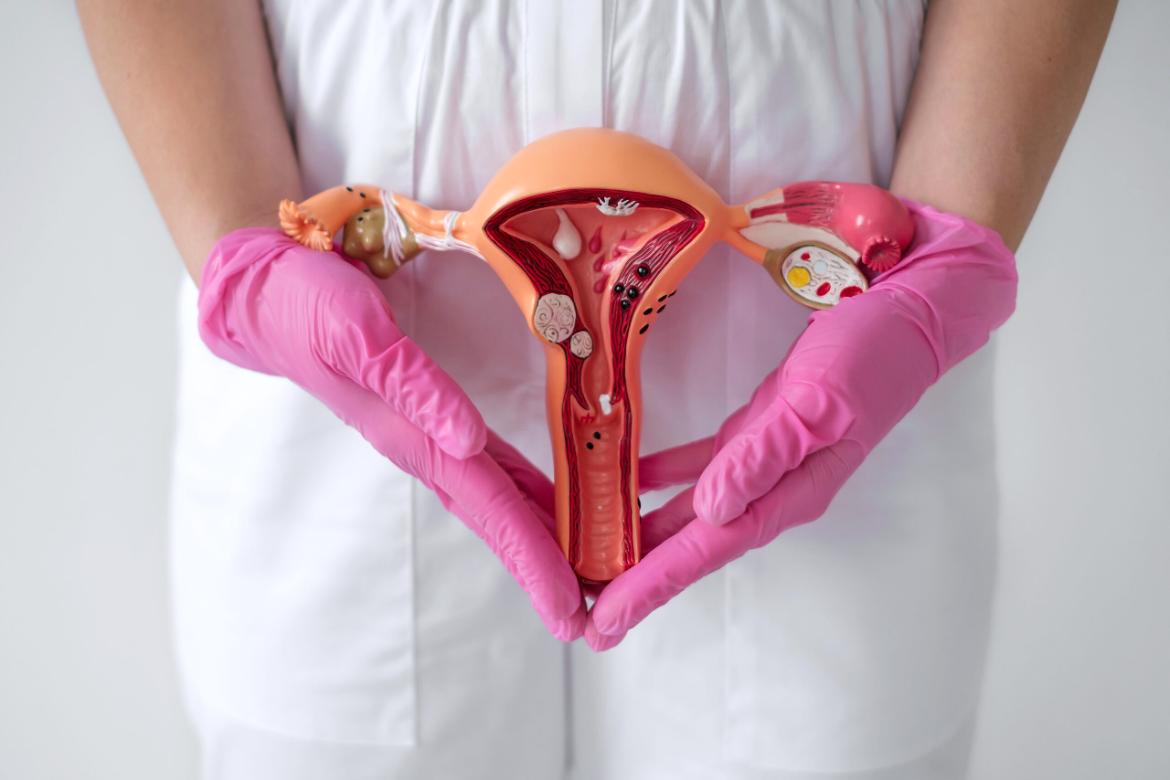
Oophorectomy (Ovarian Removal Surgery)
Oophorectomy is a surgical procedure that involves removing one or both of a woman's ovaries, usually due to various conditions. It can be performed for various reasons, including cancer treatment, endometriosis, or ectopic pregnancy. Located on either side of the uterus, the ovaries are almond-shaped and contain both eggs and produce hormones that control the menstrual cycle. Like hysterectomy, hysterectomy is recommended for women of advanced age. This is because it is performed to prevent or treat certain conditions, such as future ovarian cancer. Treatment for this condition involves removing one or both ovaries. Removing one ovary on one side is called a unilateral oophorectomy, while removing both ovaries is called a bilateral oophorectomy . Those considering oophorectomy should keep the following in mind.
- If you are not in menopause, removing the ovaries will put you into menopause.
- If a person has both ovaries removed, it is unlikely that she will become pregnant in the future.
- If the ovaries are removed, hormone synthesis in the person decreases.
Types of Oophorectomy
Unilateral Oophorectomy: This procedure involves surgically removing only one of the ovaries. Unilateral oophorectomy is the preferred treatment for ovarian cysts, benign tumors, and abscesses that do not respond to surgical treatments. If a woman wishes to become pregnant in the future, unilateral oophorectomy is recommended to preserve ovarian function.
Bilateral Oophorectomy : This surgery involves removing both the fallopian tubes and both ovaries. The goal of this surgery is to completely eliminate the underlying cause of the oophorectomy. After bilateral ovarian removal, the patient's menstrual cycle ends and menopause begins.
Salpingo-Oophorectomy : This surgery is the most common treatment for ovarian cancer. This procedure removes the ovaries and fallopian tubes.
Prophylactic (Preventive) Oorophectomy: This is a preventative surgical procedure that removes the ovaries. It is performed in women with BRCA1 or BRCA2 gene mutations to reduce their risk of developing cancer later in life.
In what cases is oophorectomy (ovarian removal surgery) performed?
Ovarian biopsy, which plays a significant role in hormone production, is performed in some cases where it is deemed necessary. These situations can be listed as follows:
- Breast Cancer: The risk of breast cancer increases due to the hormones produced by the ovaries . Surgery may sometimes be recommended as a treatment to eliminate the hormones produced by the ovaries.
- Hereditary Diseases: Women with certain abnormal genes are at higher risk of developing ovarian cancer before age 70. A person may have their ovaries removed to reduce their risk of cancer.
- Treatment of certain health problems: This procedure is recommended for certain conditions. These include temporary and chronic pelvic pain, benign tumors, ectopic pregnancy, reproductive organ diseases, and large ovarian cysts. These conditions can vary depending on the technique used.
How is Oorophectomy (Ovarian Removal) Surgery Performed?
It is a surgical procedure. Before proceeding, the patient must undergo certain medical tests. These include various blood tests, urine tests, detailed physical examinations, and ultrasounds. The procedure is usually performed laparoscopy. The procedure is determined based on the individual's test results and can last anywhere from 1 to 3 hours. During an oophorectomy, an incision of 12 to 18 cm is made in the lower abdomen. It is performed under general anesthesia. The ovaries are accessed through an incision in the lower abdomen. The ovaries are then separated from the surrounding tissue and removed. The ovary removal and hysterectomy are performed simultaneously. The incision is closed with stitches, and the procedure is completed.
What are the Side Effects of Oorophectomy?
Because it is a surgical procedure, some side effects may occur. These are;
- Nausea and vomiting in the person
- Difficulty urinating
- Redness, swelling and discharge in the incision area
- Bleeding in the incision area
- Stomach ache
What are the risks?
While surgery is often chosen to prevent further treatment, certain complications can arise depending on the individual. Initially, several issues are addressed, such as the inability of the woman to have children due to the removed ovaries and hormonal risks. Other risk categories are listed as follows:
- Sexuality may be impaired as a result of the removal of the uterus and ovaries.
- It may cause negative consequences such as infection, bleeding, damage to the urinary tract or other organs.
- Blood clot formation and nerve damage to the person.
- A hernia occurs due to weakened abdominal muscles.
What Should Pre-Oophorectomy Care Be Like?
After completing the necessary medical tests, the patient will have a surgical evaluation with their doctor. The patient will be prepared psychologically for the pre- and post-operative period. The patient should refrain from eating and drinking for at least six hours before surgery. If the patient is taking blood thinners or other necessary supplements, they should take a break for a while. Afterward, a family history of bleeding or allergies will be discussed. The patient should stop smoking and drinking alcohol. During the surgery, the patient will be prepared for the procedure by establishing an intravenous line. A catheter will then be inserted during the surgery. A respiratory support device will be connected, and the incision area will be sterilized. The patient will be administered general anesthesia, their pulse, temperature, and other vital signs will be checked, and they will be taken to the operating room.
What Should Post-Oophorectomy Care Be Like?
After oophorectomy surgery, the patient is hospitalized for a few days. Postoperative recovery varies from person to person. The time it takes for the patient to return to their daily activities varies between 2 and 3 weeks. The patient should do frequent breathing exercises. Because there will be bleeding after the surgery, the patient should use a pad instead of a tampon. The patient should avoid sexual intercourse for at least six weeks. They should avoid strenuous activity for a while. To prevent infection, the patient should frequently dress the incision site. For hygiene reasons, the patient should avoid bathing for 24 hours and then dry the incision site with lukewarm water. The patient can return to their daily activities one week after surgery. To speed up the healing process, the patient should walk for at least 15 to 20 minutes a day after discharge.
Frequently Asked Questions?
Can menopause occur after ovarian removal surgery ( oophorectomy)?
Since the ovaries are the general source of female hormones, they trigger menopause even if the person is young.
Does abdominal swelling occur after oophorectomy surgery?
Yes, it does occur. After the operation, the patient may experience swelling due to delayed gas release.
How should nutrition be after oophorectomy surgery?
During the first week, the individual should consume liquid foods. Afterward, the individual can continue with their normal diet.
Does a person experience discharge after oophorectomy surgery?
No, discharge is not expected. If there is a vaginal infection, discharge is expected. This discharge is not related to the surgery.
Does oophorectomy (ovary removal surgery) reduce cancer risk?
Yes, it reduces the risk of cancer in people who have not yet entered menopause. After surgery, the risk of ovarian cancer is reduced by 96% and the risk of breast cancer is reduced by 55%.
What are the Costs of Ovarian Removal Surgery?
Ovarian Removal Surgery Prices can vary depending on many factors. You can visit Ankara Private Magnet Hospital for a preliminary consultation with our Gynecology and Obstetrics doctor and receive pricing information. To easily reach us and schedule an appointment, call 0312 212 80 80.
