


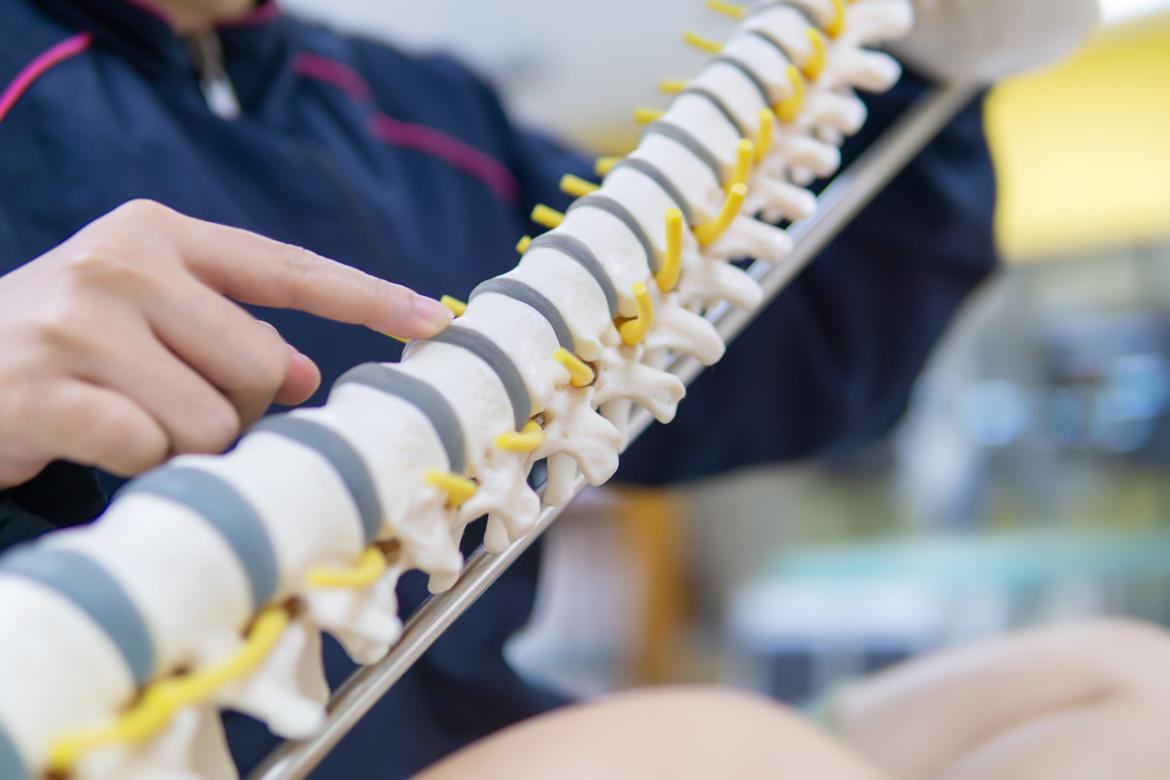
Spina Bifida Rehabilitation
Spina bifida rehabilitation is managed by a multidisciplinary healthcare team. This team typically consists of physiotherapists, occupational therapists, rehabilitation physicians, neurologists, urologists, psychologists, social workers, and other specialists. Treatment is generally individualized and tailored to the patient’s needs and symptoms.
What is spina bifida?
Spina bifida is a congenital anomaly or disorder that occurs during the prenatal period. It develops when the baby’s spine fails to close properly or does not develop completely. In areas where the spine does not close normally, the spinal cord and/or its membranes may protrude outward. Spina bifida typically appears as an opening or defect in the baby’s lower back or spinal region.
What are the clinical types of spina bifida?
- Spina bifida occulta: This is the mildest form and usually does not cause symptoms. There is an opening or defect in the spine, but the spinal cord and membranes remain in their normal position. It often goes unnoticed, and most people are unaware they have this condition.
- Meningocele: In this type, the spinal membranes (meninges) develop in the normal position, but part of the spine protrudes outward. The spinal cord and nerve roots are not damaged. A visible swelling or sac often forms. Neurological symptoms are less common in meningocele cases.
- Myelomeningocele: This is the most severe form of spina bifida. Portions of the spinal cord and membranes protrude outside the spine. The spinal cord and nerve roots may be damaged. Myelomeningocele usually appears as a mass or opening on the baby’s lower back or spine. Neurological symptoms and complications are common. These may include bladder or bowel control problems, leg weakness or paralysis, cerebrospinal fluid leakage, and hydrocephalus (fluid buildup in the brain).
These clinical types represent a spectrum of spina bifida, and the severity of symptoms and affected body areas vary by individual. Each person with spina bifida is unique, and treatment and management plans are determined according to individual needs.
What are the risk factors for spina bifida?
- Genetic predisposition: Having family members with spina bifida or other congenital anomalies can increase the risk of spina bifida.
- Folic acid deficiency: Folic acid deficiency in early pregnancy increases the risk of spina bifida. Folic acid is a type of B vitamin that helps the baby’s spine close properly.
- Medication use: The use of certain drugs during pregnancy—especially anticonvulsants used for epilepsy—can increase the risk of spina bifida. Therefore, it is important to consult a doctor about medication use when planning pregnancy or during pregnancy.
- Poor nutrition: Inadequate nutrition during pregnancy can contribute to folic acid deficiency and, therefore, an increased risk of spina bifida.
- Diabetes: Having diabetes during pregnancy increases the risk of spina bifida.
- High body mass index (BMI): Being obese or overweight increases the risk of spina bifida.
- Exposure to high temperatures: Being in excessively hot environments during early pregnancy can increase the risk of spina bifida.
- Previous spina bifida birth: Women who have previously given birth to a baby with spina bifida are at increased risk in subsequent pregnancies.
These factors may increase the risk of spina bifida. However, the exact cause is still not fully understood, and in some cases, no clear risk factors may be present. Taking preventive measures and reducing risks through prenatal care and proper nutrition is recommended starting from pregnancy planning.
How is spina bifida rehabilitation treated?
Spina bifida rehabilitation requires a multidisciplinary approach and typically includes the following treatment methods:
- Surgical intervention: In severe cases such as myelomeningocele, the spine may need to be surgically closed shortly after birth. The surgery helps minimize nerve damage and prevent complications, improving the child’s quality of life.
- Physiotherapy: Physiotherapy is a fundamental treatment method used to improve muscle strength, mobility, and balance. The physiotherapist works to enhance motor skills and independence using specific exercises, movement therapy, and assistive devices.
- Bladder and bowel management: To ensure bladder and bowel control, methods such as catheterization, medication, bowel programs, and dietary changes may be used. This helps prevent urinary tract infections and other complications.
- Neurological support: A neurologist monitors and manages neurological issues associated with spina bifida, providing follow-up and medication support if needed.
- Psychosocial support: People living with spina bifida and their families may face emotional and psychosocial challenges. Psychologists or social workers provide support to improve coping and quality of life.
- Education and special needs: Children with spina bifida may require special education support. Special education programs, teachers, therapists, and support services play an important role in their academic and social development.
Spina bifida rehabilitation requires a treatment plan tailored to the individual’s needs and symptoms. This plan may change over time according to the child’s age and development. A multidisciplinary team collaborates to provide continuous support for the child and family.
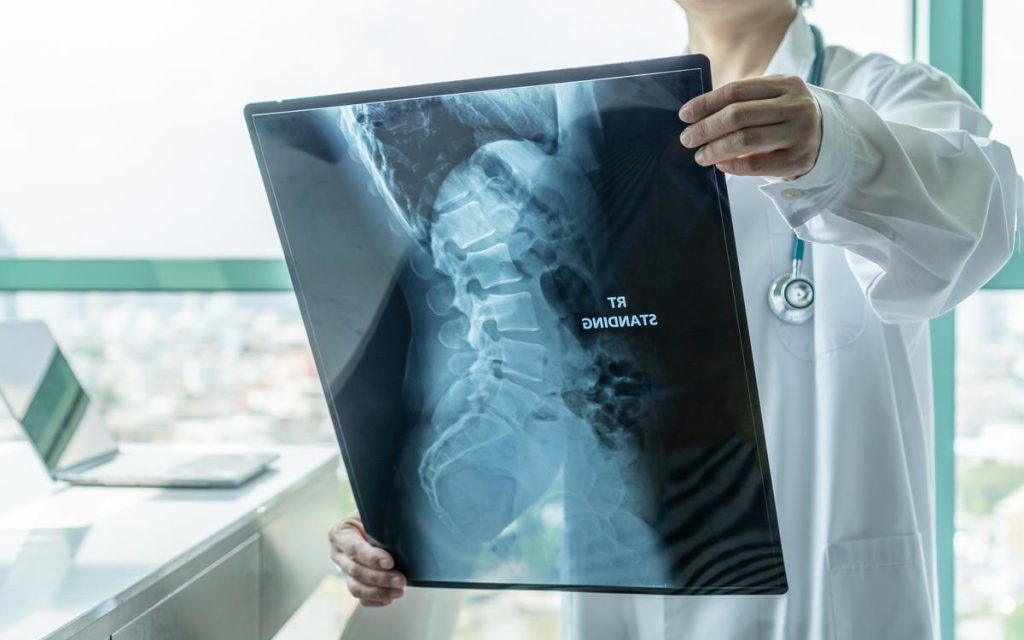
What is applied in spina bifida rehabilitation treatment?
The following methods may be used in spina bifida rehabilitation:
- Physiotherapy: Physiotherapy is used to strengthen muscles, improve mobility, and enhance balance. Physiotherapists design personalized exercise programs using movement therapy, specialized exercises, and assistive devices (such as walkers or wheelchairs) to increase independence.
- Bladder and bowel management: Catheterization, medications, bowel programs, and dietary changes help optimize bladder and bowel function and reduce complications.
- Psychosocial support: Psychologists, social workers, or counselors provide emotional support, coping strategies, and crisis management techniques.
- Education and special needs: Children with spina bifida should be supported in an educational environment that meets their needs. Special education programs and support services are essential for their academic and social development.
- Assistive devices and technologies: Customized wheelchairs, walkers, orthoses, and other assistive devices may be used to enhance movement and independence.
The rehabilitation process is tailored to the individual’s specific needs and symptoms. The treatment plan may vary depending on age, development, and severity. The multidisciplinary team closely follows progress and provides continuous support.
Spina bifida physical therapy exercises
Spina bifida physical therapy exercises are designed to increase muscle strength, improve motor skills, enhance balance, and support mobility. Below are some commonly used physical therapy exercises:
Leg strengthening exercises:
- Squats: Performed by bending and extending the legs while pushing the hips backward from a standing position.
- Lunges: Stepping forward and bending the knee to work the leg muscles.
- Hip extension: From a kneeling position, extending one leg backward to strengthen hip muscles.
Balance and coordination exercises:
- Single-leg stand: Standing on one leg to improve balance, gradually increasing duration.
- Catching and throwing a ball: Improves hand–eye coordination.
Walking exercises:
- Walking with parallel bars: Practicing steps and walking movements while holding onto parallel bars.
- Using walking devices: Practicing proper gait techniques using an appropriate walking aid.
Stretching exercises:
- Leg stretching: Stretching exercises targeting leg and hip muscles.
- Spine stretching: Movements that enhance spinal flexibility.
Aquatic therapy:
- Swimming: Swimming movements that are easier thanks to water buoyancy.
- Water aerobics: Aerobic exercises performed in water to improve muscle strength and cardiovascular endurance.
These exercises should be adapted according to the individual’s abilities and condition. A physiotherapist or rehabilitation specialist evaluates the individual’s needs and plans the appropriate program. It is important to learn the correct techniques and exercise safely under professional guidance.
