


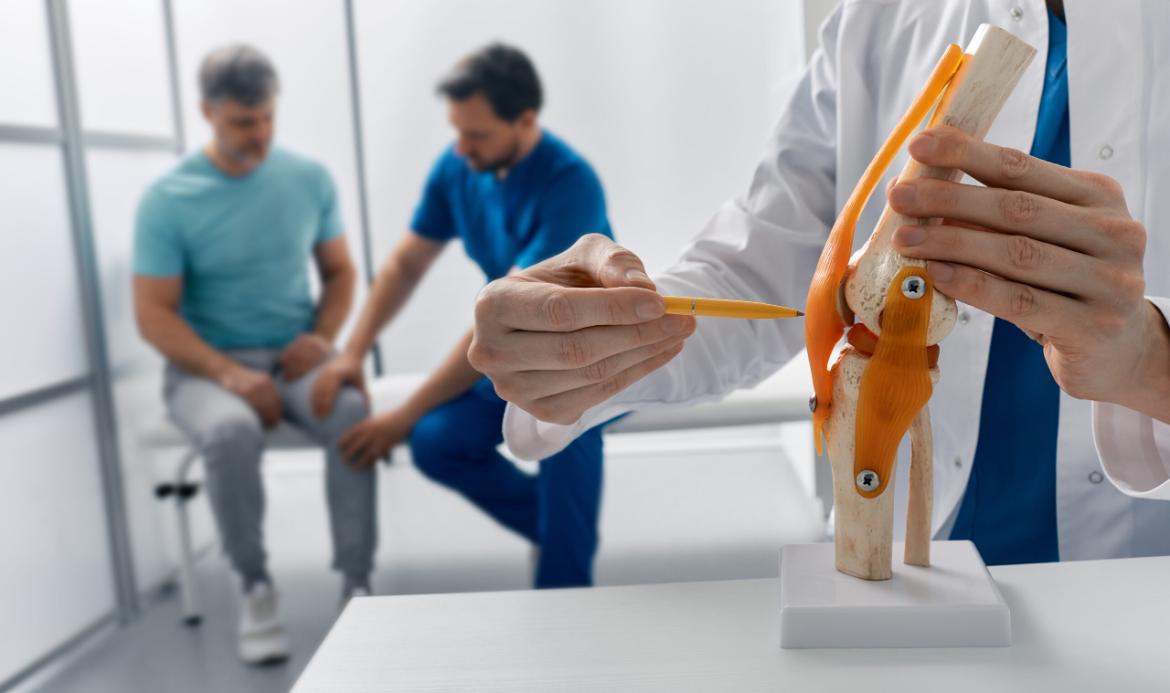
Knee Prosthesis Rehabilitation
Knee replacement rehabilitation is a rehabilitation program that involves individuals who undergo knee replacement surgery due to a serious injury, arthritis, or other condition affecting the knee joint. A knee replacement is an artificial joint that replaces the knee joint.
Knee replacement rehabilitation aims to help patients regain mobility, strength, and functionality in their knees after surgery. This rehabilitation program typically requires a multidisciplinary approach and involves the participation of a team. This team typically includes surgeons, physical therapists, rehabilitation specialists, and nurses.
When is knee replacement rehabilitation needed?
- Arthritis: Arthritis, the wear and tear and degeneration of the cartilage in the knee joint, is the most common reason for knee replacement surgery. For individuals experiencing knee pain, stiffness, and limited movement due to arthritis, knee replacement surgery may be recommended, and a rehabilitation program is also necessary.
- Knee injuries: Knee replacement surgery may be necessary when the knee joint is damaged due to serious injuries, bone fractures, or ligament tears. For example, a serious sports injury or car accident can cause permanent damage to the knee joint, and replacement surgery may be an option.
- Rheumatoid arthritis: An autoimmune disease like rheumatoid arthritis can cause inflammation and degeneration of the knee joint. In cases of progressive damage, knee replacement surgery may be considered, and rehabilitation is important for these patients.
- Other conditions: Conditions such as tumors, infections, or congenital joint disorders in the knee may also require knee replacement surgery. In these cases, post-surgical rehabilitation is important to help the individual regain joint function.
Knee replacement rehabilitation aims to restore knee function and mobility after surgery. Early intervention is often crucial, and a personalized rehabilitation plan is developed based on the individual's condition and post-surgical recovery.
Preoperative rehabilitation in knee replacement surgery
Pre-knee replacement rehabilitation is a program designed to better prepare patients for surgery and enhance post-operative recovery. This rehabilitation process is designed to improve patients' physical conditioning before surgery, improve muscle strength and flexibility, improve range of motion, and reduce the risk of potential complications. Some important aspects of pre-knee replacement rehabilitation include:
- Increasing physical fitness : It's important for patients to improve their overall physical fitness to better prepare for surgery. Cardiovascular exercises, swimming, and cycling can help increase overall endurance. These exercises help strengthen the cardiovascular and respiratory systems before surgery and prepare the body for the healing process.
- Increasing muscle strength and flexibility: Muscle strength and flexibility are important during the recovery process after knee replacement surgery. A preoperative rehabilitation program may include exercises to strengthen the muscles surrounding the knee and increase flexibility. Strengthening the thigh and hip muscles, in particular, is helpful in improving walking ability and functional movement after surgery.
- Improving range of motion: Range of motion is important after knee replacement surgery. A preoperative rehabilitation program may include exercises to stretch the muscles around the knee joint and increase range of motion. This helps reduce postoperative mobility limitations and promote better recovery.
- Education and information: Preoperative rehabilitation involves informing patients about the surgery. During this process, patients receive education on topics such as postoperative expectations, pain management, rehabilitation, and physical therapy. This allows them to better understand the postoperative process and actively participate in the recovery process.
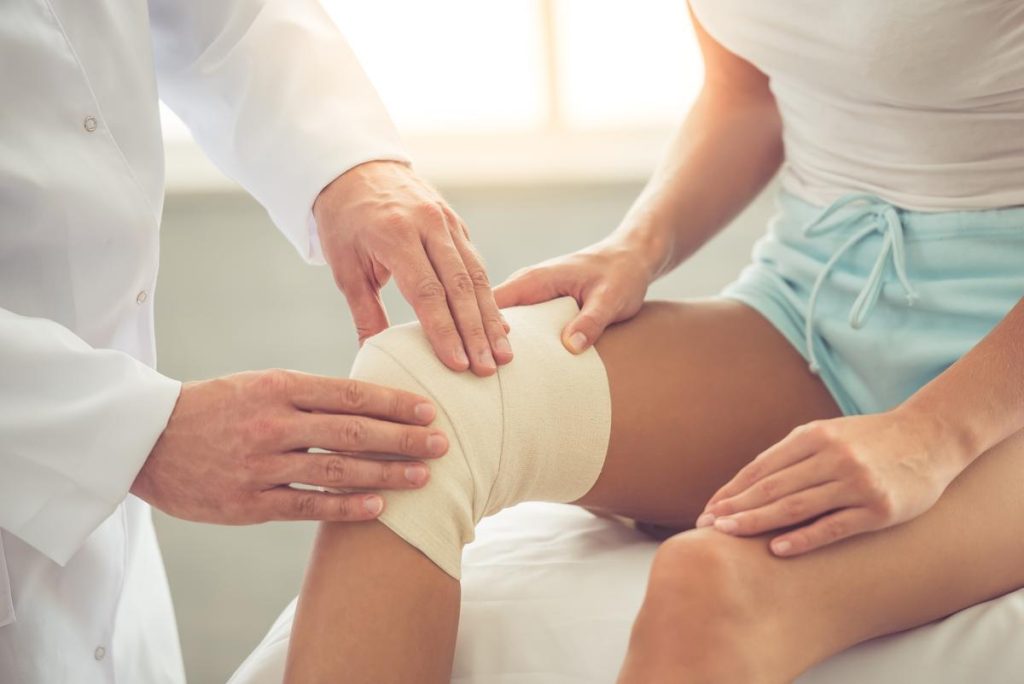
The main goals of rehabilitation after knee replacement surgery
- Restoring Mobility: The goal of the surgery is for the patient to regain mobility and flexibility in the knee joint. Physical therapists use specialized exercises and manipulation techniques to increase the range of motion in the knee joint. This improves the patient's ability to perform daily activities.
- Regaining muscle strength: The muscles surrounding the knee may weaken after surgery. A rehabilitation program includes exercises to increase muscle strength. Strengthening the muscles helps stabilize the knee joint and improves performance during walking and other activities.
- Improving Walking Ability: Following knee replacement surgery, patients are encouraged to improve their walking ability and balance. Physical therapists teach proper walking techniques, ensure the use of walking aids, and determine the appropriate walking pace for the patient. This allows patients to regain their walking skills safely and effectively.
- Pain management: It's common for patients to experience pain after surgery. A rehabilitation program offers methods and techniques to reduce pain. This may include medication, cold and heat applications, and other pain management strategies.
- Restoring independence and activities of daily living: The goal is for patients to be able to independently perform activities of daily living after knee replacement surgery. The rehabilitation program includes exercises and strategies that will enable patients to be more independent at home, at work, and in their social lives.
- Psychological well-being: The period following knee replacement surgery can be emotionally challenging for patients. Rehabilitation aims to boost patient motivation and morale. Psychological support and counseling can be provided alongside physical recovery.
How many days after knee surgery can physical therapy be performed?
The timing of starting physical therapy after knee replacement surgery depends on several factors, including the surgical method, the patient's overall health, and their recovery. Typically, physical therapy after knee replacement surgery begins within 1-2 days of the patient's surgery. However, this period can sometimes be longer or shorter.
Early postoperative physical therapy is important to improve muscle strength, promote joint mobility, and reduce the risk of complications. A physical therapist manages postoperative pain and helps the patient get out of bed and regain walking skills. Initial treatment sessions typically take place in the hospital's physical therapy department or at the patient's bedside.
A physical therapy program is tailored to the patient's recovery and needs. This program typically includes movement therapy, muscle-strengthening exercises, stretching exercises, balance and coordination exercises, gait training, and pain management techniques. Treatment sessions are typically scheduled and customized based on the patient's progress.
A postoperative physical therapy program typically lasts several weeks or months. However, the exact recovery process can vary from person to person. The patient's active participation in the rehabilitation process, in accordance with the recommendations of the surgical team and the guidance of the physical therapist, can significantly impact the success of postoperative recovery.
Who is suitable for knee replacement rehabilitation?
- Patients who undergo knee replacement surgery: Patients who undergo knee replacement surgery require a rehabilitation program during their post-operative recovery. Rehabilitation aims to restore knee joint mobility, increase muscle strength, improve walking skills, and enable independent activities of daily living.
- Patients experiencing knee pain and limited mobility due to arthritis: Knee replacement surgery may be considered for patients experiencing pain and functional limitations due to arthritis in the knee joint. A rehabilitation program supports postoperative recovery by reducing pain, increasing range of motion, and improving muscle strength.
- Patients with joint dysfunction resulting from a knee injury: Patients with joint dysfunction resulting from a serious knee injury may require knee replacement surgery. Rehabilitation is performed to restore joint function after surgery and enable patients to resume their daily activities.
- Those with rheumatoid arthritis or other inflammatory joint diseases: Those with chronic inflammatory joint diseases such as rheumatoid arthritis can develop severe damage and deformity of the knee joint. Knee replacement surgery may be a treatment option for these patients. A rehabilitation program helps patients regain joint mobility and function after surgery.
Knee replacement rehabilitation is customized to the individual's condition and post-surgical recovery. Physical therapists assess the patient's needs and plan an individualized rehabilitation program. Active patient participation in this process is a key factor in enhancing the success of the rehabilitation process.
