


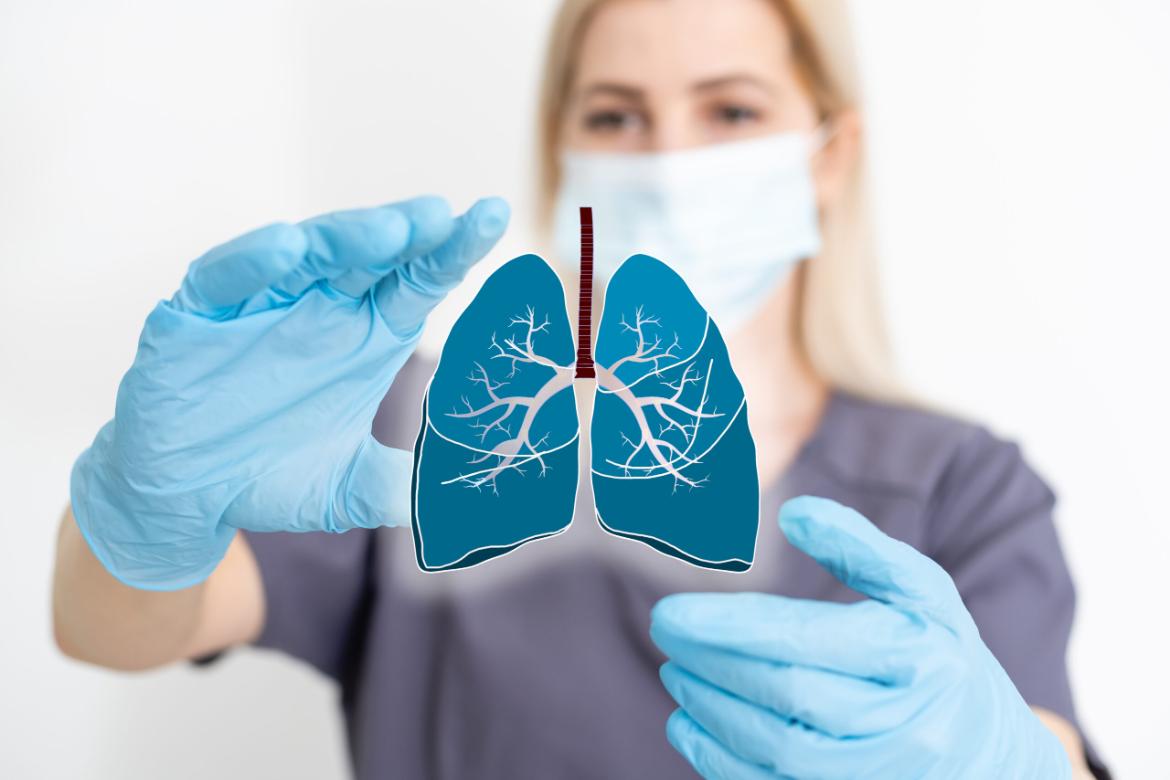
Pulmonary Rehabilitation
A pulmonary rehabilitation program is based on a multidisciplinary approach and is typically implemented collaboratively by a team. This team may include specialists such as a pulmonary rehabilitation physician, physical therapist, nephrologist, dietitian, and psychologist. The program is customized to the individual's needs and the specifics of their condition.
What is pulmonary rehabilitation?
Pulmonary rehabilitation is a treatment program for people with respiratory problems. It is a recommended rehabilitation approach for individuals with respiratory diseases such as chronic obstructive pulmonary disease (COPD), asthma, emphysema, cystic fibrosis, pulmonary hypertension, or respiratory failure. Pulmonary rehabilitation aims to optimize respiratory function, reduce symptoms, increase physical endurance, and improve quality of life.
What is the purpose of a pulmonary rehabilitation program?
The primary goal of a pulmonary rehabilitation program is to improve the quality of life and increase functional independence of individuals with respiratory disease. The general goals of a pulmonary rehabilitation program are listed below:
- Optimizing respiratory function: A pulmonary rehabilitation program aims to improve respiratory system function. This is achieved by teaching inhalation and exhalation techniques, strengthening respiratory muscles, and increasing lung capacity. This strengthens breathing, reducing difficulty breathing and making breathing more efficient.
- Increasing physical endurance: A pulmonary rehabilitation program aims to improve individuals' physical endurance and overall fitness. Activities such as aerobic exercises, respiratory muscle strengthening exercises, and resistance training increase individuals' physical endurance, boost energy levels, and enable them to perform daily activities more easily.
- Reducing Symptoms: A pulmonary rehabilitation program aims to reduce the symptoms of respiratory diseases. Symptoms such as cough, shortness of breath, and distress are addressed, and individuals are taught techniques to manage these symptoms. This helps control symptoms and improve quality of life.
- Improving patients' ability to manage their own health: A pulmonary rehabilitation program provides individuals with information and education about respiratory disease. It aims to raise patients' awareness of topics such as medication use, the use of ventilators, energy-saving strategies, nutritional management, and maintaining exercise at home, and to develop their own health management skills. This allows patients to more effectively manage their illness and improve their quality of life.
The aim of the pulmonary rehabilitation program is to help individuals live more active, healthy and independent lives by minimizing the effects of respiratory diseases.
Which patients can be included in the pulmonary rehabilitation program?
A pulmonary rehabilitation program is a recommended treatment approach for individuals with various respiratory diseases or respiratory failure. Below are some examples of patients who may qualify for a pulmonary rehabilitation program:
- Chronic obstructive pulmonary disease (COPD): COPD is a disease caused by chronic obstruction of the airways. Individuals with COPD may be enrolled in a pulmonary rehabilitation program to optimize respiratory function and reduce symptoms.
- Asthma: Asthma is a disease that causes difficulty breathing due to inflammation and narrowing of the airways. Asthma patients can participate in a pulmonary rehabilitation program to manage asthma symptoms, learn breathing techniques, and increase physical endurance .
- Emphysema: Emphysema is a disease caused by damage to the air sacs in the lungs. This can make it difficult to breathe effectively. People with emphysema may be enrolled in a pulmonary rehabilitation program to improve respiratory function and reduce symptoms.
- Cystic Fibrosis: Cystic fibrosis is a genetic disease characterized by the thickening of mucus and digestive fluids in the body. It can have adverse effects on the respiratory system, and a pulmonary rehabilitation program may be recommended to maintain respiratory function and perform respiratory strengthening exercises.
- Pulmonary Hypertension: Pulmonary hypertension is a condition characterized by high blood pressure in the lungs. This can have adverse effects on the respiratory system. A pulmonary rehabilitation program can help people with pulmonary hypertension reduce symptoms, increase endurance, and improve their quality of life.
These are just a few examples. Patient selection for a pulmonary rehabilitation program is based on the type of disease, severity of symptoms, overall health, and needs of the patient. Pulmonary rehabilitation requires an individualized approach, with a specialized healthcare team evaluating and identifying suitable candidates.
How is pulmonary rehabilitation planned?
A pulmonary rehabilitation program is planned on an individualized basis, based on the individual's specific needs and health status. During the planning phase, a pulmonary rehabilitation team assesses the individual and determines the rehabilitation program's priorities. Key steps in pulmonary rehabilitation planning include:
- Referral and Assessment: When an individual presents with a respiratory issue, an evaluation process for participation in a pulmonary rehabilitation program is initiated. This process includes reviewing the individual's medical history, symptoms, pulmonary function tests, and other relevant tests. The pulmonary rehabilitation team uses this information to determine the individual's overall health and rehabilitation needs.
- Goal setting: Following the assessment process, the individual's priority goals and needs are identified. These goals may include improving respiratory function, reducing symptoms, increasing physical endurance, enabling participation in activities of daily living, and improving quality of life. Goals should also align with the individual's personal goals.
- Creating an individualized program: Once goals are established, the pulmonary rehabilitation team creates a rehabilitation program tailored to the individual. This program may include various components, such as exercise programs, breathing exercises, energy-saving strategies, symptom management, nutritional management, medication use, and psychosocial support. The program is tailored to the individual's current health status, lifestyle, and goals.
- Monitoring and progress assessment: Throughout the pulmonary rehabilitation program, the individual is regularly monitored and their progress assessed. This monitoring includes pulmonary function tests, exercise performance measurements, symptom assessments, and quality of life assessments. These assessments are important for monitoring the program's effectiveness and adjusting it as needed.
A pulmonary rehabilitation program requires a multidisciplinary approach and is implemented by a pulmonary rehabilitation team. This team includes pulmonary physiotherapists, respiratory specialists, exercise physiologists, nutritionists, psychologists, and other healthcare professionals. Individual participation, motivation, and compliance are crucial to the program's success.
What is done in a pulmonary rehabilitation program?
A pulmonary rehabilitation program is a comprehensive treatment approach that includes various components to improve an individual's respiratory health and quality of life. Below are the basic procedures typically performed in a pulmonary rehabilitation program:
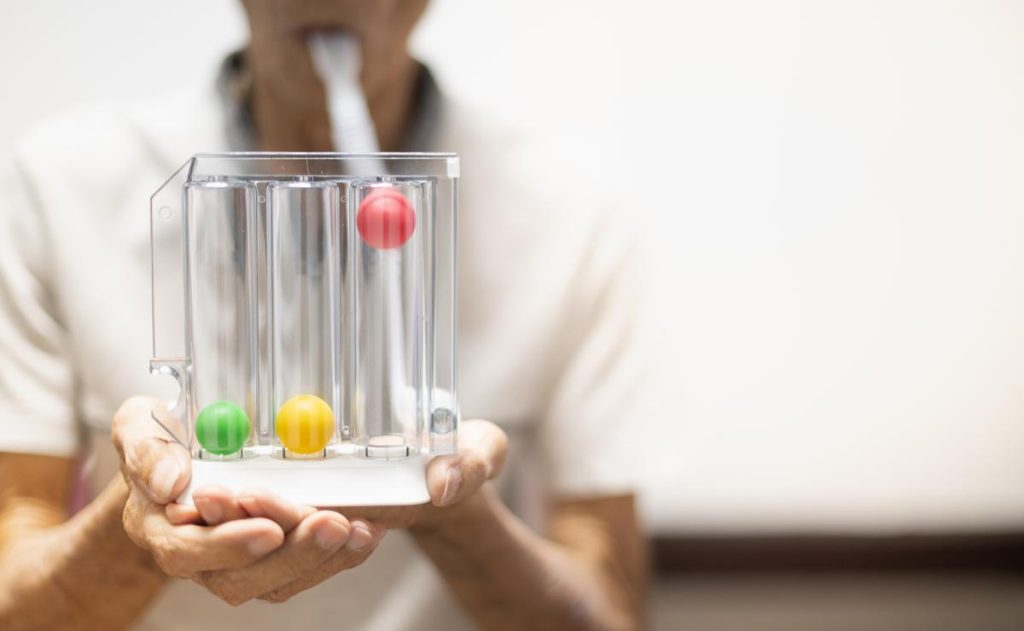
- Breathing exercises: A pulmonary rehabilitation program includes breathing exercises to strengthen respiratory muscles and teach breathing techniques. These exercises teach proper inhalation and exhalation techniques, help strengthen respiratory muscles, and reduce breathing difficulties.
- Aerobic exercise: Aerobic exercise is performed to increase an individual's physical endurance, support cardiovascular health, and boost energy levels. Low-impact aerobic exercise, such as walking, cycling, and swimming, can be effective in improving endurance in patients with respiratory conditions.
- Resistance exercises: Resistance exercises aim to increase muscle strength and endurance. These exercises, performed using light weights, elastic bands, or body weight, help strengthen respiratory muscles and improve overall physical function.
- Symptom management: A pulmonary rehabilitation program offers strategies for managing symptoms. Methods such as breathing control, position changes, energy-saving techniques, and the use of respiratory assistive devices are taught to reduce symptoms such as cough, shortness of breath, and distress.
- Nutritional counseling: The pulmonary rehabilitation program provides counseling on creating a healthy eating plan and developing appropriate eating habits. This is important for managing body weight, improving energy levels, and supporting overall health.
- Psychosocial support: The pulmonary rehabilitation program also offers psychosocial support services. Respiratory diseases can negatively impact an individual's mental health. The program provides support for meeting their emotional needs, managing stress, and coping with depression and anxiety.
- Education and information: A pulmonary rehabilitation program provides individuals with information about respiratory diseases. They are educated on topics such as the causes and symptoms of the disease, medication use, exercises, breathing techniques, and daily life considerations.
A pulmonary rehabilitation program is customized to the individual's needs and managed by a specialist pulmonary rehabilitation team. The program's content and duration may vary for each individual.
How long should a pulmonary rehabilitation program last?
The length of a pulmonary rehabilitation program varies depending on the individual's needs and health status. Because each individual's situation is unique, the duration of the pulmonary rehabilitation program is personalized. Typically, a pulmonary rehabilitation program lasts between 6 and 12 weeks. However, in some cases, the program may last shorter or longer.
The duration of a pulmonary rehabilitation program depends on the individual's ability to achieve rehabilitation goals, the severity of their respiratory disease, their current health status, and other factors. The program aims to improve their respiratory function, endurance, ability to manage their symptoms, and quality of life. Duration is determined by the individual's progress and response to the program components.
Regular follow-up and evaluations are conducted throughout the pulmonary rehabilitation program. Progress is monitored, and the program is adjusted as necessary. After the program, the individual is supported with home exercises and strategies to maintain their self-management skills.
What exercises are done in pulmonary rehabilitation?
Various exercises are used in pulmonary rehabilitation. These aim to improve the individual's respiratory system function and endurance. Some of the most commonly used exercises in pulmonary rehabilitation include:
- Aerobic exercise: Low-impact aerobic exercise, such as walking, cycling, running, and swimming, is used to increase endurance in patients with respiratory problems. Aerobic exercise supports cardiovascular health, increases energy levels, and improves overall quality of life.
- Breathing exercises: Breathing exercises aim to strengthen respiratory muscles and improve respiratory control. They teach proper inhalation and exhalation techniques. These exercises include techniques such as deep breathing, controlled breathing, and pursed-lip breathing.
- Resistance exercises : Resistance exercises aim to increase muscle strength and endurance. For respiratory patients, the goal is generally to strengthen the upper body muscles. Exercises using light weights, elastic bands, or body weight fall into this category.
- Breathing exercises: Breathing exercises aim to optimize the inhalation and exhalation processes. They are used to reduce shortness of breath and breathing difficulties in patients with respiratory diseases. Exercises such as slow and controlled breathing, breath holding, and deep breathing are employed.
- Positioning exercises: Positioning exercises involve using appropriate positions to optimize breathing. Postural techniques are used, particularly to facilitate mucus movement. Positions such as leaning forward or using a raised pillow may be preferred.
- Neuromuscular exercises: Neuromuscular exercises are used to make the respiratory muscles work more effectively. These exercises aim to activate the muscles in the correct sequence and improve coordination.
A pulmonary rehabilitation program is customized to the individual's needs and managed by a specialized pulmonary rehabilitation team. This team may include physiotherapists, respiratory specialists, and exercise physiologists. The exercise program is planned according to the individual's health status, rehabilitation goals, and current capacity.
