


Septicemia
This condition, commonly referred to as blood poisoning, actually means that the infection within the body spreads into the bloodstream. When the infection enters the bloodstream, the immune system responds by flooding the body with various chemicals to fight the microbes. This can cause widespread inflammation and clotting problems throughout the body. Bacteria are usually the source of the infection, but other microorganisms such as viruses and fungi can also cause this condition, called sepsis. The body can overreact to the infection, triggering sepsis. Sepsis can lead to septic shock. Septic shock is characterized by insufficient blood flow to all tissues and can cause a significant drop in blood pressure. This is a serious condition that can lead to a mortality rate of up to 50%. Sepsis is a medical emergency requiring immediate medical attention. If left untreated, it carries the risk of tissue damage, organ failure, or death.
What are the factors that cause septicemia?
If you would like to provide more information about sepsis risk factors and common infections, you can write as follows:
Sepsis is a condition that can cause widespread infection throughout the body and can be associated with a variety of infections. Infections that commonly cause septicemia include:
- Lung infections (Pneumonia): Bacterial or viral pneumonia can increase the risk of sepsis. Lung infections can cause the infection to spread rapidly.
- Urinary tract infections: Infections, especially those that spread to the urinary tract, can increase the risk of sepsis. Such infections can often lead to serious kidney problems.
- Skin infections (Cellulite, Erysipelas ): Infections that develop under or on the skin surface can pass into the bloodstream and lead to sepsis.
- Tooth infections (abscess): Tooth or gum infections inside the mouth can allow bacteria to enter the body and lead to sepsis.
- Wound infections: Infections that occur after surgery or as a result of injury can increase the risk of sepsis.
- Bone infections (Osteomyelitis): Bone infections can increase the risk of sepsis and often require long-term treatment.
- Intestinal infections: Infections in the small or large intestines can cause bacteria to pass into the bloodstream.
Among the microorganisms that cause sepsis, the following can often be found:
- Staphylococcus aureus: This bacteria can cause many infections, including skin infections and post-surgical infections.
- Escherichia coli (E. coli): A common type of bacteria that can cause urinary tract infections.
- Streptococcal species: Certain types of streptococcal bacteria can also cause sepsis.
People at high risk of sepsis may be:
- Patients hospitalized for long periods: The hospital environment can increase the risk of infection.
- Those who have recently undergone surgery: Patients who have had a catheter or vascular access inserted, in particular, may be at risk of infection.
- Elderly: People over 65 may be at greater risk because their immune systems are weakened.
- Babies: Babies younger than 1 year old may be more vulnerable because their immune systems are not yet fully developed.
- Those with chronic illnesses: Those with diabetes, cancer, or other chronic illnesses that weaken the immune system may be more susceptible to infections.
- Those with burns or open wounds: Extensive wounds or burns can increase the risk of infection.
Patients with weakened immune systems may be more vulnerable to infection and at higher risk of sepsis. It's important to remember that prompt diagnosis and treatment of sepsis is crucial.
Signs and symptoms of sepsis
Although the symptoms of septicemia (sepsis) may vary from patient to patient, they can generally be listed as follows:
Early symptoms:
- High fever: An increase in body temperature may occur.
- Tremors: Severe tremors may occur.
- Weakness and fatigue: There may be a general feeling of weakness and extreme tiredness.
- Sweating: Sweating may increase and the skin may become moist.
- Rapid breathing (tachypnea): Respiratory rate may increase.
- Drop in blood pressure (hypotension): Blood pressure may drop, which is a serious symptom.
- Increased heart rate (Tachycardia): Heart rate may increase, palpitations may be felt.
Late stage symptoms:
- Confusion: The patient may experience mental confusion or loss of consciousness.
- Nausea and vomiting: Nausea and vomiting may occur.
- Photosensitivity: The eyes may become sensitive to light.
- Pain and discomfort: Severe pain may occur, especially in the abdominal area or depending on the source of the infection.
- Cold hands and feet: The skin may become cold and pale, especially due to circulation problems.
- Agitation and lethargy: Behavioral changes such as agitation (restlessness) or lethargy (sleepiness and inactivity) may be observed in the patient.
- Coma: In the most severe cases of sepsis, loss of consciousness and coma may occur.
Sepsis is a serious medical emergency and requires rapid intervention. Early diagnosis and treatment can improve a patient's chances of survival. If symptoms of sepsis are suspected or experienced, a healthcare professional should be contacted immediately.
Diagnosis of Septicemia (sepsis)
The diagnosis of septicemia (sepsis) is made by combining the patient's clinical symptoms, physical examination, and laboratory test results. Methods used to diagnose septicemia:
- Clinical assessment: The patient's general condition is observed. Symptoms such as deterioration of clinical condition, fever, rapid heart rate, rapid breathing, and low blood pressure raise the suspicion of septicemia.
- Physical Examination: A physical examination of the patient is performed. The heart, lungs, abdomen, and other vital organs are examined. The physical examination specifically looks for findings that indicate the source of the infection.
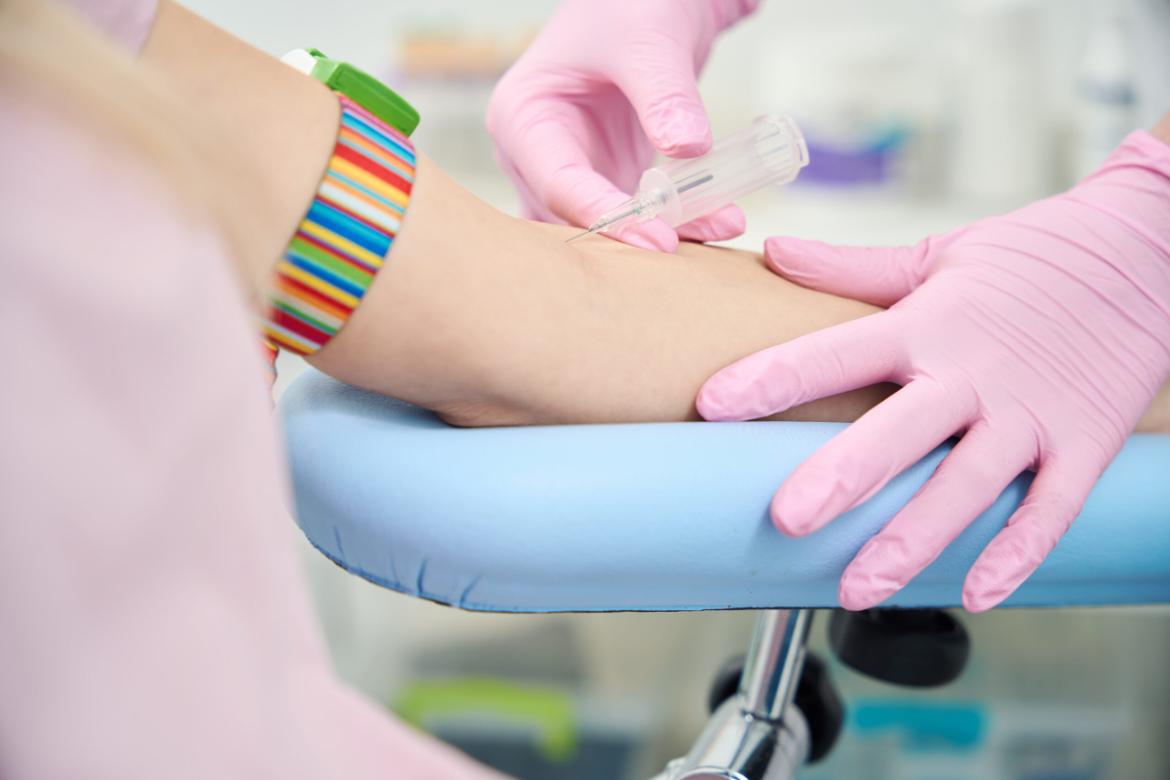
- Blood cultures: Blood cultures are the most important diagnostic tool. This test is designed to detect the presence of microorganisms causing the infection in the patient's blood. Appropriate antibiotic treatment is initiated based on the blood culture results.
- Other laboratory tests: Other laboratory tests are also used to diagnose septicemia. These tests include a complete blood count, blood gases, oxygen saturation, and blood chemistry (electrolyte, kidney, and liver function tests). These tests are used to assess the patient's overall health.
- Imaging tests: Imaging tests such as X-rays, ultrasounds, or CT scans may be performed to determine the source of the infection causing septicemia. These tests can help pinpoint where the infection originated and spread.
- Body fluid cultures: To determine the source of the infection, samples of body fluids, such as urine cultures or catheter cultures, may be taken. These cultures can help determine the microorganisms causing the infection.
Septicemia is diagnosed by evaluating the patient's clinical condition, laboratory findings, and imaging tests together. Early diagnosis and treatment increases the chances of managing septicemia and can prevent serious complications.
Septicemia (sepsis) Treatment
Treatment for septicemia may involve a variety of methods, depending on factors such as the patient's general condition, the source of the infection, and the severity of sepsis. Treatment should begin promptly and be managed with a multidisciplinary approach. The basic methods used in the treatment of septicemia are listed below:
- Antibiotic therapy: Appropriate antibiotics are prescribed based on the source of infection and blood culture results. Antibiotics play a critical role in controlling the infection. The first dose should be administered as soon as possible and may need to be continued for a specified period.
- Fluid therapy: Intravenous (IV) fluids are given to the patient to regulate fluid balance and support circulation. This can improve blood pressure and ensure that tissues receive adequate oxygen and nutrients.
- Supporting blood pressure: Sepsis can cause low blood pressure (hypotension). Therefore, efforts are made to stabilize the patient's blood pressure. This may sometimes require the use of vasopressor medications.
- Oxygen therapy: Oxygen therapy is administered to increase the patient's oxygen saturation and ensure tissue oxygenation. This may be achieved through methods such as an oxygen mask or mechanical ventilation.
- Intensive care support: Most cases of septicemia are monitored and treated in an intensive care unit, where the patient's vital signs (blood pressure, heart rate, and respiratory rate) are continuously monitored and medical support is provided as needed.
- Management of the source of infection: If possible, the source of infection causing the septicemia can be surgically removed. For example, surgery may be necessary for abscesses or tissue infections.
- Supportive treatments: Supportive treatments are applied as necessary to correct electrolyte balance, support kidney function and protect other body systems.
Septicemia treatment must begin quickly and effectively, as any delay can lead to serious complications. Depending on the patient's condition, treatment can be lengthy and may continue for days or weeks. Therefore, septicemia management must be closely monitored by a healthcare team.
What are the Complications of Septicemia?
Because septicemia (sepsis) is a serious medical emergency, the risk of complications is high, and if left untreated or treated late, the following complications can occur:
- Organ failure: The most common complications are related to organ failure. Septicemia can impair the function of the heart, kidneys, liver, lungs, and other organs.
- Kidney failure: Septicemia can cause the kidneys to fail, which may require kidney support treatments such as hemodialysis or dialysis.
- Liver failure: The liver is an important organ for clearing toxins and supporting the body in fighting infection. Liver function can be impaired in septicemia.
- Lung damage: Septicemia can damage the lungs and lead to lung failure, which may require oxygen therapy or mechanical ventilation.
- Brain damage: Inadequate oxygen and blood flow can damage the brain and lead to neurological problems.
- Amputation: Severe sepsis can cause skin and tissue infections that can lead to tissue death (gangrene) and amputation.
- Increased risk of infection: After septicemia, the immune system may weaken and the patient may be at increased risk of other infections.
- Sepsis: If left untreated or unresponsive, septicemia can progress to shock, which is fatal. Septic shock results in insufficient blood flow to all body organs, carrying a serious risk of death.
Septicemia can lead to serious complications and can be fatal if not treated quickly and effectively. Therefore, it is important to seek medical attention immediately if you recognize septicemia or notice its symptoms. Early diagnosis and treatment can reduce the severity of septicemia and prevent complications.
Precautions That Can Be Taken to Reduce the Risk of Sepsis
- Hand hygiene: Hands should be washed frequently and correctly. Hands should be washed with soap and water for at least 20 seconds, especially after using the toilet, before preparing food, and during patient care.
- Vaccinations: Vaccines, especially against infections such as influenza, pneumonia, and meningitis, should be administered according to the recommended schedule. Vaccines play an important role in reducing the risk of infection.
- Chronic disease management: People with chronic health problems such as diabetes, cancer, and heart disease should visit their doctors regularly, use recommended medications regularly, and make healthy lifestyle changes.
- Wound care: Any wound, cut, or scratch should be cleaned immediately and dressed appropriately to reduce the risk of infection. Wound care should not be neglected.
- Healthy diet: A balanced and healthy diet should be followed. This helps strengthen the immune system.
- Physical activity: Engaging in regular physical activity at least 3 times a week can strengthen the immune system and improve overall health.
- Avoid smoking and alcohol: Smoking and excessive alcohol consumption can weaken the immune system and increase the risk of infection, so these habits should be avoided.
- Catheter care: Those using urinary catheters or other medical devices should receive training in device care and cleaning. These devices should be inspected regularly to reduce the risk of infection.
- Patient isolation: People who are sick should take appropriate isolation precautions to avoid spreading their infection to others.
To reduce the risk of septicemia, it's important to maintain good personal hygiene, maintain a healthy lifestyle, and practice infection control measures. Furthermore, being mindful of symptoms of infection and seeking medical attention when necessary is also critical for preventing septicemia.
Is Septicemia Contagious?
No, septicemia (sepsis) is not a contagious disease. It is a condition that occurs when bacteria, viruses, or other infections already present in the body spread and the body overreacts. Therefore, it is not transmitted from one person to another through direct contact or airborne transmission. However, infections that can lead to septicemia can be contagious. For example, a bacterial infection (such as Streptococcus or Escherichia coli) can be transmitted to others through contact. Therefore, protecting yourself from infections and limiting contact with infected individuals is important to reduce the risk of septicemia.
