


Brain Inflammation (Encephalitis)
Encephalitis, commonly known as inflammation of the brain or brain infection, is a serious health problem and can be fatal. While its causes can vary, it is a rare infectious disease. Encephalitis can occur in people of all ages and is usually caused by viruses. The risk of encephalitis increases with weakened immune systems or poor hygiene. Encephalitis can present with various symptoms, which can be alleviated with medication. However, if left untreated, the effects of the disease can worsen over time and brain function can deteriorate. Therefore, a treatment plan should be established immediately after encephalitis is diagnosed. Early treatment can increase the patient's chances of recovery.
Encephalitis should not be confused with meningitis, which is inflammation of the lining of the brain. Meningitis is characterized by inflammation of the lining of the brain, whereas in encephalitis, the inflammation develops within the brain tissue. Early diagnosis and treatment can reduce the effects of encephalitis. Therefore, it is important to be aware of the symptoms of encephalitis and to consult a doctor immediately if these symptoms appear.
What is encephalitis?
Encephalitis is medically known as inflammation of the brain. This disease can be triggered by viruses, bacteria, or fungi, but it can also develop through autoimmune processes resulting from a malfunctioning immune system. Inflammation of active brain tissues initiates a process called inflammation, which results in a range of symptoms. Encephalitis can often cause symptoms such as headache, stiff neck, sensitivity to light, mental confusion, and various seizures. This disease can occur at any age, but research suggests it is more common in younger people.
Information on the symptoms of encephalitis
Encephalitis symptoms may initially begin with cold or flu-like symptoms, but more serious symptoms may appear later. Characteristic physical signs of this disease may include:
- High fever
- Long-term headaches
- Joint pain that may occur anywhere in the body
- Muscle weakness
- Nausea
- Neck stiffness
Neurological symptoms are usually seen in the following ways:
- Behavioral changes and disorders
- Mental confusion and cloudiness
- Difficulty speaking or moving
- Occasional loss of consciousness
- Difficulty recalling recent and distant memories
- Seizures
- Sensitivity to light and sound
- double vision
- Come
Encephalitis symptoms may be mild at first but can become more serious over time. Therefore, it's important to take cold- or flu-like symptoms more seriously and consult a healthcare professional. Early diagnosis is crucial to mitigating the effects of the disease.
Encephalitis causes and risk factors
While the exact cause of encephalitis is unclear, there are a number of potential factors and risk factors that can lead to encephalitis. The following are some of the causes and risk factors:
- Viral infections: Encephalitis is often associated with viral infections. Herpes simplex and herpes varicella viruses, in particular, can cause encephalitis.
- Bacterial infections: Bacterial infections can rarely cause encephalitis.
- Autoimmune Inflammation: Autoimmune inflammation, which occurs when the immune system mistakenly targets its own brain tissues, can cause encephalitis.
- Noninfectious inflammatory conditions: Noninfectious inflammatory conditions can also lead to encephalitis.
- Age and gender: All age groups are at risk for encephalitis, but certain types of encephalitis are more common in certain age groups. For example, young children and older adults are more prone to viral encephalitis.
- Immune problems: People with diseases that weaken the immune system, such as HIV/ AIDS , those taking immunosuppressive medications, and those with other diseases that weaken the immune system are at risk for encephalitis.
- Regional risk: Mosquitoes and ticks found in certain regions may increase the risk of encephalitis. These creatures are more active during the summer months, so summer may increase the risk of encephalitis.
Because encephalitis is a complex disease, it can be difficult to pinpoint the exact cause. However, by considering these factors and risks, infection prevention, vaccinations, and immune-boosting measures can reduce the risk of encephalitis.
Types of encephalitis disease
Encephalitis can occur in two basic types:
- Infectious encephalitis: This type of encephalitis is caused by infections. Once the most common infections, encephalitis has become rarer with the development and widespread use of vaccines. Examples include encephalitis caused by diseases such as mumps, measles, chickenpox, and rubella. However, some viruses can still cause encephalitis, such as:
- West Nile virus
- Japanese encephalitis virus
- La Crosse virus
- Louis virus
- Powassan virus
- Argentina virus
- Chikungunya virus
- Autoimmune encephalitis: This type of encephalitis develops when a person's own immune system and antibodies attack brain tissue. Autoimmune encephalitis can include different subtypes and manifest in different ways, depending on which protein or receptor is targeted. Examples include:
- Anti-NMDA receptor encephalitis: The immune system targets NMDA receptors.
- VGKC complex antibody encephalitis: The immune system targets the VGKC brain protein complex, which may include the LGI-1 and CASPR2 subtypes.
- GABA-A and GABA-B receptor encephalitis: In these types, the immune system may target GABA receptors.
These different types of encephalitis have different causes and mechanisms, and treatment approaches can vary. It's important to see a healthcare professional for diagnosis and treatment if you experience any symptoms of encephalitis.
How is encephalitis diagnosed?
Various assessments and tests must be performed to diagnose encephalitis. The methods used to diagnose encephalitis are listed below:
- Medical history and questioning: The patient's medical history is reviewed. Risk factors such as vaccination status, previous respiratory or gastrointestinal illnesses, and animal contact or tick bites are also inquired about. Travel history may also be important.
- Physical examination: The patient's general health is assessed. Neurological symptoms and physical findings are examined.
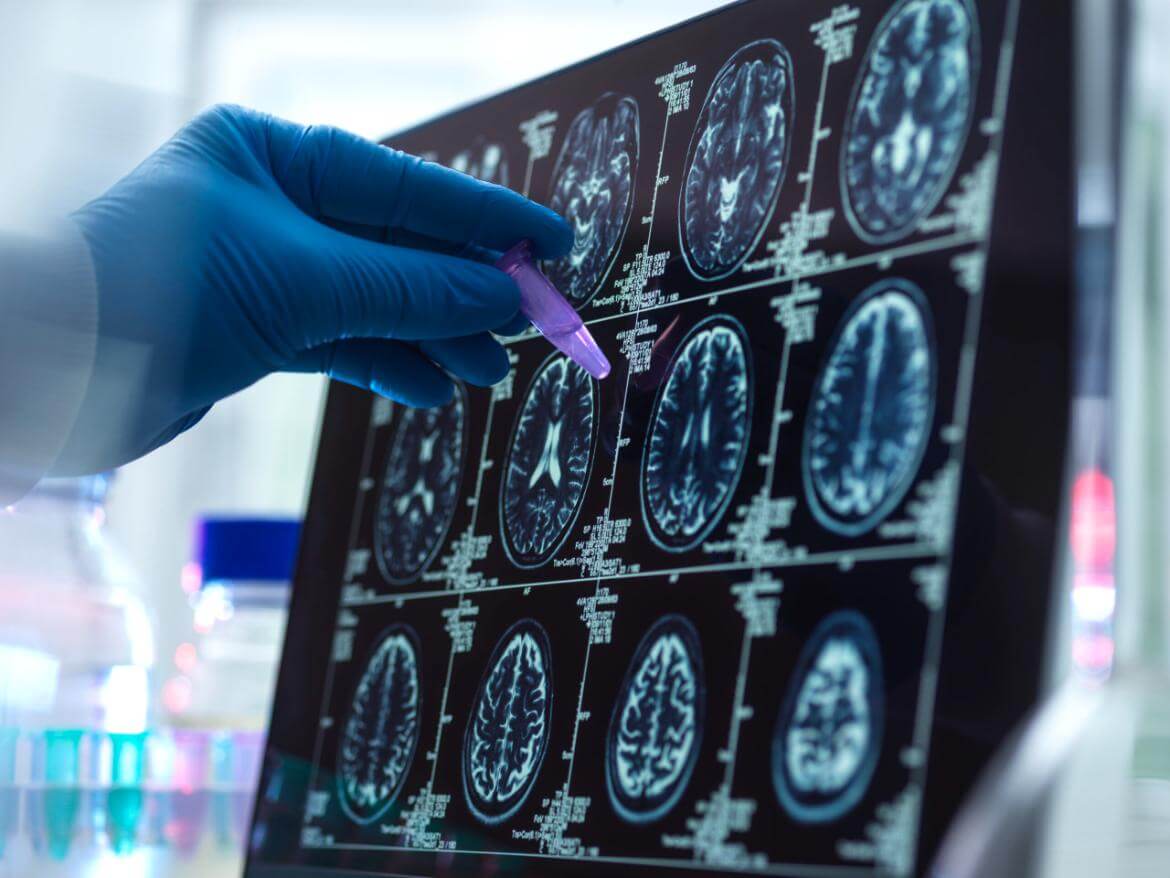
- Imaging tests: Imaging tests, such as brain MRIs or CT scans, may be used. These tests can help show signs of brain damage or infection.
- Spinal fluid analysis (lumbar puncture): Collection and examination of spinal fluid can help determine the cause of encephalitis symptoms. This test can also detect signs of infection.
- Electroencephalography ( EEG ): An EEG can help detect seizures or neurological abnormalities by examining electrical activity in the brain.
- Blood and other lab tests: Blood, urine, and stool tests may be performed. These tests can indicate the presence of infections or noninfectious inflammatory conditions.
- Sputum culture: Sputum culture can be taken to detect infections.
- Brain biopsy: In rare cases, a brain biopsy may be necessary to examine brain tissue.
- Brain pressure measurement: Intracranial pressure (ICP) measurement can be used to assess brain swelling.
All of these tests and evaluations can lead to a proper diagnosis. Encephalitis must be diagnosed accurately and quickly, and treatment must begin as early as possible.
Encephalitis treatment approaches
Treatment for encephalitis may vary depending on the underlying cause and the severity of symptoms. The following methods are used in the treatment of encephalitis:
- Treating the underlying cause: If encephalitis is caused by a viral infection, antiviral medications may be used. If it is caused by a bacterial infection, antibiotics are required. In cases of autoimmune encephalitis, immunotherapy such as steroids, intravenous antibody therapy, or plasma exchange may be used.
- Seizure control: Encephalitis can sometimes cause seizures. Antiepileptic drugs can be used to control seizures.
- Supportive care: People with encephalitis are often hospitalized and receive supportive care. This helps monitor body functions, maintain fluid balance, and address complications such as breathing problems.
- Management of symptoms: Medications may be prescribed to relieve symptoms such as headache, fever, and nausea.
- Dietary changes: A ketogenic diet may be used in some patients to control seizures caused by encephalitis.
- Respiratory and nutritional support: In cases of loss of consciousness, devices such as a breathing tube, urinary catheter or feeding tube may be used.
- Physical therapy: Physical therapy may be used to treat muscle weakness or movement disorders caused by encephalitis.
- Prevention: Vaccination and hygiene practices are important to prevent the spread of viruses and bacteria that can cause encephalitis. Additionally, precautions should be taken to protect yourself from mosquito and tick bites.
Encephalitis treatment can be more effective with early diagnosis and appropriate treatment. Therefore, it is important to see a healthcare professional immediately if you experience symptoms of encephalitis.
