


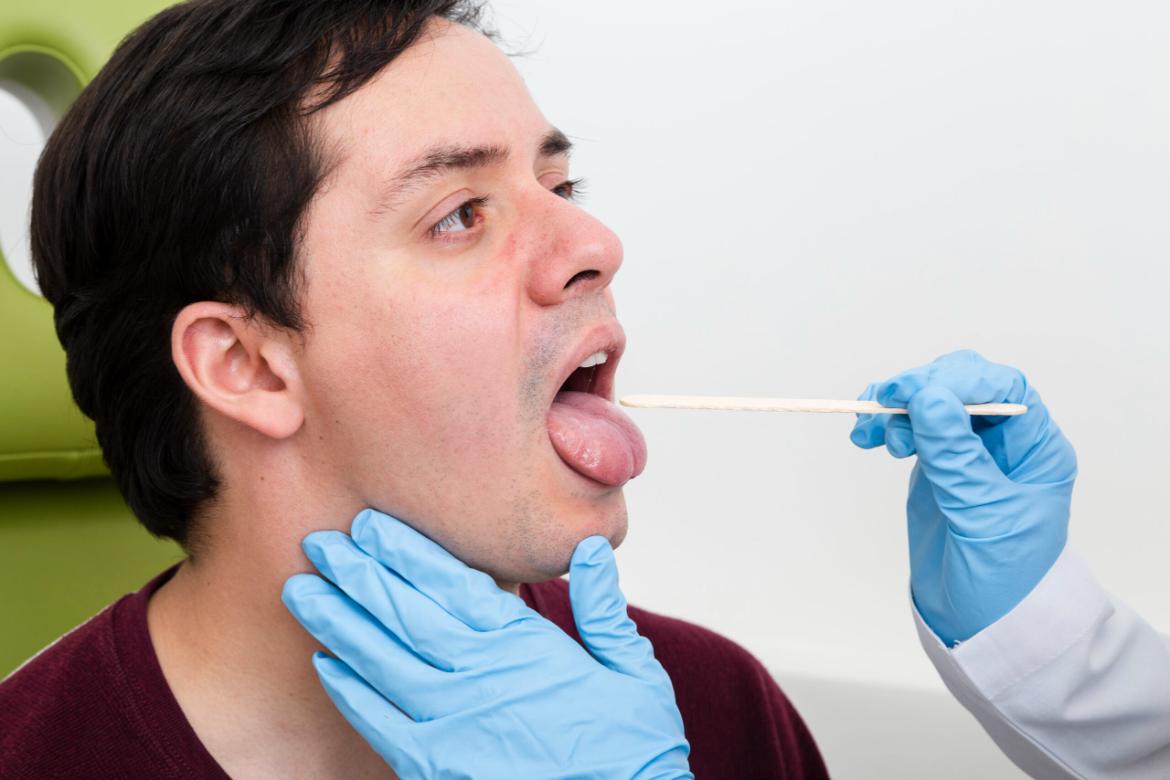
Uvula Swelling
Swollen uvula is a condition that usually occurs due to irritation or infection. A condition called uvulitis occurs when the uvula becomes inflamed and can cause difficulty swallowing and breathing. It can also cause discomfort and pain inside the mouth. Swollen uvula is generally not serious and can resolve on its own within a few days with simple home remedies. However, if the swelling is severe, interferes with feeding, or causes difficulty breathing, immediate medical attention and treatment is necessary.
Such swellings often occur due to swallowing hard, sharp foods without proper chewing. Throat infections can also lead to uvula inflammation. Gargling, along with throat sprays, antibiotics, and antiviral treatments, can effectively treat these uvula infections.
Symptoms of Uvula Swelling
Symptoms of a uvula are often similar to those of a throat infection. These symptoms may include:
- Pain and burning sensation in the throat.
- Itching in the throat and uvula area.
- Visible redness and spots in the throat.
- Difficulty swallowing.
- Difficulty breathing.
Simple infections of the uvula usually do not require medical treatment. Simple precautions, such as eating soft foods, avoiding extremely hot or cold foods, and using throat sprays and gargles, can often clear up the infection within a few days, and symptoms will gradually disappear.
However, if these symptoms are accompanied by additional symptoms such as fever or abdominal pain, or if the uvula swelling becomes bothersome, it's important to seek immediate medical attention. If left untreated, these infections can progress to the lower respiratory tract and lead to more serious health problems. Therefore, due care and attention are essential.
Some Factors That Can Cause Uvula Swelling
- Infections: Throat infections triggered by viruses or bacteria can cause swelling of the uvula. Streptococcal infections, in particular, can cause this condition.
- Trauma and irritations: Conditions such as excessive coughing, vomiting, stomach acid reflux can irritate or cause trauma to the uvula.
- Structural disorders in the mouth and throat: In some people, the congenital mouth or throat structure may cause the uvula to become more easily irritated and swollen.
- Genetic factors: Familial predisposition may increase susceptibility to uvula infections.
- Environmental factors and lifestyle changes: Environmental factors such as smoking, alcohol consumption, or consumption of extremely hot or cold foods can cause irritation of the uvula.
- Allergic reactions: Some people may experience swelling of the uvula as a result of allergic reactions. Exposure to allergens, particularly in food or airborne sources, can trigger these reactions.
- Snoring : Chronic snoring can contribute to irritation of the tissues in the throat and swelling of the uvula.
- Weakened immune system: People with weak immune systems may be more vulnerable to infections, which can lead to uvula infections.
The factors mentioned above represent possible causes of uvula swelling. It is important to consult a healthcare professional if you experience any severe symptoms or if uvula swelling persists for a long time.
How Is Uvula Swelling Diagnosed?
Diagnosis of uvula is usually made through a thorough evaluation and physical examination. More information on how uvula is diagnosed is provided below:
- Physical examination: The physician will carefully examine the patient's mouth and throat, looking for swelling, redness, bruising, or other signs. They will also thoroughly evaluate the patient's medical history and symptoms.
- Patient history: The physician takes the patient's history by asking when the symptoms started, their severity and duration, whether they have had similar symptoms before, medications they use, allergies, and other health problems.
- Laboratory tests: In some cases, especially in cases of infection-related swelling, laboratory tests such as throat cultures or blood tests may be performed to detect inflammation and infection.
- Endoscopy : A doctor may use an endoscope to examine the throat more thoroughly. This allows for a closer look at the epiglottis and surrounding tissues.
- Imaging tests: Rarely, imaging tests such as X-rays or computed tomography (CT) scans may be ordered to evaluate another underlying cause of uvula swelling.
Diagnosis is made based on the patient's symptoms and examination findings. The tests and treatment options are determined by the patient's specific condition and the underlying cause of the diagnosis. Once the cause of the uvula is identified, appropriate treatment is initiated.
How is Uvula Swelling Treated?
Treatment methods for uvula swelling can vary depending on the cause. The methods used to treat uvula swelling are as follows:
- Personal precautions: Simple uvula swelling caused by infection usually does not require medical treatment. Patients should ensure they drink plenty of fluids, maintain good oral and dental care, and use moisturizing lozenges or lozenges to prevent dry throat. Rest and a proper diet are also important to support the immune system.
- Antibiotic, antiviral, or antifungal treatment: If uvula swelling is due to an infection, your doctor may prescribe an appropriate antibiotic, antiviral, or antifungal medication. These medications will depend on the type and severity of the infection.
- Throat-clearing products: Gargles or antiseptic throat sprays can help clear the throat. These products can help relieve symptoms and control the infection.
- Allergy treatment: Allergy medications such as antihistamines or corticosteroids can be used to treat uvula swelling due to allergic reactions. Allergy testing can also be performed to identify substances to which the individual is sensitive.
- Environmental precautions: Maintaining room humidity is important to prevent swelling caused by dryness caused by heating and stove use during the winter months. Smoking and tobacco products should be avoided, and exposure to smoke should be avoided.
Treatment is determined by the patient's symptoms, the type of infection, and its severity. If uvula swelling is severe or persistent, it is important to consult a healthcare professional. The physician's recommended treatment should be followed, and appropriate measures should be taken even after symptoms resolve to prevent recurrence.
Is Uvula Swelling Contagious?
Swollen uvula is not contagious. Swollen uvula usually occurs due to individual causes, such as infections, allergies, or environmental factors. Swollen uvulas caused by these causes are not contagious from person to person.
However, if the underlying cause of uvula swelling is an infection, close contact with an infected person, especially kissing or sharing food, can lead to transmission. Therefore, if a person thinks they are infected and the infection is contagious, they should practice good personal hygiene.
However, uvula swelling is usually related to personal health conditions, infections, or allergies and is not usually a contagious disease.
Is Uvula Swelling Normal?
Uvula swelling can be a normal reaction or a temporary condition in some cases, but persistent or significant swelling is not considered normal. The severity of the swelling, its duration, accompanying symptoms, and the person's general health should be considered when determining whether it is normal or abnormal.
Normal situations:
- Temporary swelling after swallowing and speaking: After eating or speaking, the uvula may become slightly swollen or enlarged. This is temporary and resolves with rest and fluid intake.
- Temporary swelling after throat irritation: Temporary swelling of the uvula may occur after exposure to smoke, cold air, or chemicals that irritate the throat.
- Temporary swelling after infection: Swelling and redness of the uvula may occur temporarily due to infections such as throat infections or cold.
Abnormal situations:
- Sudden and significant swelling: Sudden and significant uvula swelling may indicate health problems such as allergic reactions, serious infections, or other medical conditions.
- Prolonged or recurring swelling: Prolonged or recurring uvula swelling may be a sign of underlying medical problems and should be evaluated by a doctor .
