


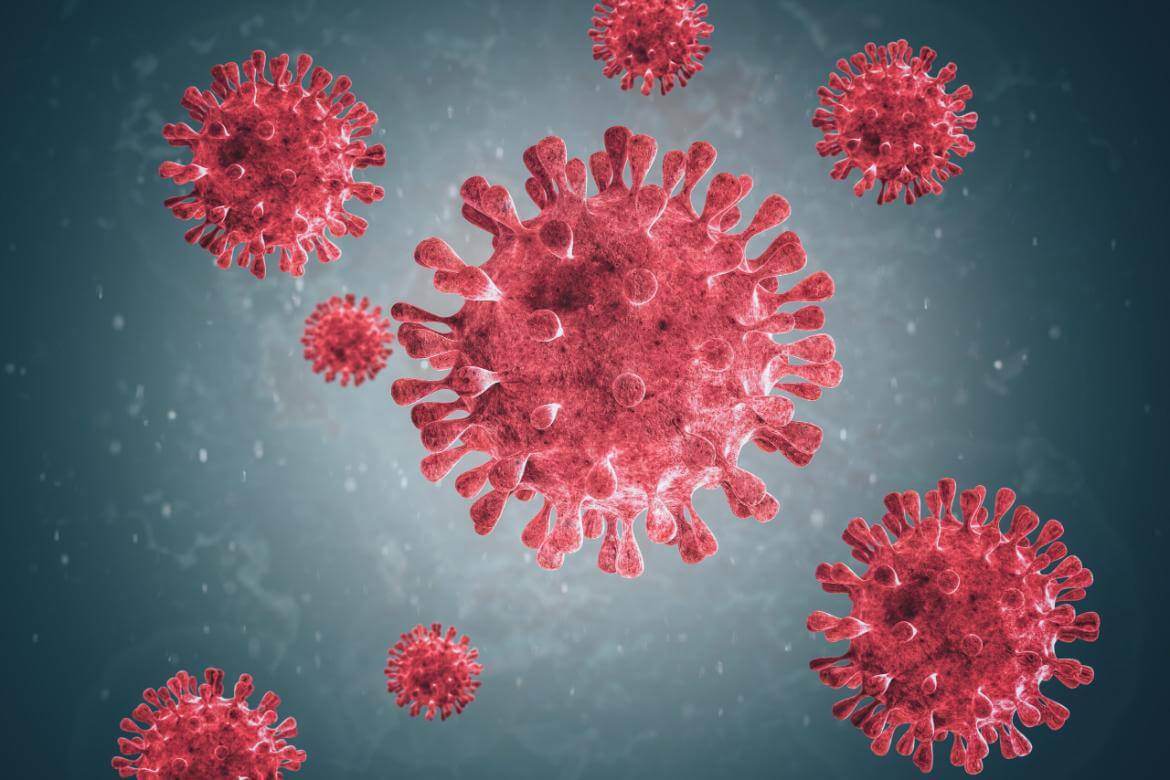
Rotavirus
Rotavirus is a topic of worldwide interest. By definition, it's important to note that this virus is highly contagious and causes intestinal infection. Therefore, it absolutely must be addressed. Considering today's emergencies, the rotavirus threat poses a general threat. With this in mind, Magnet Hospital has compiled all the necessary information for you.
While rotavirus is recognized globally, it is often among the primary causes of diarrhea in children and infants. This virus can be found anywhere and poses a risk of transmission to almost any child. After the COVID-19 pandemic, individuals are taking cautious steps regarding the virus. This is precisely why rotavirus deserves attention.
As mentioned above, rotavirus is most prevalent in children between the ages of 3 and 5. Considering that children are at the primary risk, significant steps must be taken. To ensure an objective flow of information, research on rotavirus has reported approximately 114 million cases of infection globally. Approximately 24 million of these cases are treated as outpatients. The remaining 2.3 million cases are treated as hospitalized patients.
When considering the negative aspects, it's important to note that, according to a study, more than 214,000 deaths occur annually in children under the age of 5 worldwide. This situation highlights the scale of the threat. It's also crucial to note that infection rates are generally similar worldwide. More than 90% of the infections resulting from this virus occur in low-income countries.
Rotavirus Symptoms
Rotavirus symptoms are considered extremely important. This is primarily due to the importance of analyzing symptoms to guide the appropriate course of action. Rotavirus is a type of virus with an incubation period. This is precisely why the incubation period lasts two or three days and manifests with vomiting and fever. Furthermore, profuse, watery diarrhea is another symptom of the disease.
It's safe to say that rotavirus is generally detected in stool. This condition often causes significant discomfort in babies, including abdominal cramps. Rotavirus symptoms can be listed as follows:
- Vomiting
- Rapid fluid loss due to diarrhea
- Unrest
- Excessive restlessness in babies with dehydration
- Detention collapses
- Less urination
- Decreased tear production
- Symptoms such as skin wrinkling are observed.
Based on the information above, it's important to note that the most significant symptoms of this virus include sunken fontanelles, rapid breathing, and fatigue. In such cases, professional support should be sought to take precautions.
The severity of rotavirus is determined by the amount of fluid lost from the body. For this very reason, the disease is diagnosed through stool tests. A diagnosis of rotavirus disease is made by considering all the factors involved.
Rotavirus Treatment
Treatment for rotavirus is as researched as the virus itself. Familiarity with treatment methods during any illness will significantly simplify the process. It's important to note that there is no specific cure for rotavirus. Furthermore , doctors do not recommend antidiarrheals when treating rotavirus . The primary goal of treating the virus is to replace lost fluids and stop vomiting. Antipyretics are used for high fevers.
So, which patients are treated and how? It's important to note that if body fluid loss is low in patients infected with the virus, they should be given oral sugary or salty liquids. However, for infants, rice and yogurt soups or bananas are recommended.
Fatty foods should not be given to any patient with rotavirus. This can have negative effects. However, we would like to point out that concentrated fruit juices can also be harmful. If a baby is infected with the virus and cannot receive solid food, the mother should continue breastfeeding. Antidiarrheal formulas can also be therapeutic for rotavirus.
How is Rotavirus Transmitted?
Like every virus, the transmission of rotavirus is a matter of considerable curiosity. It's important to note that the first symptoms of this disease appear in the stool of an infected person. Rotavirus is easily transmitted orally. If a person infected with rotavirus hasn't washed their hands, they risk contracting the disease from all contacted objects. Furthermore, rotavirus can be transmitted through kitchen utensils, remote controls, eyeglasses, and many other items. It's highly beneficial to continue disinfecting your surroundings.
Based on the information above, it's important to note that if infected items and surfaces in your living spaces aren't sterilized, the virus will survive for weeks. Furthermore, due to the different subtypes of the virus, infection is even possible through vaccination.
When we consider all the information, we see that every time a virus emerges, we need protection. In this case, the most effective way to protect ourselves is to wash our hands, face, and mouth frequently. We can say that these steps apply to every virus.
Washing your hands after using the toilet will be incredibly beneficial. Washing your hands should continue for 20 seconds. This protective method, which is suitable for both adults and children, offers numerous benefits.
The most important and effective way to protect yourself from rotavirus is to pay close attention to toilet hygiene. Because rotavirus is usually transmitted through feces, prioritizing toilet hygiene will be extremely beneficial. Therefore, shared toilets and common areas should be regularly disinfected.
Rotavirus Risk Factors
Rotavirus is a disease that can affect anyone. It's particularly common in adults, infants, and children. This disease, a frequent concern worldwide, poses a higher risk of infection for infants aged 0-3. As mentioned above, it's crucial to be very careful with your children.
When considering risk factors, it's particularly possible to contract this virus in daycare centers, childcare centers, or other public spaces. Because public spaces are among the areas where the virus spreads rapidly, you should analyze every detail and take careful steps.
Regardless, it's important to note that rotavirus isn't just a risk factor for children. While extra care should be taken with children, their parents and adults can also contract the disease.
Prioritizing hygiene and hygiene throughout your treatment will help prevent the virus from spreading. The most common concern with this virus is electrolyte and fluid loss. The degree of body fluid loss, known medically as dehydration, determines the treatment approach. During rotavirus infection, experiencing 10 to 30 episodes of diarrhea per day and frequent vomiting are serious symptoms.
You can access general information about rotavirus by calling our hospital.
