


Nerve Compression
What is Nerve Entrapment?
Nerve compression is a condition that occurs when a nerve is compressed by surrounding tissues such as bone, cartilage, muscle, or tendon. This compression negatively impacts nerve function, and symptoms such as pain, aching, tingling, and numbness can occur.
There are different types of nerve compression. The most common nerve compression syndromes are as follows:
- Carpal tunnel syndrome
- Meralgia paresthetica
Carpal tunnel syndrome is the most common nerve compression. It occurs when the median nerve becomes compressed around the wrist. The nerve extends from the upper arm down to the thumb.
The point of entry through the wrist is always through a structure called the carpal tunnel. Problems such as edema in the wrist create extra pressure on the nerve passing through the tunnel, and this can eventually lead to the development of carpal tunnel syndrome. Carpal tunnel syndrome is a common type of nerve compression .
Meralgia paresthetica
Meralgia paresthetica, a type of nerve compression , is seen in some patients. This type of compression can occur because the lateral femoral cutaneous nerve, a sensory nerve located in the thigh region, is subjected to pressure in the areas it passes through in the lower extremity. Pain and loss of sensation generally occur in the lateral, outer region of the thigh. Symptoms tend to occur unilaterally.
Nerve Compression Symptoms
Symptoms resulting from nerve compression vary depending on the location. The compression, which typically occurs in the neck, manifests as pain radiating down to the shoulder. In cases of cervical rediculopathy, many other symptoms can occur in addition to pain:
Symptoms;
- Burning pain in the neck, shoulders and arms
- Variations in head movements and pain intensity
- Tingling in the wrist and fingers
- Weakness in shoulder and arm muscles
- Loss of sensation in the hand, arm, and shoulder area
Many of the symptoms mentioned above can be observed in individuals experiencing nerve compression. Symptoms are particularly relieved when patients place their hands on their heads.
What Causes Nerve Compression?
There are many causes that arise from the pressure exerted by tissues on nerves in patients. These are;
- Herniated disc
- Disc herniation, which occurs when the outer layer of the jelly-like substance between the vertebrae on the spine ruptures, can compress the nerves and nerve roots.
- It may occur after trauma and injuries.
- Sitting and posture disorders
- Heavy sports activities
- Congenital anomalies
- Genetic factors.
- diabetes
- It can also cause thyroid irregularities and cyst and tumor formations.
Nerve Entrapment Diagnosis
Diagnosis can be made based on the patient's complaints, physical examination, electrophysiological examination and imaging methods.
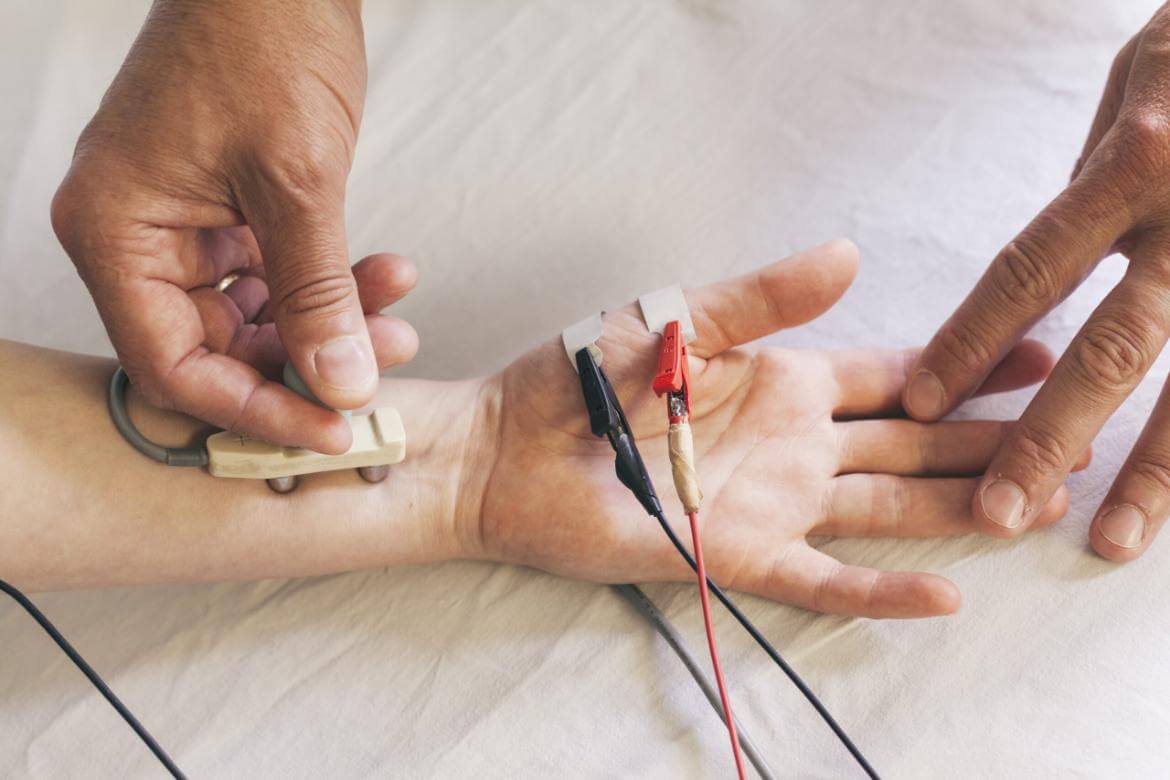
Electromyography (EMG) determines whether the nerve is functioning and then intervenes. If there is a problem with nerve conduction, the location and severity of the problem are determined. Electromyography, which involves applying electrical stimulation to the nerves, assesses whether the stimulus reaches the muscle and assesses the muscle's response to the stimulation.
During an EMG procedure, signals from muscles and nerves are transferred into digital data using a special device and electrodes. All data is interpreted by neurologists to assess any abnormalities.
Treatment of Nerve Compression
Treatment can be managed through a personalized plan tailored to the patient's condition and specific needs. Once the area of compression is identified, the area can be rested with a bandage or splint as the pain progresses.
Physical therapy and prescribed medications provide relief for the patient. If the compression continues to worsen, causing an inability to grasp objects or loss of sensation, surgical treatment is essential. Depending on the severity of the nerve compression, a clear decision on whether surgery is necessary will be made before movement can be achieved. In general, physical therapy and medications are effective in most cases of nerve compression.
Nerve Entrapment Surgery
The surgery is called anterior transposition. Nerve compression surgery is often performed in conjunction with release surgery. Initially, the nerve is removed from the tunnel and relocated anteriorly to the medial epicondyle. This anterior relocation reduces nerve tension. In patients, the nerve can be transferred onto, into, or beneath the muscles beneath the skin and fat. The internal bony prominence of the cubital tunnel is removed through a bone cut. After this, the tunnel is removed, and the nerve is displaced anteriorly.
After Surgery
Surgery is generally successful and allows for a rapid return to daily activities. Academic studies within the system have generally found similar results across all surgical methods. Surgical success rates are lower in patients with neglect, delayed surgery, or severe muscle atrophy. Early diagnosis and treatment are the most important factors determining surgical success. Postoperative return to normal life is closely related to patient adherence to recommendations.
The results of nerve compression surgery are generally positive for the patient. Each surgical method generally has a similar success rate for nerve compression cases. If the nerve is severely compressed or the patient has muscle loss, the nerve may not return to normal, and some symptoms may persist after surgery. Nerves generally heal slowly, and the exact timeframe is difficult to predict. Therefore, it is crucial to initiate treatment promptly and not delay it.
Frequently Asked Questions
How Do We Know If We Have Nerve Compression?
If patients experience tingling, loss of sensation, pain, muscle weakness, difficulty moving the hands and feet, or a pins-and-needles sensation, nerve compression may be present. If such symptoms occur, a healthcare provider should be consulted immediately. Treatment in such cases is often quite successful.
Will It Go Away On Its Own?
Nerve compressions are conditions characterized by pain and numbness, making them challenging for patients to perform. Because nerve compressions don't heal on their own, patients should consult a doctor immediately if they experience symptoms of nerve compression, keeping the affected area as still as possible.
Which Doctor to Visit?
Examination and treatment by neurosurgeons are usually sufficient to detect and control nerve compression conditions.
