


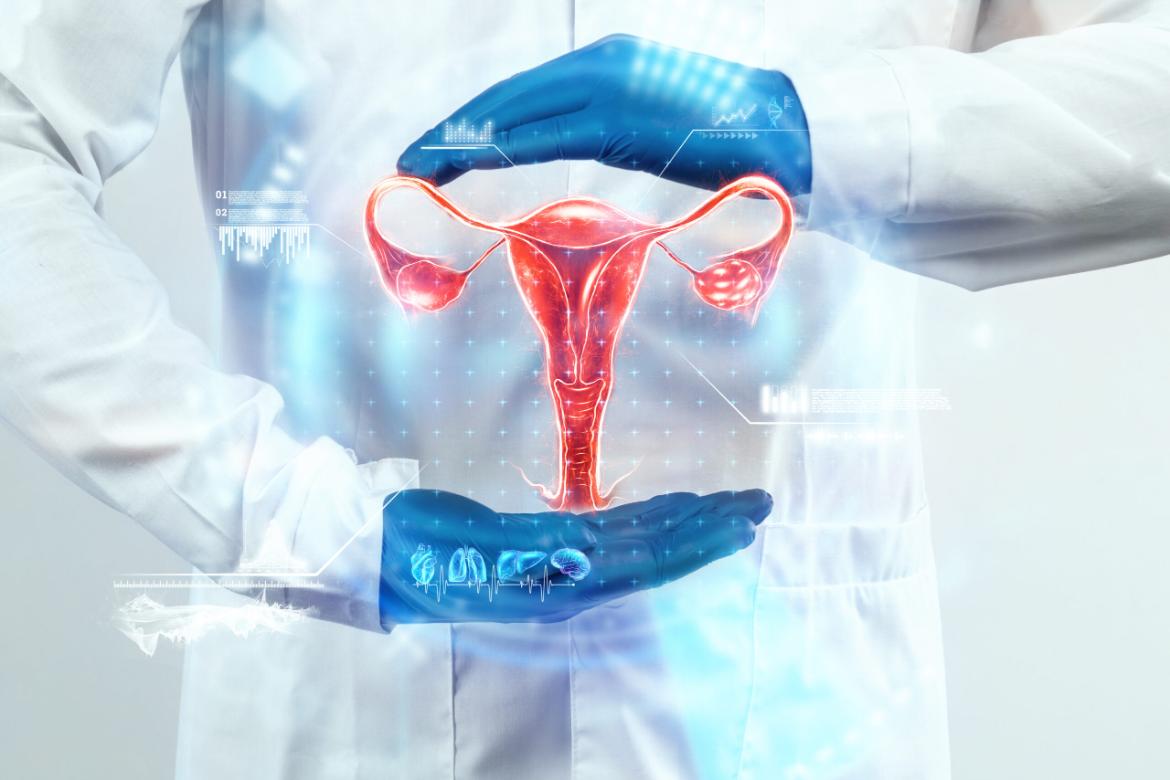
Cervical Cancer – Cervical Cancer
Cervical cancer is a type of cancer that occurs in the cervix . The cervix is the narrow passage between the uterus and the vagina. Cervical cancer is usually caused by infection with the human papillomavirus ( HPV ) . HPV infection is a sexually transmitted viral infection, and some types increase the risk of cervical cancer. Cervical cancer is one of the most common types of cancer in women. Cervical cancer is generally a slow-growing cancer. It may not show symptoms in the early stages, making regular screenings crucial. When detected in the early stages, it is a treatable cancer.
What Causes Cervical Cancer?
Cervical cancer is a type of cancer that occurs when cells in the cervix grow and multiply abnormally. Causes of this abnormal cell growth can include infection with the human papillomavirus ( HPV ), smoking, a weakened immune system, age at sexual activity, birth control pills, and family history.
HPV infection is one of the most common causes of cervical cancer. HPV is a sexually transmitted virus that can be transmitted through sexual contact. HPV infection resolves on its own in most women, but in some women, the infection can persist and increase the risk of cervical cancer. Most cervical cancers caused by HPV infection are caused by high-risk HPV types.
Smoking can also increase the risk of cervical cancer. Smoking can weaken the body's immune system and damage cells' DNA, making it easier for cancer to develop.
A weakened immune system can increase the risk of cervical cancer. HPV infection can become more serious, increasing the risk of cervical cancer, especially in women whose immune systems are suppressed due to factors such as HIV, cancer treatment, or long-term corticosteroid use.
Age at sexual activity , birth control pills, and family history can also be considered cervical cancer risk factors. However, regular gynecological exams and HPV vaccination are important for any woman at risk of developing cervical cancer. Early diagnosis can help make cervical cancer treatment more successful.
Cervical Cancer Symptoms
Cervical cancer is usually asymptomatic in its early stages and is often detected during routine gynecological examinations. However, as the cancer progresses, certain symptoms may appear. These symptoms include:
- Vaginal bleeding: Bleeding outside of your menstrual cycle, during intercourse, or after menopause.
- Vaginal discharge: Foul-smelling, bloody, or cloying discharge.
- Pelvic pain: Constant or intermittent pain in the lower abdomen.
- Trouble urinating : Pain while urinating, difficulty urinating, or increased frequency of urination.
- Weight loss : Sudden and unexplained weight loss.
- Difficulty standing : As the cancer progresses, you may experience weakness in your legs or groin, or difficulty standing.
These symptoms may not always be related to cervical cancer, but any woman experiencing these symptoms should consult her doctor. If cancer is detected in its early stages, treatment options can be more effective and the chance of recovery higher. Therefore, early diagnosis should be ensured through regular gynecological exams and Pap smears.
What are the Types of Cervical Cancer?
Cervical cancer can be of different types, depending on the type of cells and where the cancer begins. The main types of cervical cancer are:
- Squamous cell carcinoma: This type of cervical cancer is the most common and originates from the flat cells in the cervix. Squamous cell carcinoma is often associated with HPV infection and results from abnormalities that often occur in the cervix.
- Adenocarcinoma: This type of cervical cancer originates in the glandular cells of the cervix. Although adenocarcinomas are less common, they can be more aggressive and more difficult to treat than squamous cell carcinomas.
- Adenosquamous carcinoma: This type of cervical cancer is a combination of adenocarcinoma and squamous cell carcinoma. Adenosquamous carcinomas are rare.
- Small cell carcinoma: This type of cervical cancer originates from small cells. Although less common, small cell carcinomas are more dangerous because they are more aggressive and can spread more quickly than other types.
- Non-squamous cell carcinoma cervical cancers: These types of cervical cancers, while less common, can include rare types of cancer such as melanoma and sarcoma.
These different types of cervical cancer differ in the treatment and prognosis of the cancer.
What are the risk factors for cervical cancer?
- Human papillomavirus (HPV) infection : HPV is the most significant risk factor for cervical cancer. This virus is transmitted through sexual contact and, once in the body, can cause abnormal growth of cells in the cervix.
- Smoking: Smoking increases the risk of cervical cancer. Women who smoke are at higher risk than nonsmokers.
- Having sex too early: Having sex too early increases the risk of cervical cancer. This is associated with HPV infection.
- Multiple sexual partners: Women who have multiple sexual partners have a higher risk of cervical cancer because they are at higher risk of HPV infection.
- Weak immune system: Women with weak immune systems have a higher risk of cervical cancer because they are unable to fight off HPV infection.
- Family history: Women with a family history of cervical cancer are at higher risk than other women.
- Dietary habits: Dietary habits can affect the risk of cervical cancer. While poor nutrition can increase the risk of cancer, a healthy diet can reduce it.
- Birth control pills: Birth control pills can increase the risk of cervical cancer when used for a long time.
Some of these factors can be controlled, while others cannot. However, precautions can be taken to protect yourself from cervical cancer, such as getting the HPV vaccine, avoiding smoking, reducing the number of sexual intercourses, following a healthy diet, and getting regular gynecological exams.
How is cervical cancer diagnosed?
In order to diagnose cervical cancer, they need to undergo several procedures and tests. These are:
- Physical exam: Your doctor will examine the tissues in and around your mouth. This exam helps determine the presence or absence of cancerous tissue.
- Biopsy : If cancer is suspected during the exam, the doctor will take a small sample and examine it for laboratory analysis. A biopsy helps definitively diagnose the presence of cancer.
- Imaging tests: The doctor may order imaging tests (for example, X-rays, MRI, CT scan, PET scan) to determine the size and spread of the cancer.
- Lymph node exam: Oral cancer can spread to the lymph nodes, so your doctor may examine them to check their size and firmness.
After these steps are completed, the doctor determines the cancer's stage. Cancer stage is a scale that determines the cancer's size, extent, and extent of spread. This stage is an important factor in treatment planning.
How is Cervical Cancer Treated?
Surgical treatment: Surgical treatment is a procedure performed to remove cancerous tissue. This procedure can vary depending on the size and extent of the cancer. A procedure called conization may be used to remove small cancers. Large cancers may require removal of the uterus, tumor, and nearby tissue.
- Radiation therapy: Radiation therapy is a treatment that uses high-energy radiation to kill cancer cells. The treatment can be administered externally or intravaginally using a device, depending on the size and extent of the cancer.
- Chemotherapy: Chemotherapy is the use of drugs to stop the growth of or kill cancer cells. Chemotherapy may be used along with radiation therapy or after surgery.
- Targeted therapy: Targeted therapy uses drugs to target specific proteins or molecules in cancer cells. This treatment may be used in conjunction with chemotherapy or radiation therapy.
At What Age Does Cervical Cancer Begin?
Cervical cancer usually begins in women in their 30s and 40s, but it can also occur in younger or older women.
Where Does Uterine Cancer Pain Hit?
Uterine cancer pain is typically felt in the pelvic area, or lower abdomen. The pain can be caused by the involvement of the uterus and surrounding tissues in the lower abdomen.
At What Stage Does Uterine Cancer Show Symptoms?
Uterine cancer may not show any symptoms in the early stages, but in the later stages, symptoms such as vaginal bleeding, pain, vaginal discharge, pain or bleeding during sexual intercourse, and pain while urinating may occur.
