


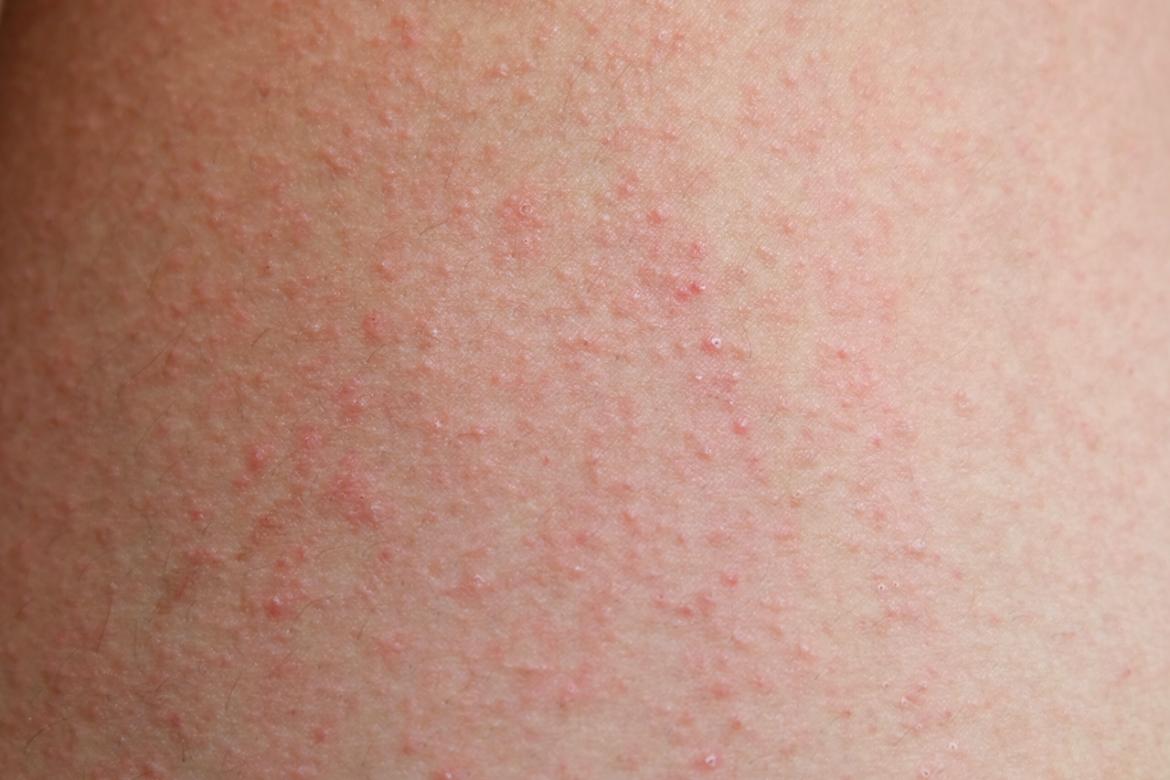
Rash
Heat rash is a skin condition characterized by red, itchy blisters covering the skin. These blisters can vary in size and shape and can sometimes cause discoloration of the skin where they appear. Heat rash is a condition characterized by itchy, red patches that most people experience at least once in their lives. Heat rash can occur on any skin type at any age, but is most common in infants and children.
Heat rash occurs when blood vessels in the upper layer of the skin collapse or dilate. This can be caused by an allergic reaction, an infection, or another medical condition. In many people, it can also occur without any known cause.
Heat rash can cause the skin to become itchy and sensitive, which can be uncomfortable. Because the blisters are often itchy, a person may rub or scratch the skin to relieve the itching, but this can make the blisters worse.
Heat rashes are usually temporary and disappear within a few days or weeks. However, in some cases, blisters can persist for weeks or months. If a person experiences frequent heat rashes, it's recommended to consult a doctor to determine the cause.
What are the symptoms of heat rash?
Symptoms of heat rash in individuals include redness, itching, and the appearance of red spots. Heat rash typically appears as small blisters and can worsen in hot weather. Alternative treatments such as avoiding sweating and using clothing, air conditioning, or a fan can reduce the risk of heat rash. However, once heat rash develops, it can persist untreated and leave permanent spots or scars on the skin. The most common heat rash symptoms include:
- Stinging sensation
- Mild pain or burning sensation
- Formation of swelling in the area where the heat rash occurs
- Redness on the skin with small pimples
- Visible fluid discharge and severe itching in the swollen area
- Severe pain, fever, nausea
Causes of Heat Rash
There are many causes of heat rash. The most common causes are as follows:
- Allergies : People with allergies to foods, medications, or other substances may develop rashes.
- Medications: Many medications have a known side effect of causing skin rashes.
- Infections: Bacterial or viral infections can cause heat rash.
- Temperature: Extremely hot or cold weather can cause the skin to become covered in blisters.
- Stress: Stress can cause heat rash, just as it can cause many skin conditions.
- Genetic factors: Some people, especially those with a family history of heat rash, tend to experience heat rash more than others.
How to prevent heat rash?
There are certain precautions you can take to prevent heat rash. Wearing loose-fitting clothing to reduce friction is an effective way to prevent irritation. To prevent irritation, especially in the groin area, choose soft, cotton underwear that isn't too tight. For babies, stopping diaper use for a few hours a day can reduce the likelihood of developing heat rash in the groin area. Avoiding wearing synthetic fabrics that trap heat can also be beneficial. Drinking enough fluids and avoiding intense physical activity during hot weather can also largely prevent heat rash.
What are the types of heat rash?
- Clear heat rash (Miliaria crystallina): Above the Form Clear heat rash is common in infants. It appears as clear welts without any redness. Clear heat rash usually occurs as a result of fever or sunburn.
- Red rash (Miliaria rubra): Red rash, the most common symptom among people with heat rash, is most common in children and infants. This type of rash causes burning, stinging, and sometimes itching.
- Deep prickly heat (Miliaria profunda): This is a very rare type of heat rash. It usually occurs in adults who sweat during physical activity.
- Purulent heat rash (Miliaria pustulosa): Red heat rash deepens on the skin surface and appears as a blister on the skin surface due to pus filling and is accompanied by an inflammatory bacterial infection.
