


Heart attack
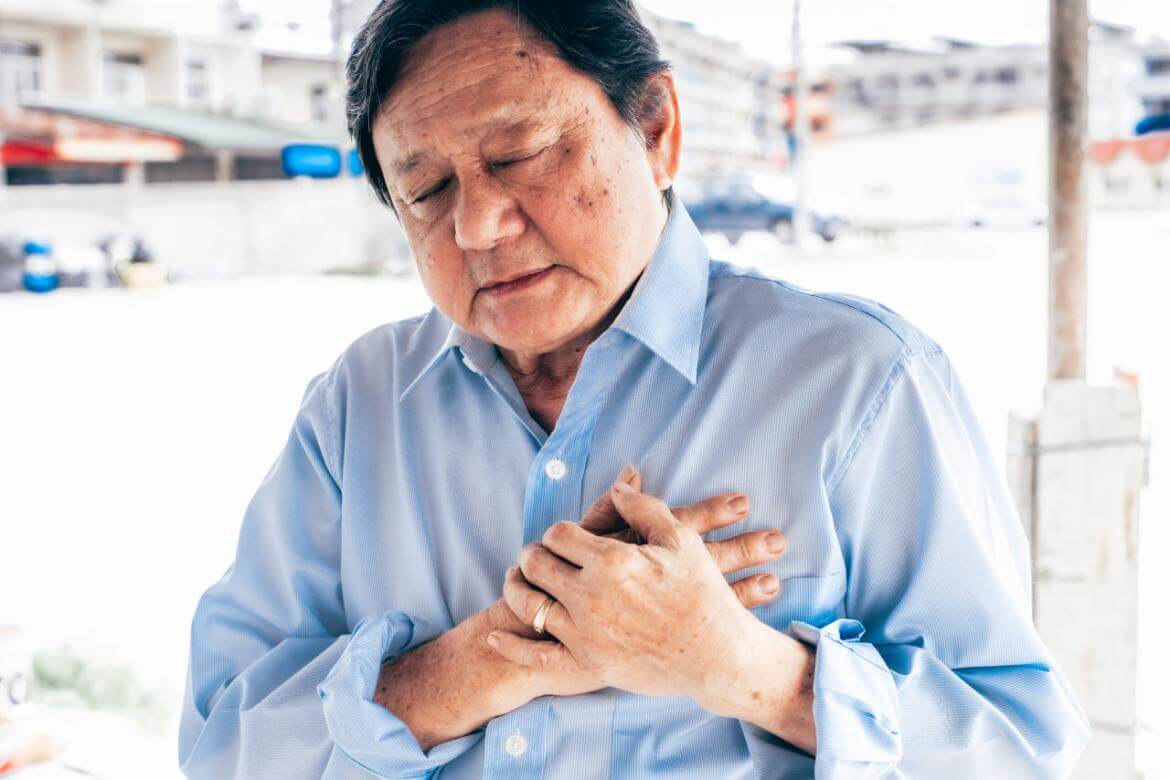
A heart attack is a dangerous condition that causes severe chest pain and can occur suddenly. This condition can sometimes lead to serious consequences. Heart attacks claim the lives of 200,000 people in Turkey each year. A heart attack is commonly referred to as a "myocardial infarction." Every second that the heart tissue loses its blood supply increases the risk of developing permanent damage. Chest pain and chest discomfort are among the most common symptoms. A person experiencing a heart attack may experience pain in the center or left side of the chest that lasts longer than a few minutes or recurs intermittently, feeling like uncomfortable pressure, squeezing, or fullness. While it can occur at any age, its incidence increases with age. Men over 45 and women over 55 are at greater risk for heart attacks than younger individuals.
What are the symptoms of a heart attack ?
- Chest pain or discomfort: This is the most common symptom. It can feel like tightness, pressure, pain, or burning in the chest area. This pain often lasts a long time or doesn't go away with rest.
- Pain in the Upper Body: Chest pain, as well as radiating pain or discomfort in the neck, shoulders, back, or arms.
- Shortness of Breath: A feeling of shortness of breath that is not associated with sudden or excessive activity.
- Sweating: Cold sweats or excessive sweating, especially in combination with other symptoms.
- Dizziness or Fainting: May be due to disturbances in blood flow.
- Nausea or vomiting: This can be a common symptom, especially in women.
- Fatigue: A sudden feeling of extreme tiredness.
- Feelings of anxiety or fear: Some people may experience these feelings before or during a heart attack.
Symptoms can vary from person to person, and some people may experience symptoms mildly or in varying degrees. However, chest pain is generally the most noticeable and common symptom. If you experience these symptoms, it's important to seek immediate medical attention or emergency medical attention, as early intervention can significantly improve the outcome of a heart attack.
What Causes a Heart Attack ?
A heart attack usually occurs when the heart muscle is damaged due to blockage or narrowing of the coronary arteries, preventing the heart from receiving enough oxygen. Coronary arteries are the blood vessels that carry the blood needed for the heart's function. The main factors that cause a heart attack are:
- Atherosclerosis: Plaques, a buildup of fat and other substances on the inner lining of the coronary arteries, can narrow or block the arteries. This can prevent the heart muscle from getting enough blood, leading to a heart attack.
- Thrombosis (clot formation): Atherosclerotic plaques can rupture, and clots (thrombi) can form on them. These clots can completely or partially block the artery, causing a heart attack.
- Spasm: A sudden and temporary contraction (spasm) of the coronary arteries can occur, causing temporary narrowing or blockage of the artery. This can lead to a heart attack.
- Extreme fatigue or stress: Excessive physical activity or emotional stress can trigger a heart attack, especially in people with existing coronary artery disease.
- Risk Factors: Factors that increase risk include high blood pressure, high cholesterol, diabetes, obesity, smoking, a sedentary lifestyle, genetic predisposition, and age. These factors can negatively impact heart health and increase risk.
It typically occurs when the heart isn't getting enough blood and oxygen and requires immediate medical attention. Therefore, it's important to manage risk factors and adopt a healthy lifestyle to prevent a heart attack.
How can we protect ourselves from heart attacks ?
Lifestyle changes are the most effective ways to protect your heart health.
- Healthy Diet: A low-fat, balanced diet is important. Avoiding sugary and fatty foods and opting for high-fiber foods, fruits, vegetables, and whole grains helps protect your heart.
- Regular Exercise: Doing at least 150 minutes of moderate-intensity exercise or 75 minutes of high-intensity exercise per week has a positive effect on cardiovascular health.
- Smoking and Alcohol Use: Smoking increases the risk, so smoking should be avoided. Alcohol consumption should be moderate.
- Stress Management: Avoiding stress or learning ways to cope with it (e.g., yoga, meditation, hobbies) can positively impact heart health.
- Weight Management: Excess weight can increase your risk. Maintaining a healthy weight is important for maintaining heart health.
- Regular Checkups: It's important to have risk factors like high blood pressure and cholesterol levels checked regularly. If necessary, medication should be taken with a doctor's recommendation.
- Healthy Lifestyle: Adopting a healthy lifestyle, maintaining a regular sleep pattern and undergoing regular health checks are effective steps to protect heart health.
Heart Attack Treatment Methods
A heart attack is an emergency, and when symptoms appear, it's essential to seek medical attention. After receiving the necessary emergency treatment and blood-thinning medications, the patient is referred to a cardiologist. The cardiologist may perform an angiogram to examine the patient's blood vessels if deemed necessary. Based on the angiogram results, the cardiologist and cardiovascular surgeon determine whether medical treatment or surgery is necessary. These treatment methods can be summarized as follows:
Thrombolytic Therapy (Clot-Dissolving Drugs): This is a treatment method in which a vascular access is opened to the patient and clot-dissolving drugs are administered through this vein to dissolve the clot that has formed in the vein.
Although drug treatment is effective within the first 6 hours after a heart attack, it should be applied as soon as the diagnosis of the attack is confirmed.
Percutaneous Coronary Intervention (Coronary Angiography and Angioplasti ): While this procedure is not surgical, it is used to open blocked or narrowed arteries. In this procedure, a thin, plastic tube with a balloon tip is advanced through an artery in the arm or groin. When the narrowing level is reached, the balloon is inflated, sealing the plaque and clot against the artery wall, thus opening the blocked arteries. This allows blood flow through the artery.
What are the symptoms of a false heart attack?
What are known as pseudo-heart attacks are symptoms that can mimic a real heart attack. These symptoms often include:
- Panic-like symptoms: Symptoms such as chest pain, shortness of breath, sweating, and heart palpitations that occur due to a panic attack or severe anxiety.
- Acidity and Reflux Symptoms: When stomach acid builds up, you may experience chest pain and discomfort. This can mimic a heart attack.
- Muscle Strain: Chest pain resulting from strenuous physical activity or excessive muscle tension can sometimes suggest a heart-related condition.
- Digestive Problems: Some digestive problems (for example, gallstones) can cause chest pain and discomfort, which can mimic a heart attack.
- Respiratory Problems: Asthma, lung infections, or other respiratory conditions can cause shortness of breath and chest pain.
Because these symptoms can mimic a serious heart condition, it's essential to consult a healthcare professional, especially if you experience chest pain, shortness of breath, or severe discomfort. True heart attack symptoms can require immediate attention, so they should be taken seriously and a professional evaluation should be sought.
