


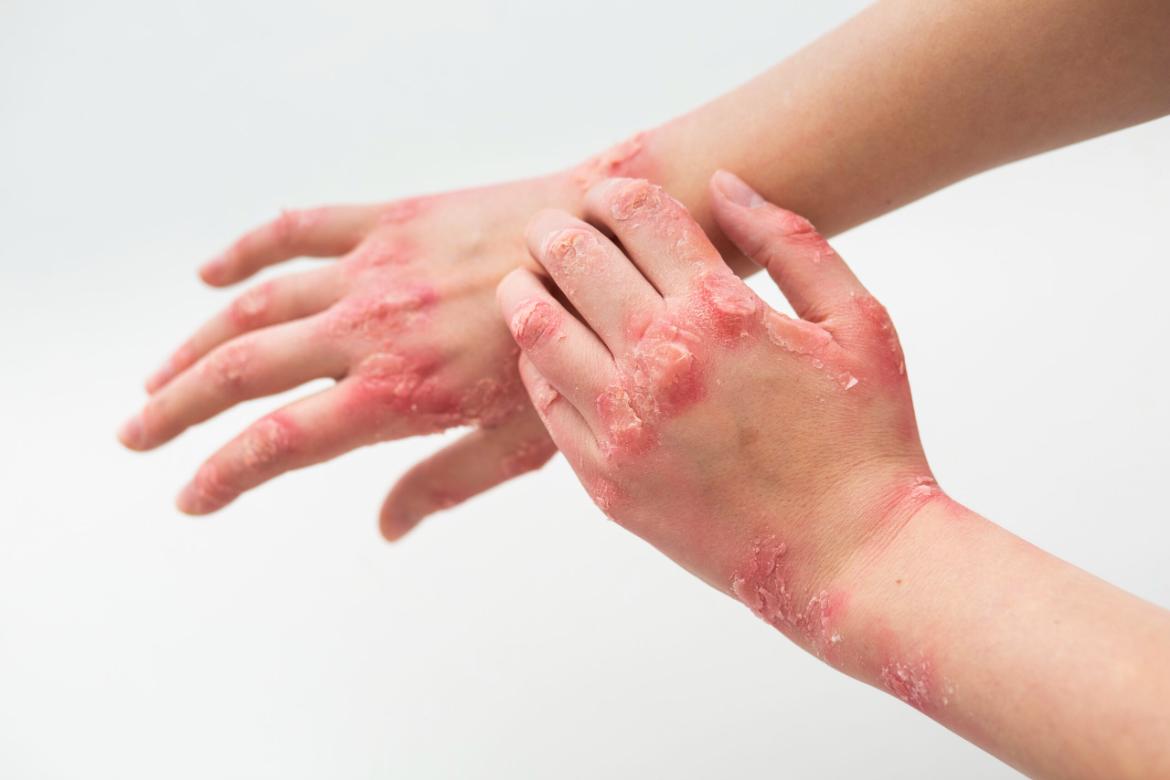
Psoriasis
Psoriasis , also known as psoriasis , can occur in people of all ages and is an autoimmune skin disorder that causes skin cells to multiply several times faster than normal. This disease is generally chronic and incurable, affecting approximately 1-3% of the population worldwide. While it often begins in the thirties, it can occur at any age, from birth onward. Psoriasis is considered a significant age for someone aged 50-60. Thirty percent of people with psoriasis typically have a family history. It manifests itself with flare-ups, which occur in 1-3 out of every 100 people. The resulting psoriasis can cover a large area of the body.
What are the causes of psoriasis?
The causes of psoriasis have not been definitively established. This is generally believed to be due to factors related to a person's genetics and immune system, which may play a role in the development of the disease. Psoriasis is particularly prevalent during winter and on cold days. Being in warm, sunny, and humid environments can reduce the likelihood of developing the disease.
In people with psoriasis, even the slightest scratch or mosquito bite can trigger a new flare. Certain environmental and genetic factors are thought to be triggers. The most common of these triggers are:
- Cold and dry climate conditions
- People with throat or skin infections
- Skin traumas
- Stress
- The person's excessive alcohol consumption
- Smoking or secondhand smoke exposure
- After the use of some drugs used to treat blood pressure or malaria
What are the symptoms and types of psoriasis?
Psoriasis is chronic, and the disease has different types. The most common type of psoriasis, plaque psoriasis, is characterized by the appearance of plaques in the form of red patches covered with silvery scales. These plaques can be itchy and painful. They can sometimes crack and bleed. In more severe cases, plaques can grow to cover large areas of skin and coalesce. Fingernails and toenails may also develop discoloration and pitting. Nails may also split or separate from the nail bed. Flaking or crusting may also occur on the scalp.
Another type of psoriasis is pustular psoriasis, which usually occurs in adults and can occur in many areas of the body, including isolated areas such as the palms of the hands and feet, causing a red and scaly skin appearance with small pustules, which are blisters filled with non-inflammatory white or yellow fluid.
Another type of psoriasis is guttate psoriasis , also known as droplet-like psoriasis, which typically begins in childhood or young adulthood and manifests as small, red, circular lesions on the skin. This type of rash is most common on the trunk and extremities, but can also appear on the face and scalp. Triggers for guttate psoriasis include respiratory infections, strep throat, tonsillitis, stress, skin injuries, and the use of antimalarial or beta-blocker medications.
Inverse psoriasis , also known as inverse psoriasis , is another type of psoriasis that appears as bright red lesions that appear in folds of the skin, such as the breast, armpit, groin, behind the ears, and under the breast .
Erythrodermic psoriasis is a rare subtype of psoriasis that produces burn-like lesions. Erythrodermic psoriasis has a severe skin appearance similar to that of a sunburn.
How is psoriasis diagnosed?
The diagnosis is often made based on the appearance of skin lesions. A family history of psoriasis is helpful in making the diagnosis. A skin biopsy is performed in suspected cases. In some cases, obesity, hypertension, and hyperlipidemia may accompany the condition.
Later, when psoriasis is active, it can be easily diagnosed during a physical examination. During the physical examination, the body is examined, particularly the scalp, ears, elbows, knees, belly button, and nails. In addition to the physical examination, the doctor may request a biopsy. During the biopsy , a sample of skin is taken from the patient and sent to a laboratory to be tested for skin infection.
Apart from all this, there is no other test used to diagnose psoriasis.
What are the treatment methods for psoriasis?
The patient's personal preferences are also taken into account when treating psoriasis. Because the treatment is chronic, patient compliance with it is crucial. Treatments for psoriasis include steroid creams, moisturizers for dry skin , coal tar , which is found in lotions, creams, foams, shampoos, and bath solutions and is a common treatment for scalp psoriasis , prescription creams or ointments containing vitamin D , and retinoid creams .
Different treatment methods are used for more severe cases of psoriasis. These treatments include exposing the skin to ultraviolet light to slow the growth of skin cells. This light therapy, called phototherapy , uses a combination of ultraviolet light and a medication called psoralen.
Methotrexate is another treatment option for psoriasis, and is used only in severe cases because it can cause bone marrow, liver, and lung problems . While using these medications, the individual is closely monitored by a doctor, and laboratory tests, chest X-rays, and a liver biopsy may be necessary.
Pills, creams, foams, lotions, and gels containing retinoids are a class of medications related to vitamin A. Retinoids can cause serious side effects, including birth defects, so they are not recommended for women who are pregnant or planning to have children.
There are also various biologic treatments available that work by blocking the body's immune system (which is overactive in psoriasis) to better control inflammation caused by psoriasis.
