



Fracture Rehabilitation
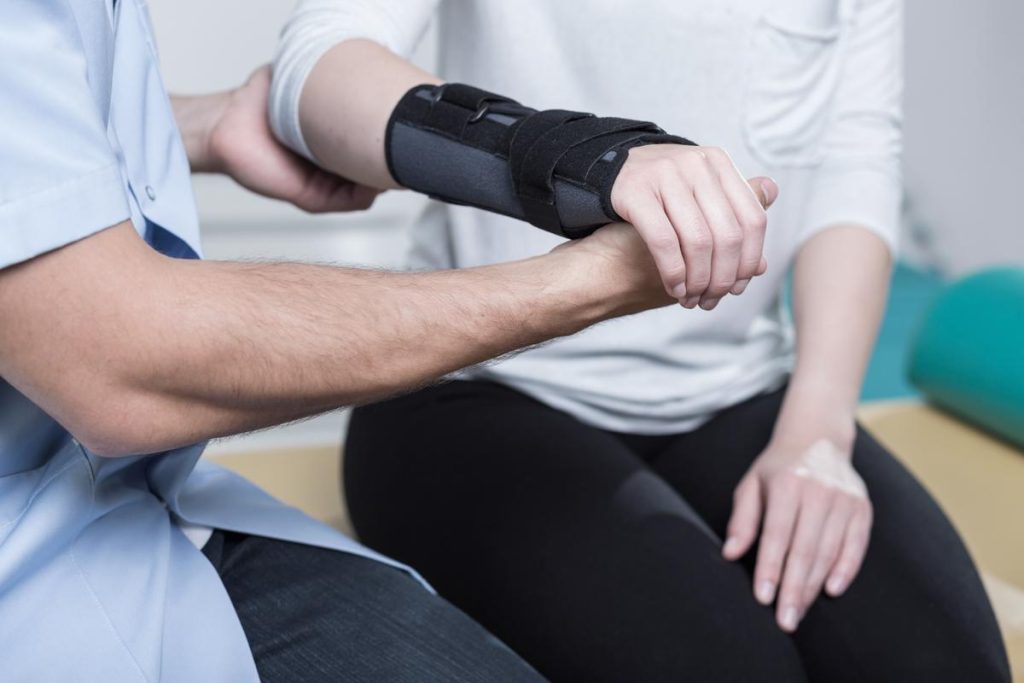
- Immobilization: Immobilization is often used to align and heal broken bones. This is accomplished through the use of materials such as a cast, splint, splint, or orthosis. Immobilization stabilizes the location and severity of the fracture, promoting bone union and healing.
- Physical therapy: Physical therapy is used in fracture rehabilitation to restore mobility, increase muscle strength and flexibility, promote tissue healing, and reduce swelling at the fracture site. Physical therapy programs are designed by qualified physical therapists based on individual needs and may include exercises, manual therapy, electrotherapy, and other modalities.
- Pain management: Fractures often cause pain. Pain management involves a variety of methods used to alleviate pain and provide relief. These may include medication, cold therapy, heat therapy, transcutaneous electrical nerve stimulation (TENS), and other pain management techniques.
- Movement training: During fracture rehabilitation, the patient learns to move correctly and safely. Movement training may include walking, balance, changing positions, and performing daily activities.
- Treatment for specific situations : Some fractures may require further intervention or surgery. In these cases, the rehabilitation process may vary depending on the type of fracture, the treatment method, and post-surgical recovery. For example, for a fracture with implants, a physical therapy program is designed to support the healing of the implants.
- Psychological support: During fracture rehabilitation, a person can receive psychological support in addition to physical recovery. A fracture can impact quality of life and cause emotional difficulties such as anxiety, depression, or stress in some individuals. Working with a psychologist or counselor can help the patient cope with these challenges.
Fracture rehabilitation is a process tailored to individual needs. A comprehensive rehabilitation program guided by a qualified healthcare team is essential to accelerate fracture healing, restore functional independence, and facilitate a return to daily life.
What is a fracture?
A fracture is a complete or partial break in a bone or other anatomical structure. Fractures typically occur due to trauma, falls, sports injuries, or osteoporosis. Despite their durable structure, bones can sometimes fracture under extreme force or stress.
Fractures typically present with symptoms such as pain, swelling, bruising, limited movement, and deformity. Fractures can be classified as open (where the skin splits outward and the bone protrudes) or closed (where the skin remains intact and the bone breaks internally). Fractures can also be complex (where the bone fragments move away from each other) or simple (where the bone fragments are still aligned).
What are the benefits of fracture rehabilitation?
Fracture rehabilitation is the treatment and therapy provided after a fracture. Various benefits of fracture rehabilitation include:
- Increases healing speed: Fracture rehabilitation accelerates the proper union and healing of bones. With appropriate treatment and physical therapy, the fracture healing process progresses more efficiently.
- Restores mobility: Fracture rehabilitation helps restore mobility to the muscles and joints at the fracture site. Physical therapy exercises and range of motion training help restore mobility after a fracture.
- Increases muscle strength and flexibility: Fracture rehabilitation involves exercises aimed at strengthening and increasing the flexibility of the muscles in the fracture area. This prevents muscle weakening or stiffening after the fracture and restores normal muscle function.
- Pain reduction: Fractures often cause pain. Various methods are used to reduce pain during fracture rehabilitation. These include medication, cold and heat applications, and pain management techniques.
- Restores Functionality: Fracture rehabilitation minimizes post-fracture functional loss and promotes the return to normal daily activities. As the muscles, joints, and tissues at the fracture site heal, the patient's return to a normal life becomes easier.
- Providing psychological support : During fracture rehabilitation, the individual is provided with psychological support. A fracture can cause emotional difficulties such as stress, anxiety, or depression in some individuals. Psychological support facilitates coping with these challenges and enhances motivation and psychological well-being.
What happens if physical therapy is not performed on fractures?
If fractures are left without physical therapy or rehabilitation programs, several negative consequences can occur:
- Limited motion and stiffness: Prolonged immobilization or inactivity after a fracture can cause joint stiffness and limited motion. Muscles can weaken and lose flexibility. This can make it difficult to regain normal range of motion and interfere with daily activities.
- Loss of muscle strength: The muscles in the area of the fracture lose strength as they remain immobile. Muscle atrophy (shrinkage) and weakness can occur. This can reduce the support of the muscles around the fracture site and affect functional independence.
- Delayed healing: Physical therapy and rehabilitation can help speed up the proper healing of a fracture. However, if left untreated, the bones may take longer to heal and heal. Furthermore, tissue healing at the fracture site may be slowed.
- Inadequate healing: Without proper rehabilitation after a fracture, bones can fuse incorrectly or become misaligned. This can lead to deformities, curvatures, or dysfunction at the fracture site. Inadequate healing can lead to long-term problems and complications.
- Risk of re-fracture: If the fracture doesn't heal completely or if it's not strengthened properly, the risk of re-fracture increases. When the fracture site is weak, even repetitive trauma or normal activity can cause the fracture to reoccur.
- Functional losses: Without proper fracture rehabilitation, functional losses can occur due to inadequate strengthening of the muscles and tissues surrounding the fracture site or loss of flexibility. This can lead to problems such as limitations in activities of daily living and decreased work or sports performance.
For these reasons, physical therapy and rehabilitation play a crucial role in fracture treatment. With appropriate and timely treatment, a rehabilitation program supports the healing process and restores functionality.
How many sessions does physical therapy take to be effective on a fracture?
The duration and number of sessions of fracture rehabilitation may vary depending on the type, location, severity of the fracture, and individual factors. The effectiveness of physical therapy may vary depending on the type of fracture, the timing of treatment initiation, and the patient's compliance with rehabilitation. A personalized treatment plan is implemented for each patient, and the number and duration of sessions are determined by the physical therapist after evaluation.
Fracture rehabilitation typically involves weekly sessions. Initially, more frequent sessions may be necessary, depending on the type and severity of the fracture. Later, as treatment progresses, the number of sessions may decrease. However, fracture rehabilitation typically continues for weeks or months.
Physical therapy sessions include activities such as assessing the fracture site, measuring range of motion and muscle strength, implementing appropriate exercises, and updating the treatment plan as needed. Throughout treatment, the patient's progress and rate of recovery are monitored, and the rehabilitation program is adjusted accordingly.
An important point to remember is that fracture rehabilitation can vary for each individual. Each fracture has different characteristics and healing rates for each patient. Therefore, the duration and number of sessions in fracture rehabilitation are evaluated individually and tailored to the patient's specific situation.
Basic practices in fracture rehabilitation
- Assessment and evaluation: Fracture rehabilitation begins with a detailed assessment by a physical therapist or other qualified healthcare professional. This assessment helps determine the type of fracture, its location, severity, and individual needs. It also assesses the patient's current range of motion, muscle strength, and level of functionality.
- Immobilization Management: Fracture rehabilitation involves immobilization management, as needed, to ensure proper healing of the fracture. This is accomplished through the use of materials such as a cast, splint, splint, or orthosis. The duration and type of immobilization are determined by the characteristics of the fracture.
- Mobility training: It is important to regain mobility after a fracture.Physical therapists provide appropriate movement training to patients. This may include gradually increasing range of motion, balance and coordination exercises, muscle strengthening exercises, and posture training. Movement training aims to strengthen muscles, increase flexibility, and restore normal range of motion.
- Muscle-strengthening and flexibility exercises: Fracture rehabilitation aims to strengthen muscles and increase flexibility. This may include resistance training, weightlifting, exercises with bands, exercises targeting balanced muscle groups, and stretching techniques. These exercises increase muscle strength, stability, and endurance in the area of the fracture.
- Functional training: Exercises aimed at performing activities of daily living and specific functions are important in fracture rehabilitation. This supports the patient's return to work, sports, or daily living activities. For example, functional exercises such as carrying objects, grasping objects, and self-care activities can be performed to regain arm use.
- Pain management: Pain management is important during fracture rehabilitation. Pain can affect mobility and treatment compliance. Physical therapists may use a variety of methods to relieve pain, including manual therapy, heat or cold therapy, electrotherapy, and massage. Medications may also be used for pain management.
These fundamental practices form the general framework for fracture rehabilitation. However, because each individual's needs are different, the rehabilitation program is individualized and tailored to the patient's specific situation.
